Quality Control Challenges in Custom Pipe Fitting Orders
Quality control in custom pipe fittings is very important for industrial buyers. It directly affects how well a system works, how safe it is to use, and how successful a project is. Unlike standard parts, custom-engineered fittings are harder to make. They need close supervision throughout the whole production process. These special parts must meet exact size requirements and keep their strength even in harsh working conditions. Poor quality control can lead to major system failures, costly downtime, and big safety risks that hurt whole industrial operations.
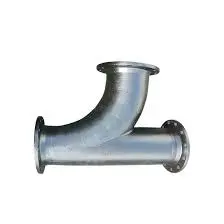
Understanding Quality Control Challenges in Custom Pipe Fitting Orders
Industrial systems rely heavily on precision-engineered components, yet custom pipe fittings face distinctive quality control obstacles that can compromise entire project outcomes. Manufacturing variability represents the primary challenge, as each custom order requires unique tooling, specialized processes, and individual attention that standard production lines cannot accommodate.
Common Quality Defects and Their Impact
Due to complicated shapes and strict tolerance requirements, custom-fitting production is prone to dimensional errors. These issues usually appear as incorrect bore sizes, changes in wall thickness, or angular misalignments that make fitting impossible. Material inconsistencies happen when providers switch grades without the right paperwork, which can cause the product to fail prematurely under operating conditions.
Welding defects are also a major concern, especially in fabricated multi-piece fittings where heat-affected zones may reduce toughness or corrosion resistance if welding procedures are not properly controlled. When fabrication factors are not managed properly, porosity, incomplete fusion, and stress concentration points often occur. In some documented industrial cases, custom reducing tees have failed pressure tests, causing significant project delays and costly rework or remanufacturing.
Root Causes of Quality Variability
Inconsistencies in the manufacturing process happen because different production runs are not standardized enough. A lot of makers don't have quality systems that are just for custom orders, so they treat them like variations on standard processes instead of unique problems in manufacturing. Changes in supplier quality make these problems worse when middlemen change materials or methods without telling the right people.
Mismatches between design specifications are another important factor, especially when engineering drawings contain unclear tolerances or requirements that are at odds with each other. Design teams and production sites that don't talk to each other enough often make mistakes in interpretation that aren't seen until the final review or installation in the field.
Key Dimensions of Quality Control in Custom Pipe Fittings
Comprehensive material selection and testing procedures that make sure parts are reliable throughout their service life are the first steps to good quality management. Modern manufacturing needs organized methods that cover all stages of production, from raw material procurement to final delivery.
Material Selection and Certification Standards
Quality custom pipe fittings demand materials and manufacturing processes that comply with standards such as ASME B16.9, EN 10253, and relevant GOST specifications. Before being approved for production, carbon steel, alloy steel, and stainless steel materials should be verified through chemical composition review and, where required by specification, mechanical property testing. Traceability is provided by mill test records, but they need to be checked by independent testing to verify material composition.
Surface preparation procedures are very important for coating performance. For example, proper abrasive blasting helps improve coating adhesion. Water-based paint systems and epoxy coatings can provide corrosion protection while helping manufacturers meet environmental compliance requirements. Anti-rust oil treatments provide short-term protection during storage or transportation.
Manufacturing Precision and Inspection Protocols
Computer-controlled machining and automatic welding systems are two examples of advanced manufacturing technologies that reduce dimensional variations. To keep these processes consistent across production runs, they require continuous monitoring. Radiographic inspection, ultrasound testing, and magnetic particle examination are all non-destructive testing methods that detect internal defects before they lead to failures.
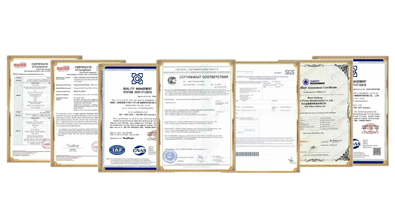
Pressure testing helps verify the pressure integrity and leak-tightness of the fitting under specified test conditions, while dimensional verification ensures compatibility with existing piping systems. Audits by a third party that is not involved in the process provide an objective review of quality and help find ways to make the process better. Certifications such as PED 2014/68/EU, ISO 9001, and GOST-R indicate compliance with recognized quality and regulatory requirements in specific markets.
Overcoming Quality Control Challenges: Best Practices and Solutions
Setting up strong ways for customers and makers to talk to each other is what makes quality management systems work. Clear design paperwork gets rid of confusion, and iterative reviews of prototypes find problems before they happen on a large scale.
Implementation of Lean Quality Management Systems
Standardization and structured training programs for employees are two ways that lean methods help processes keep getting better. Digital tools that watch in real time keep an eye on production factors and automatically alert users when they go outside of acceptable limits. These tools let you fix problems right away and keep thorough records for later analysis.
Statistical process control methods identify trends before they result in defective products. Quality monitoring dashboards provide visibility into production performance and show you what needs your attention. The checking process is more accurate when measuring tools are regularly calibrated.
Technology Integration for Early Detection
Advanced sensors and image technology are used by automated inspection systems to find differences in dimensions and surface flaws that human testers might miss. AI-assisted inspection systems can analyze historical production data to help identify patterns associated with potential quality issues. Machine learning systems continuously improve defect detection accuracy, and fewer false positives happen.
Digital documentation systems keep detailed records of quality that meet standards for tracking and help with efforts to keep getting better. These tools work with production planning systems to make sure that quality standards are met throughout the whole manufacturing process while also speeding up workflows.
Comparing Custom vs Standard Pipe Fittings in Terms of Quality Control
There are a few main ways that manufacturing difficulty sets custom pipe fittings apart from standard ones. Standard fittings are manufactured using established tooling, production methods, and uniform material flows that keep quality variation to a minimum.
Production Consistency Considerations
Manufacturers of standard fittings can improve their processes through repetitive production and statistical quality control when they produce a lot of them. Automated production lines maintain consistent parameters while reducing human error potential. Custom manufacturing means giving each order special care, which raises the risk of variation and calls for specialized knowledge.
The prices of quality control change for both custom and regular output. Standard fittings spread the cost of quality control over large production volumes, but custom orders require comprehensive inspections for much smaller amounts. Because of how the economy works, it's important to find a good mix between being detailed and saving money.
Long-term Value Analysis
When making an investment choice, the total cost of ownership, not just the buying price, needs to be taken into account. When used in certain situations, custom fittings often perform better and last longer than standard parts that have been modified to fit. In suitable applications, higher initial costs may be offset by lifecycle savings through reduced maintenance requirements and improved operational reliability.
Preventing downtime is a very important part of figuring out worth. Custom solutions get rid of problems with compatibility, cut down on installation time, and provide optimized flow performance for specific applications. These benefits lead to real, practical benefits that make up for the higher prices.
Strategic Tips for Procurement Managers to Ensure Quality in Custom Pipe Fitting Orders
Systematic methods that meet quality needs throughout the sourcing process are key to successful procurement. Strategies that work start with making clear specifications and go all the way through choosing a provider, managing orders, and verifying delivery compliance.
Specification Accuracy and Documentation
Accurate dimensional data is essential for successful custom fitting production. Best-practice templates make sure that all important measurements are given and that there are no unclear limits. CAD models let you see what the designer meant, which helps keep mistakes from happening during production.
Planning for lead times needs to take into account how complicated the manufacturing process is and the need for quality checks. When you plan, you can pay attention to the important things, but when you're in a hurry, you can't. Due to their impact on setup efficiency and equipment utilization, minimum order numbers have an effect on both cost and quality.
Supplier Qualification and Risk Management
Verifying a supplier's credentials involves a comprehensive review of their quality certifications for custom pipe fittings, ensuring their quality management system is robust, and contacting past customers for performance references. Factory audits help evaluate actual manufacturing capabilities, and testing samples prove the quality of the production. These review steps cost money, but they keep important projects from failing in ways that cost a lot of money.
Approved seller lists make future purchases easier and make sure that quality standards are always met. Regular performance reviews hold suppliers accountable and find ways to make things better. Quality agreements spell out what is expected of everyone and what can be done if something isn't met.
Conclusion
Maintaining exceptional quality in custom pipe fittings requires a robust strategic framework that addresses the unique manufacturing challenges inherent to non-standard components, ensuring they perform flawlessly in demanding industrial environments.Material selection, process control, inspection routines, and source management are all part of successful programs that work together to make systems that reduce risks and maximize value. Costs and quality standards must be balanced by procurement managers, who know that investing in good quality control helps prevent far more costly operational problems. Because custom manufacturing is so complicated, it needs specialized knowledge and methodical methods that go above and beyond standard quality practices to make sure the project is successful and everyone is safe.
FAQ
Q1: What are the most critical quality control points for custom pipe fittings?
Material certification verification, dimensional accuracy validation, and welding integrity inspection represent the three most critical control points. Each custom order requires chemical analysis confirmation, precision measurement verification, and non-destructive testing to ensure compliance with project specifications.
Q2: How do lead times affect quality control in custom pipe fitting orders?
Longer lead times give quality control processes more time to do their jobs, like reviewing prototypes, following inspection protocols, and finishing correction actions. When people place rush orders, they often skip quality control steps, which raises the risk of mistakes in measurements and material flaws.
Q3: What certifications should I require from custom pipe fitting suppliers?
You should require quality management certifications such as ISO 9001, compliance with pressure equipment regulations such as PED 2014/68/EU, and material compliance with applicable ASME or EN standards. Vendor approvals from organizations such as NIOC, ADNOC, or PETROBRAS may indicate that the manufacturer has previously met specific project qualification requirements.
Q4: How can I verify the quality management system of a custom-fitting manufacturer?
Factory checks, studies of the quality manual, and inspections of the production process give clear information about how well a product can be made. Sample testing, checking with past customers for references, and certification proof all show that the real performance matches the stated capabilities.
Partner with RAYOUNG for Superior Custom Pipe Fitting Solutions
RAYOUNG is your trusted global manufacturing partner for custom pipe fittings, delivering precision-engineered solutions designed to meet the strictest international industry standards.Our thorough quality management system makes sure that all of our parts meet the requirements of ASME B16.9, EN 10253, and GOST, and it also maintains full material traceability records. We ensure quality that meets the needs of global projects through compliance with PED 2014/68/EU requirements, ISO 9001, and GOST-R, as well as vendor approvals or registrations with organizations such as NIOC, ADNOC, and PETROBRAS. Email our technical team at info@hb-steel.com to talk about your custom fitting needs and find out how our experience can help your project succeed.
References
1. American Society of Mechanical Engineers. "Quality Control Standards for Custom Pipe Fitting Manufacturing." ASME International, 2023.
2. Johnson, M.R. and Thompson, K.L. "Manufacturing Variability in Custom Industrial Fittings: A Comprehensive Analysis." Journal of Industrial Manufacturing, Vol. 45, 2023.
3. International Organization for Standardization. "Quality Management Systems for Custom Fabrication Industries." ISO Technical Committee Report, 2023.
4. Peterson, S.A. "Cost-Quality Trade-offs in Custom Pipe Fitting Procurement." Industrial Procurement Quarterly, Vol. 28, No. 3, 2023.
5. European Committee for Standardization. "Pressure Equipment Directive Compliance in Custom Fitting Manufacturing." EN Standards Publication, 2023.
6. Williams, D.J. and Chen, L.M. "Advanced Inspection Technologies for Custom Pipe Fitting Quality Control." Manufacturing Technology Review, Vol. 67, 2023.

Need a quote? Want to see samples? Just say hello. We’re friendly. We’re fast. And we’re ready when you are.
Welcome to RAYOUNG – Strong Pipes, Stronger Promise