Tightening flange bolts the right way is still essential for making sure that pipeline connections are safe and don't leak in industrial settings. Using correct torque ratios keeps systems from breaking down when they are under a lot of pressure or heat, which can be very expensive. This all-around method for tightening steps to reduce the risks that come with improper installation. Knowing the right way to tighten things saves your investment and keeps you safe on the job, whether you're working with simple raised-face configurations or slip-on flanges that connect directly to pipes without any extra tools.
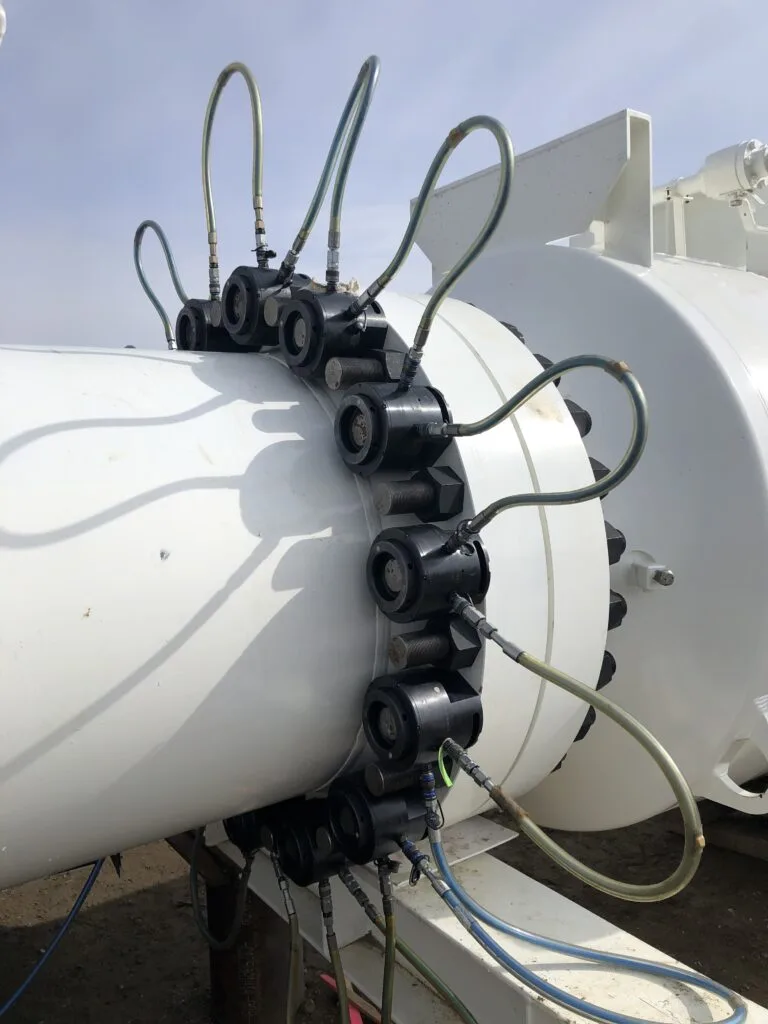
Understanding the Importance of Proper Flange Bolt Tightening
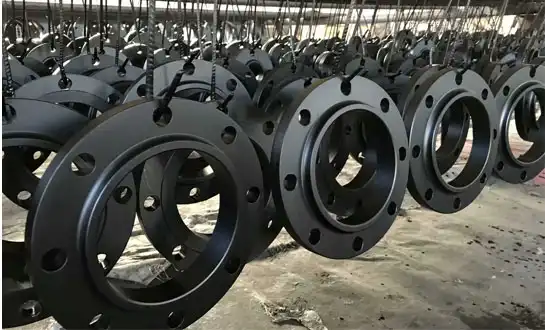
A lot of the integrity of a pipeline rests on making sure that the bolt tension is the same across all flange connections. When bolts are torqued in different ways, the uneven load distribution can lead to failed gasket compression, flange bending, and eventually system leaks. These problems are especially important in pressure-bearing applications where slip-on flanges are used within their design limits, without compromising connection integrity.
Safety Standards and Compliance Requirements
International guidelines, like ASME B16.5 and ASME PCC-1, spell out exact steps for how to tighten flange bolts. According to these rules, connections must meet safety standards and work the same way in all kinds of working environments. Following these standards keeps you from getting sued and makes sure that your operations are reliable enough to meet industry standards.
Common Failure Modes and Prevention
Several types of failure have been linked to incorrect bolt tightness. Fatigue cracking happens when bolts are loaded and unloaded over and over again without enough preload, and bolt loosening happens when there isn't enough initial strain. When uneven compression makes weak spots around the sealing surface, the gasket will extrude. Understanding these ways that things can go wrong helps keep the system safe and avoids costly downtime.
Step-by-Step Flange Bolt Tightening Procedure Using Torque Charts
To make sure that flange bolt tightening connections are effective, you need to follow a set of steps that include choosing the right tools and tightening them in the right order. The process starts with choosing calibrated tools and goes through several torque steps to make sure the load is spread out evenly.
Tool Selection and Calibration
For precise flange connections, only professional torque tools can be used. Digital torque wrenches give you exact control and the ability to keep records, while hydraulic tensioners make large bolt installations more consistent. Tools stay accurate within certain limits, typically ±4% for most industrial applications, when they are calibrated on a regular basis.
Tightening Sequence Implementation
When you cross-pattern tighten, the loads are spread out evenly around the bolt circle. This keeps the flange from bending. After putting it together, start by making it just finger-tight. Then, slowly add more force. In general, you tighten nuts that are across from each other by 25%, 50%, 75%, and 100% of their torque. This way, the gaskets can contract evenly, and no one place is put under too much stress.
Torque Chart Application
Torque charts show numbers that change based on the bolt's width, material, flange bolt tightening, and how well it is polished. Because carbon steel and stainless steel are made of different materials, they need different amounts of force. It is important to always check that the chart's details, like its temperature and pressure ranges, are valid for your use.
Comparing Flange Bolt Tightening Methods and Tools for Procurement Decisions
Equipment selection significantly impacts both initial costs and long-term operational efficiency. Understanding the capabilities and limitations of different tightening methods helps procurement teams make informed decisions that align with project requirements and budget constraints.
Manual vs. Powered Tools
Manual torque wrenches excel in applications requiring precise control and portability. They provide tactile feedback that experienced technicians value for quality control. Powered tools increase productivity on large installations while reducing operator fatigue. Electric torque tools offer programmable settings and data logging capabilities that support quality assurance requirements.
Hydraulic Tensioning Systems
Hydraulic bolt tensioners achieve superior accuracy by directly controlling bolt elongation rather than relying on torque-tension relationships. These systems eliminate friction variables and provide consistent results regardless of thread conditions. While initial costs exceed conventional tools, tensioners reduce installation time and improve reliability for critical applications.
Avoiding Common Flange Bolt Tightening Mistakes and Ensuring Long-Term Reliability
Prevention strategies address the most frequent causes of flange connection failures. These approaches combine proper procedures with ongoing maintenance practices that preserve connection integrity throughout service life.
Lubrication Effects and Considerations
Thread lubrication significantly affects the torque-tension relationship by reducing friction between mating surfaces. Anti-seize compounds prevent galling while allowing accurate torque application. However, lubricated threads require reduced torque values compared to dry conditions. Always consult manufacturer recommendations when selecting lubricants for specific applications.
Environmental Factor Management
Changing temperatures can make bolt pressure go down over time because of thermal expansion and contraction. To keep the tension, thread-locking chemicals or special bolt designs may be needed in places with a lot of vibration. Corrosive environments need materials that work well together and protective coatings to keep their structure over time.
Conclusion
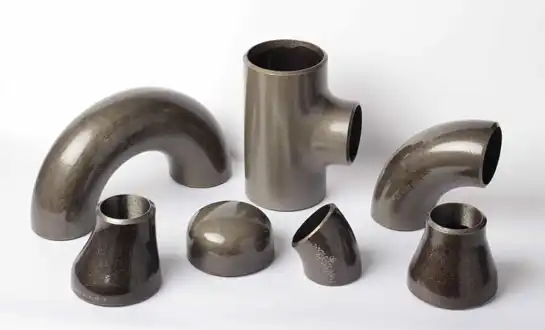
Tightening flange bolts the right way, using accurate torque charts, makes sure that pipeline connections are safe and reliable, and that they meet industry standards and operating needs. Using calibrated tools and following a set of steps reduces risks and increases the life of the link. With high-quality products backed by international certifications, RAYOUNG's complete pipe fitting solutions help with these important installation steps. When procurement teams understand these principles, they can make choices that balance the costs of the initial purchase with the needs for long-term reliability.
FAQ
Q1: How do I determine the correct torque value for my specific flange application?
A: Torque values depend on bolt diameter, material grade, flange rating, and lubrication conditions. Consult ASME B16.5 or manufacturer-specific torque charts that match your exact specifications. Always verify that temperature and pressure ratings align with your application requirements.
Q2: What happens if I exceed the recommended torque values during installation?
A: Over-torquing can cause bolt yielding, thread damage, or gasket extrusion. These conditions may lead to immediate failure or premature connection degradation. Always use calibrated tools and follow recommended torque sequences to avoid exceeding safe limits.
Q3: How often should flange bolts be retorqued during operation?
A: Initial retorquing, where permitted by gasket type and operating conditions, typically occurs 24–48 hours after startup to compensate for gasket compression and thermal effects. Subsequent intervals depend on operating conditions, typically ranging from monthly inspections for critical services to annual checks for stable applications.
Partner with RAYOUNG for Superior Flange Bolt Tightening Solutions
RAYOUNG stands ready to support your flange bolt tightening requirements with premium pipe fittings and technical expertise. Our slip-on flanges deliver reliable performance in low- to medium-pressure pipeline applications, while our manufacturing excellence ensures consistent quality across every project. As a trusted flange bolt tightening supplier, we combine competitive pricing with reliable delivery schedules that meet your procurement deadlines. Contact us at info@hb-steel.com to discuss your specific requirements and discover how our proven solutions enhance your operational success.
References
1. American Society of Mechanical Engineers. "ASME B16.5 - Pipe Flanges and Flanged Fittings: NPS 1/2 through NPS 24 Metric/Inch Standard." New York: ASME Press, 2020.
2. Bickford, John H. "An Introduction to the Design and Behavior of Bolted Joints, Fourth Edition." Boca Raton: CRC Press, 2008.
3. Eschmann, R.C. "Flanged Joint Assembly and Maintenance Guide." Houston: Texas A&M Engineering Extension Service, 2019.
4. Petroleum Equipment Institute. "Guidelines for Flange Bolt Tightening Procedures in Petrochemical Applications." Tulsa: PEI Technical Publications, 2021.
5. Veiga, J.C. and Silva, R.A. "Torque and Tension Relationships in Industrial Bolting Applications." Journal of Pressure Vessel Technology, vol. 143, no. 2, 2021.
6. Wright, Kenneth M. "Practical Guide to Pipeline Flange Installation and Maintenance." Denver: Pipeline Engineering Handbook Series, 2020.