Stainless steel flanges are the most important part of marine piping systems because they make connections that are safe and can handle the harsh marine climate. A stainless steel flange is the best choice for naval projects that need to work reliably in saltwater corrosion, extreme pressure changes, and constant exposure to moisture. Professionals in the marine industry rely on these precision-engineered parts to keep operations safe, keep maintenance costs low, and provide long-term dependability for important tasks on ships, offshore platforms, and coastal infrastructure.
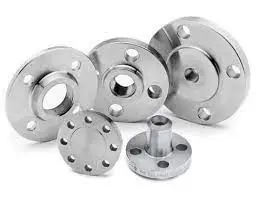
Understanding Stainless Steel Flanges in Marine Applications
Marine environments have special problems that need special flange solutions that can handle the rough circumstances. Stainless steel flanges are very important parts of naval piping systems because they make strong mechanical joints that keep the structure's integrity even when it's under a lot of stress.
Common Flange Types for Marine Applications
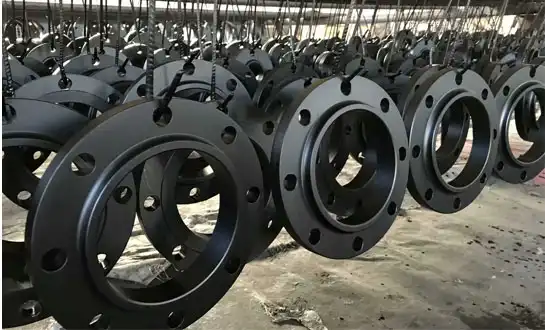
Marine projects can use different flange configurations that are made to meet special operational needs. For high-pressure uses like those in engine rooms and ballast systems, weld neck flanges are the best choice because they are stronger. Slip-on flanges make installation easier in low- to medium-pressure systems where space is limited, which is common in vessel layouts. Blind flanges do a good job of sealing the ends of pipelines, while socket weld flanges can handle links with a smaller diameter in secondary systems.
Material Grades and Specifications
How well a flange works in marine settings depends on which grade of stainless steel it is made of. Adding molybdenum to SS316 and SS316L types makes them more resistant to corrosion from chloride in seawater. For marine uses that aren't too harsh, SS304 grades are a cost-effective option. Our flanges are made to exacting standards set by ASME B16.5, EN 1092-1, and applicable GOST flange standards. This makes sure that the quality and dimensions are always correct for all marine uses.
Comparing Stainless Steel Flanges With Other Materials for Marine Projects
Choosing the right materials has a big effect on the success of a marine project, its operational costs, and its safety results. When procurement teams know the pros and cons of different types of stainless steel flanges, they can make choices that are in line with project needs and budget limits.
Stainless Steel vs Carbon Steel Performance
When used in marine settings, stainless steel flanges are better at resisting corrosion than carbon steel ones. Carbon steel flanges need a lot of work done to their surfaces, like sandblasting and anti-rust coatings. Stainless steel flanges, particularly SS316/316L grades, typically require no additional surface treatment because their chromium-rich passive layer naturally resists saltwater corrosion. This built-in protection means that it doesn't need to be re-coated often, which saves money on long-term care costs.
Design Considerations and Sealing Performance
In marine uses, the way flange faces are configured has a direct effect on how well they seal. When ships are under a lot of dynamic stress, raised face flanges help compress the gasket more and stop leaks better. Flat-face designs work well in some situations where even pressure across bigger sealing surfaces improves system performance. Which of these configurations to use relies on the pressure needs, the pipe material, and the way the system is being used.
Benefits of Using Stainless Steel Pipe Flanges for Marine Projects
Marine projects demand components that deliver exceptional performance across multiple operational parameters. Stainless steel flanges provide comprehensive advantages that address the core concerns of marine industry professionals.
Durability and Longevity in Harsh Environments
Marine environments subject flanges to cyclical stresses, temperature fluctuations, and continuous moisture exposure that challenge component durability. Stainless steel flanges maintain structural integrity through repeated thermal cycling, wave-induced vibrations, and pressure variations that occur during normal vessel operations. This resilience translates into extended service life and reduced replacement frequency, supporting cost-effective project management.
Safety and Compliance Standards
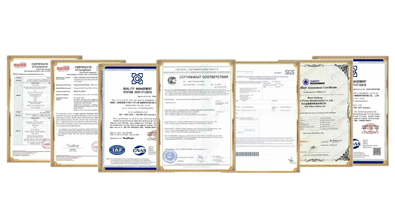
Marine safety regulations require piping components that prevent catastrophic failures and environmental incidents. Our stainless steel flanges carry comprehensive certifications, including CE/PED 2014/68/EU, ISO 9001, and GOST-R compliance, with complete technical documentation supporting regulatory approval processes. Major industry approvals from NIOC, ADNOC, and PETROBRAS validate our products' suitability for critical marine applications.
Installation and Maintenance Advantages
Precise manufacturing tolerances facilitate straightforward installation procedures that help marine projects maintain tight construction schedules. The corrosion resistance of stainless steel flanges reduces maintenance requirements, allowing crews to focus on operational activities rather than component replacement. This reliability proves particularly valuable in offshore applications where maintenance access presents logistical challenges and cost implications.
Procurement Insights: How to Source Stainless Steel Flanges for Marine Projects
Successful marine projects depend on strategic procurement approaches that balance quality, cost, and delivery requirements. Understanding key sourcing considerations enables purchasing teams to secure optimal flange solutions that support project objectives.
Supplier Evaluation and Certification Requirements
Marine flanges must be bought from suppliers who have shown they can make them and have quality control methods in place. Some important certifications are ISO 9001 for quality control, documentation for material traceability, and pressure vessel approvals that make sure the product can be used in marine environments. RAYOUNG keeps a wide range of certifications and quality control methods that meet the strict needs of the marine business.
Custom Manufacturing and Bulk Procurement
Marine projects often need unique flange configurations that can't be found in normal catalogues. Custom manufacturing lets you meet specific size needs, use special materials, and make changes to plans that make the system work better. While keeping strict quality standards, our plant makes custom sizes, such as reducing configurations and large-diameter applications. Large marine projects can save money by using bulk procurement strategies, which take advantage of volume prices and coordinated delivery schedules.

Conclusion
Because they are more resistant to corrosion, last longer, Stainless steel flanges and meet industry standards, stainless steel pipe flanges are the best choice for marine jobs. These parts are necessary for marine uses that need to be reliable for a long time because they are made with high-quality materials, are precisely manufactured, and have been fully certified. RAYOUNG's dedication to quality, ability to customise, and worldwide support make sure that professionals in the marine industry get flange solutions that go above and beyond standards and help projects succeed in a wide range of marine environments.
FAQ
Q1: Which stainless steel grade is best for marine flange applications?
A: SS316 and SS316L grades are recommended for marine applications due to their enhanced corrosion resistance against saltwater. The molybdenum content in these grades provides superior protection against chloride corrosion compared to SS304 grades, making them ideal for direct seawater exposure.
Q2: How do weld neck flanges compare to slip-on flanges for marine use?
A: Weld neck flanges provide superior strength and fatigue resistance for high-pressure marine systems, while slip-on flanges offer easier installation in confined spaces. Weld neck designs are preferred for critical applications where maximum joint integrity is essential.
Q3: Do stainless steel flanges require additional corrosion protection in marine environments?
A: High-grade stainless steel flanges resist saltwater corrosion naturally through their chromium oxide passive layer, eliminating the need for additional protective coatings. This inherent resistance reduces maintenance requirements and long-term operational costs.
Partner with RAYOUNG for Premium Marine Flange Solutions
Ready to secure reliable stainless steel flanges for your marine project? RAYOUNG delivers comprehensive flange solutions backed by rigorous quality standards and global shipping capabilities. Our technical experts provide personalized guidance for selecting optimal flange configurations that meet your specific requirements. Whether you need standard specifications or custom manufacturing, our ISO 9001-certified facility produces marine-grade flanges that ensure project success. Connect with our stainless steel flange supplier team today and discover why marine industry professionals trust RAYOUNG for critical applications. Contact us at info@hb-steel.com for detailed technical support and competitive quotations.
References
1. American Society of Mechanical Engineers. "ASME B16.5 Pipe Flanges and Flanged Fittings: NPS 1/2 through NPS 24." New York: ASME Press, 2020.
2. International Maritime Organization. "Guidelines for Marine Piping Systems Design and Installation." London: IMO Publications, 2019.
3. Society of Naval Architects and Marine Engineers. "Marine Engineering Materials and Corrosion Control." Jersey City: SNAME Technical Publications, 2021.
4. European Committee for Standardization. "EN 1092 Flanges and Their Joints - Circular Flanges for Pipes, Valves, Fittings and Accessories." Brussels: CEN Standards, 2018.
5. Det Norske Veritas. "Recommended Practice for Marine Piping System Design and Installation." Oslo: DNV GL Maritime, 2020.