How to Select the Right Pipe Flange for Corrosive Fluids
To choose the right pipe fitting for corrosive fluids, you need to carefully look at how well the materials work together, how resistant they are to chemicals, and how they work. A properly selected corrosion-resistant flange is critical for preventing hazardous chemicals from escaping the piping system. Some important things to consider when dealing with corrosive fluids are the pH level, operating temperature range, pressure ratings, and specific chemical compositions. By knowing these basic factors, procurement teams can make smart choices that keep systems from breaking down and costing a lot of money. They can also cut down on repair times and make sure that systems will work reliably for a long time in tough industrial settings.
Introduction
One of the most important choices that industrial engineers and procurement managers have to make today is which pipe flange to use for corrosive fluids. If you make the wrong choice, your whole operation could lose a lot of money, the system could fail completely, and you might have to shut down without warning. Corrosion-resistant flanges are the most important part of industrial piping systems because they keep operations safe and efficient and protect against chemical breakdown. These advanced parts are much more than just flanges. They are made with high-tech materials and engineering solutions that enable them to withstand the harshest chemical environments found in modern industrial settings. This detailed guide is designed to help B2B procurement managers, engineers, and OEM decision-makers who have to deal with complicated technical specifications while keeping costs low and meeting compliance standards. The framework presented here is based on decades of experience in the field and tried-and-true selection methods that have helped thousands of industrial projects succeed in a wide range of fields. Knowing the important connection between flange material properties, chemical compatibility, and operational demands helps professionals make smart choices that improve system reliability while still meeting strict industry standards. The organized method described in this guide makes sure that every choice is in line with both short-term project needs and long-term operating goals. This supports long-term industrial operations in environments that are getting harder to work in.
Understanding Corrosion-Resistant Flanges and Their Importance
Corrosion-resistant flanges represent a specialized category of piping components engineered to withstand aggressive chemical environments that would rapidly degrade standard materials. These advanced flanges incorporate sophisticated material science and manufacturing techniques to provide superior protection against various corrosion mechanisms that threaten pipeline integrity.
Material Science Behind Chemical Resistance
Corrosion resistance is achieved through protective barriers that prevent chemical attack on the base material. Carefully picked alloy compositions make this possible. Chloride-containing environments can attack many stainless steels, but 316L offers improved resistance compared with basic grades such as 304. On the other hand, duplex stainless steels are tougher and less likely to break when stressed. It is very good for exotic alloys like Hastelloy and Inconel to work in harsh conditions with acids, caustics, and chemicals that are heated to very high temperatures. To pick the right material, you need to know how the electrical properties of different metals change when mixed with different chemicals. Chrome, which is found in stainless steel, forms a passive oxide layer that fixes itself when it gets damaged. Nickel additions enhance resistance to reducing environments and improve toughness and stability. Molybdenum improves resistance to pitting in chloride environments, making it essential for chemical processing and marine applications.
Common Corrosion Mechanisms and Prevention
In industrial settings, flanges can rust in a number of ways that can weaken the system if they are not treated properly. When different metals join together in the same system, they make electrochemical cells that break down the less desirable material faster. This is known as galvanic corrosion. When material loss occurs at a relatively even rate across a surface, it is referred to as uniform corrosion. On the other hand, pitting, crevice corrosion, or stress corrosion cracking can make dangerous weak spots on a surface. When engineers understand the galvanic series, they can choose the right materials to keep system performance high while lowering these risks.
Impact on System Reliability and Safety
Not having enough corrosion resistance has effects that go beyond simple maintenance issues; they affect whole operational frameworks and safety measures. If a flange fails too soon, it can cause dangerous chemicals to leak out, pollute the environment, corrode the corrosion-resistant flange, and break rules that have big legal and financial consequences. Corrosion-resistant flanges are the reliable base that lets chemical processing plants, marine platforms, and industrial facilities keep running, even when something goes wrong. Downtime costs can be over $10,000 per hour. The money spent on choosing the right flanges usually pays for itself in lower maintenance costs, longer service life, and higher operating safety margins.
Core Criteria for Selecting the Right Corrosion-Resistant Flange
Successful flange selection requires a systematic evaluation approach that considers multiple interconnected factors affecting long-term performance and reliability. The selection process begins with comprehensive fluid analysis and extends through operational parameters to compliance requirements that govern industrial applications.
Chemical Compatibility Assessment
The most important part of choosing a flange is understanding the whole chemical environment. This means doing a thorough study of the main chemicals, any contaminants, and any reaction products that might form during operations. While chemical compatibility charts can help, real-life situations often involve complicated mixes that need to be evaluated by someone with the right training. The pH level has a big effect on the choice of material. For example, alloys need to be made in very acidic environments differently from those in very alkaline environments. Temperature changes make chemicals even more aggressive; high temperatures speed up corrosion and may even change the way rust works completely. When chemical makeup and temperature come together, they cause problems that standard materials can't solve well. The concentration of aggressive chemicals is very important when choosing a material, because many alloys work well in weak solutions but quickly break down when introduced to strong chemicals. Knowing these concentration limits helps engineers choose materials that have the right safety margins for a range of working situations.
Mechanical Design Considerations
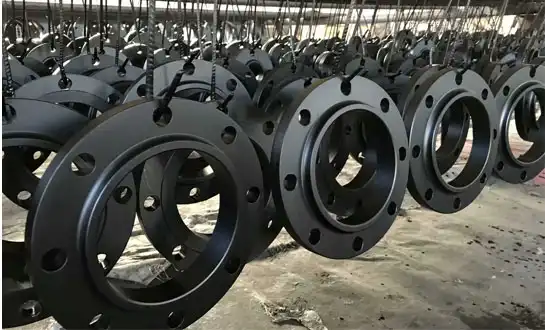
Corrosion-resistant flanges need to be mechanically designed in a way that balances chemical resistance with the need for structural stability so that they can be used safely at certain temperatures and pressures. In corrosive environments, Weld Neck flanges are heavily preferred over threaded options. Weld neck flanges provide a smooth transition and eliminate crevices where corrosive fluids can stagnate, thereby preventing crevice corrosion.Different flange face shapes affect both how well they seal and how resistant they are to corrosion. For example, raised face designs seal well, while ring-type joints work better in high-pressure situations. Welded connections, particularly butt-welded joints, offer superior corrosion protection and structural integrity, eliminating the weak points found in threaded alternatives, though they require installation by skilled professionals. When figuring out pressure rates, you have to think about both mechanical stress and how the material might break down over time. For example, corrosion can make the walls thinner, which can make them less able to hold pressure. Changing temperatures can make things more complicated by causing thermal stress that can speed up some types of rust.
Standards Compliance and Certification Requirements
Following well-known industry standards helps projects succeed by making sure products are reliable, can be tracked, and follow the rules. ASTM standards spell out the kinds of materials that can be used and how they must be tested in order to make sure that the quality and performance of products from different makers and batches are always the same. ANSI flange standards define dimensions, pressure ratings, and testing practices, including size ranges, pressure limits, and qualification procedures to ensure compatibility. API guidelines spell out specific needs for oil and gas uses, where hydrogen sulfide and other harsh chemicals make corrosion a special problem. Documentation for certification provides the quality assurance framework that helps with buying choices and meeting regulatory requirements. Material test reports, chemical analysis certificates, and mechanical property verifications help engineers make sure that the parts they buy meet the performance and project standards.
Comparing Corrosion-Resistant Flanges Against Other Flange Options
Understanding the performance differences between various flange materials and configurations enables informed decision-making that balances initial costs with long-term operational benefits. The comparison process involves evaluating multiple performance criteria that affect both immediate functionality and lifecycle economics.
Material Performance Analysis
Standard carbon steel flanges offer excellent mechanical properties and low initial costs, but provide limited corrosion resistance that restricts their use to non-aggressive environments. Stainless steel flanges bridge the gap between cost and performance, offering moderate corrosion resistance suitable for many industrial applications while maintaining reasonable material costs. High-alloy materials like duplex stainless steels provide enhanced corrosion resistance and superior mechanical properties that justify higher initial costs in demanding applications. These materials excel in environments containing chlorides, hydrogen sulfide, and other aggressive chemicals that rapidly degrade standard materials. Exotic alloys such as Hastelloy, Inconel, and titanium represent the premium tier of corrosion-resistant materials, delivering exceptional performance in the most aggressive chemical environments. While these materials carry significant cost premiums, they often provide the only viable solution for extreme service conditions.
Coating Technology Evaluation
Surface coatings offer an alternative approach to achieving corrosion resistance while utilizing less expensive base materials. Epoxy coatings provide excellent chemical resistance for many applications while significantly reducing material costs compared to solid alloy construction.PTFE linings deliver exceptional chemical resistance across a broad range of chemicals and temperatures, making them suitable for applications involving multiple chemical exposures. However, these coatings require careful handling during installation and may need periodic replacement depending on service conditions. The choice between solid alloy construction and coated materials depends on service life requirements, maintenance capabilities, and economic considerations. Coated materials typically offer lower initial costs but may require more frequent maintenance and replacement compared to solid alloy alternatives.
Economic Impact Assessment
Lifecycle cost analysis provides the framework for comparing different flange options based on the total cost of ownership rather than the initial purchase price alone. This analysis includes material costs, installation expenses, maintenance requirements, and replacement schedules that affect long-term project economics. Reliability considerations play a crucial role in economic evaluation, as unplanned downtime costs often exceed material cost differences by significant margins. High-reliability materials that prevent unexpected failures provide value that extends far beyond simple material cost comparisons. The economic analysis must also consider inventory requirements, lead times, and availability factors that affect project schedules and operational flexibility. Materials with reliable supply chains and reasonable lead times provide operational advantages that support project success.
Procurement and Installation Best Practices for Corrosion-Resistant Flanges
Successful procurement of corrosion-resistant flanges requires a strategic approach that encompasses supplier evaluation, quality assurance, and installation planning. The procurement process begins with identifying qualified suppliers and extends through installation procedures that preserve material integrity and ensure optimal performance.
Supplier Selection and Qualification
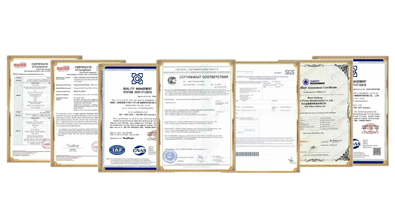
Evaluating potential suppliers involves assessing manufacturing capabilities, quality systems, and technical expertise that support successful project outcomes. Manufacturers with proven OEM capabilities demonstrate the engineering resources and production systems necessary to deliver consistent quality across varying project requirements. Quality certifications provide objective evidence of manufacturing capability and quality system effectiveness. ISO 9001:2015 certification indicates systematic quality management processes, while industry-specific certifications demonstrate specialized expertise in corrosion-resistant materials and applications. Technical support capabilities distinguish superior suppliers by providing engineering assistance during material selection, design review, and troubleshooting activities. Suppliers with strong technical teams can offer valuable guidance that optimizes material selection and prevents costly specification errors.
The following factors represent critical elements in supplier evaluation that directly impact project success:
- Manufacturing facility certifications and quality system documentation that demonstrate consistent production capabilities
- Material testing and analysis capabilities that ensure compliance with specification requirements and industry standards
- Engineering support resources that provide technical assistance during the selection, design, and installation phases
- Supply chain reliability and inventory management systems that support consistent delivery schedules and availability
These qualification criteria help procurement teams identify suppliers capable of delivering reliable products and support services throughout the project lifecycle. Establishing relationships with qualified suppliers before project needs arise enables faster response times and better technical collaboration when critical requirements emerge.
Quality Assurance and Testing Protocols
Comprehensive quality assurance programs ensure that delivered flanges meet specification requirements and performance expectations. Material testing protocols verify the chemical composition, mechanical properties, and corrosion resistance characteristics of the flanges to ensure long-term service performance. Non-destructive testing methods such as ultrasonic inspection and magnetic particle testing identify manufacturing defects that could compromise service reliability. These testing procedures provide quality assurance without damaging the tested components, enabling comprehensive inspection of critical components. Documentation requirements include material test reports, dimensional inspection certificates, and traceability records that support quality verification and regulatory compliance. Proper documentation enables field verification and provides the paper trail necessary for regulatory audits and warranty claims.
Installation and Maintenance Excellence
When you install specialized flange materials the right way, you protect their ability to fight corrosion and make sure they work reliably for a long time. Installation guidelines explain how to handle, prepare, and put together parts in a way that avoids damage and improves sealing performance. Maintenance protocols help keep corrosion resistance high by laying out the right ways to clean, check, and repair parts. By doing regular maintenance, you can find potential problems before they become major failures and extend the life of the system with the right care. Installation and maintenance staff must be trained to understand how to handle corrosion-resistant materials in a special way. Installation mistakes that hurt performance can be avoided with the right training, and the right processes can help maintenance staff keep the material's properties.
Case Studies and Application Scenarios
Real-world applications demonstrate the practical benefits of proper corrosion-resistant flange selection while illustrating the consequences of inadequate material choices. These case studies provide valuable insights into selection criteria, implementation challenges, and performance outcomes that guide future decision-making.
Chemical Processing Industry Success
A big petrochemical plant had problems with its sulfuric acid handling system's flanges breaking down all the time. Standard stainless steel flanges only last 18 months before they need to be replaced. As a result of the harsh chemical environment, high temperatures, and high amounts, normal materials broke down very quickly. To fix the problem, Hastelloy C-276 flanges were upgraded, which were very resistant to the specific chemical environment. Even though the initial cost of the material went up by about 300%, the longer service life of over eight years saved a lot of money when you consider the cost of replacement labor, downtime, and safety improvements. The successful implementation required close attention to installation procedures because the exotic alloy material needed special welding techniques and handling protocols. By teaching maintenance staff the right way to do inspections and repairs, the performance benefits were fully achieved over the life of the service.
Marine Environment Applications
When working on an offshore platform, the problems are very different because the saltwater and chemicals used for processing make the climate very hostile to corrosion. Standard materials break down quickly in these demanding situations, putting both operational efficiency and environmental safety at risk. Duplex stainless steel flanges were the best choice for these situations because they were both resistant to corrosion and had good mechanical properties. The improved strength properties allowed for lighter materials compared to traditional ones, and they also provided better corrosion resistance in the chloride-rich environment. The implementation included thorough corrosion monitoring programs that kept track of performance over time and proved the choice of materials. These monitoring tools gave useful information for choosing materials in the future and showed how choosing the right materials can improve reliability.
Water Treatment Facility Optimization
Chlorine compounds, changing pH levels, and chemical agents used in the treatment process can cause corrosion in municipal water treatment plants. Chemical exposure and government rules about drinking water safety make it hard to choose the right material. The facility used a methodical approach to choose the right material for flanges by looking at the chemicals that were exposed and the service conditions during the treatment process. Based on chemical concentrations and exposure conditions, different parts of the facility needed different grades of materials. The results showed big changes in system reliability and maintenance costs compared to using standard materials everywhere in the facility before. The focused material selection method cut costs while making sure that the materials worked reliably in each application.
Conclusion
To choose the correct pipe fitting for corrosive fluids, corrosion-resistant flange, you need to follow a methodical process that balances chemical compatibility, mechanical needs, and cost factors. Choosing the right corrosion-resistant flanges will save you money on maintenance, make your operations safer, and make them more reliable. To be successful, you need to know everything about the chemical environment, carefully consider your material options, and work with qualified suppliers who offer both high-quality products and technical support. The case studies show that choosing the right materials can turn problematic applications into reliable systems that can run continuously. The framework in this guide helps procurement professionals and engineers make decisions that improve both short-term performance and long-term value, making sure that tough industrial applications are successful.
FAQ
1. What factors determine the corrosion resistance of pipe flanges?
Corrosion resistance depends primarily on material composition, surface finish quality, and the specific chemical environment encountered in service. Alloy elements like chromium, nickel, and molybdenum create protective barriers against chemical attack, while proper surface preparation enhances these protective properties.
2. How do I select the right material grade for my specific application?
Material selection requires a detailed analysis of chemical composition, temperature, pressure, and concentration levels in your specific application. Consulting chemical compatibility charts and working with experienced suppliers helps identify materials that provide adequate resistance with appropriate safety margins.
3. What maintenance intervals are recommended for corrosion-resistant flanges?
Maintenance schedules depend on service conditions and material selection, but typical inspection intervals range from quarterly visual inspections to annual detailed examinations. Aggressive environments may require more frequent monitoring to detect early signs of degradation.
Contact RAYOUNG for Expert Corrosion-Resistant Flange Solutions
RAYOUNG's engineering team stands ready to provide expert consultation on selecting the optimal corrosion-resistant flange manufacturer solutions for your specific operational challenges. Our comprehensive product portfolio and custom manufacturing capabilities ensure reliable performance in the most demanding chemical environments. Contact our specialists at info@hb-steel.com for detailed technical specifications, competitive pricing, and custom manufacturing quotes tailored to your project requirements.
References
1. ASTM A182/A182M. Standard Specification for Forged or Rolled Alloy and Stainless Steel Pipe Flanges, Forged Fittings, and Valves and Parts for High-Temperature Service.
2. ASTM G48. Standard Test Methods for Pitting and Crevice Corrosion Resistance of Stainless Steels and Related Alloys by Use of Ferric Chloride Solution.
3. ASME B16.5. Pipe Flanges and Flanged Fittings: NPS 1/2 Through NPS 24.
4. ASME B31.3. Process Piping.
5. NACE MR0175 / ISO 15156. Petroleum and Natural Gas Industries — Materials for Use in H₂S-Containing Environments in Oil and Gas Production.
6. NACE SP0169 (formerly RP0169). Control of External Corrosion on Underground or Submerged Metallic Piping Systems.

Need a quote? Want to see samples? Just say hello. We’re friendly. We’re fast. And we’re ready when you are.
Welcome to RAYOUNG – Strong Pipes, Stronger Promise