Pipe Flange Selection Guide for HVAC, Oil & Gas, and Water Plants
To make the best pipe flange selection for industrial use, you need to understand the critical performance factors that are important in the HVAC, oil and gas, and water treatment industries. Choosing the right pipe flanges protects the stability of the system, avoids costly downtime, and keeps things in line with industry standards. This complete guide talks about things like material compatibility, pressure ratings, and installation requirements. It's meant to help procurement workers make smart choices that lower project risks and raise operational efficiency and safety.
Understanding Pipe Flanges: Types, Standards, and Materials
Industrial piping systems rely on properly selected flanges to create secure, leak-proof connections that withstand demanding operational conditions. Understanding the fundamental characteristics of different flange types, applicable standards, and material properties enables procurement teams to specify components that deliver reliable long-term performance.
Primary Flange Types and Their Applications
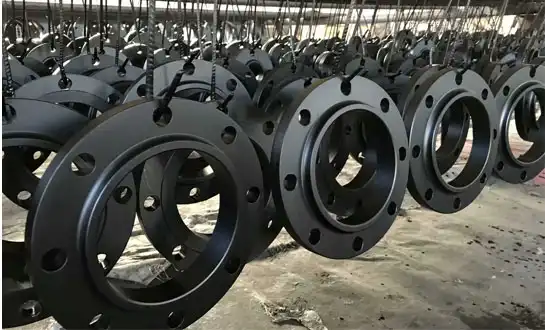
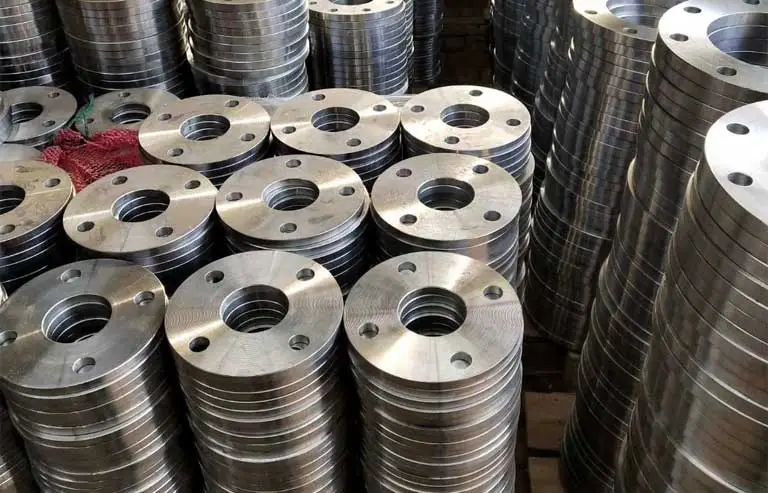
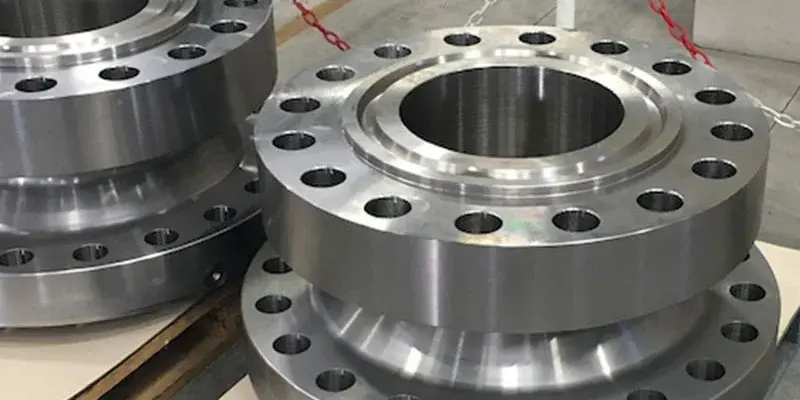
When it comes to high-pressure uses, like in oil and gas setups, weld neck flanges are the best. A weld neck flange spreads stress to the pipes, making the area at the bottom of the flange less stressed. This quality of weld neck flanges makes them good for use in the oil and gas business, where changing temperatures and pressures make working conditions difficult. Slip-on flanges are a cheap way to handle mild pressure because they can be installed more easily than weld neck designs and slide over the ends of pipes. These flanges work well in HVAC systems where the pressure needs to stay pretty steady and where easy fitting is important. Blind flanges are very important for isolating systems and making maintenance entry points. Water treatment plants often use blind flanges to separate parts of the system while they are being cleaned or when new equipment is being installed. This lets parts of the system that aren't affected keep running. Socket weld flanges work well for uses with a smaller diameter and make strong connections for high-pressure service lines. Threaded flanges can be used when welding isn't an option, but they can only be used in certain scenarios because of the pressure they can hold.
International Standards and Compliance Requirements
For North American markets, ASME B16.5 standards set the sizes and pressure ratings for pipe flange selection. These standards set Class 150 through Class 2500 pressure ratings, which are the highest pressures that can be used at certain temperatures. The API standards cover specific oil and gas applications, and the ISO 7005 standards cover projects that occur worldwide. Knowing what the pressure class means helps keep you from over-specificating, which raises costs needlessly, or under-specificating, which puts safety at risk. At room temperature, Class 150 flanges can handle pressures of approximately 285 PSI, which makes them good for many HVAC uses. Class 300 flanges can handle pressures of approximately 740 PSI, which is sufficient for many oil and gas uses.
Material Selection Considerations
Carbon steel flanges are a cheap option for non-corrosive uses because they have good mechanical qualities and can be welded. ASTM A105 carbon steel is used in a wide range of industrial settings, while A350 grades are better suited to the low temperatures found in refrigerator systems. Stainless steel flanges are better at resisting corrosion, which is important for chemical processes and water treatment. Grade 304 stainless steel is good for most water-based uses, while Grade 316 is better for marine settings or harsh chemical exposure because it is more resistant to chloride. Alloy steel flanges can handle the high temperatures and high pressures that are common in oil and gas uses. These materials are very expensive, but they work well enough that the costs are worth it in tough service circumstances.
How to Select the Right Pipe Flange: Criteria and Best Practices
Effective flange selection requires systematic evaluation of operating parameters, installation constraints, and long-term performance requirements. Procurement professionals must balance technical specifications with cost considerations while ensuring compliance with applicable codes and standards.
Operating Pressure and Temperature Analysis
Pressure rating selection demands understanding both steady-state operating pressures and potential surge conditions that may exceed normal parameters. Safety factors typically require selecting flanges rated above the maximum expected operating pressure to account for pressure transients and provide operational margin. Temperature effects significantly impact pressure ratings, with allowable pressures decreasing as temperatures increase. ASME B16.5 provides temperature-pressure tables that guide proper selection based on actual operating conditions, rather than ambient temperature specifications.
Pipeline Compatibility and Dimensional Standards
Matching flange dimensions to pipeline specifications prevents costly field modifications and ensures proper gasket sealing. Inside diameter compatibility affects flow characteristics, while bolt circle dimensions determine assembly feasibility with existing equipment. Standard dimension tables specify critical measurements, including outside diameter, bolt circle diameter, bolt hole quantities, and bolt sizes. Verifying these dimensions against existing pipeline infrastructure prevents specification errors that delay project completion.
Weld Neck versus Slip-On Flange Comparison
Weld neck flanges provide superior stress distribution and fatigue resistance, making them ideal for cycling service conditions. The gradual transition from flange hub to pipe wall reduces stress concentration factors that could lead to cracking in high-cycle applications. Installation complexity represents the primary drawback of weld neck flanges, requiring precise fit-up and skilled welding procedures. However, this investment in proper installation pays dividends through extended service life and reduced maintenance requirements. Slip-on flanges offer installation simplicity and cost advantages for moderate-pressure applications. The double-welded connection provides adequate strength for many HVAC and water system applications while allowing easier field assembly.
Specialty Application Considerations
Chemical processing environments require careful material selection to resist corrosion from process fluids. Compatibility charts help identify suitable materials based on chemical concentration, temperature, and exposure duration. High-temperature oil and gas applications may require stress analysis to verify flange adequacy under thermal expansion loads. Thermal cycling can induce fatigue stresses that exceed static pressure capabilities, necessitating upgraded specifications.HVAC systems often prioritize cost optimization over maximum performance, allowing standard carbon steel flanges for heating water applications while requiring stainless steel for cooling tower services where corrosion resistance becomes critical.
Procurement Insights: Navigating the Global Pipe Flange Market
Global sourcing of pipe flanges offers cost advantages but requires careful supplier qualification to ensure quality and delivery reliability. Successful procurement strategies balance cost optimization with risk mitigation through comprehensive supplier evaluation and quality assurance programs.
Supplier Qualification and Certification Standards
ISO 9001:2015 certification provides fundamental quality system assurance, while ISO 14001 environmental management certification demonstrates supplier commitment to sustainable manufacturing practices. Industry-specific certifications, such as API Q1 for oil and gas applications, add specialized quality requirements. Manufacturing facility audits verify actual production capabilities and quality control implementation. These audits should examine raw material inspection procedures, manufacturing process controls, and final product testing protocols to ensure consistent quality delivery. Testing certifications, including Mill Test Certificates (MTC) and Pressure Test Reports, provide documentation of material properties and dimensional compliance. Third-party inspection services offer independent verification of critical specifications for high-value projects.
Supply Chain Management Strategies
Lead time planning must account for manufacturing schedules, shipping transit times, and potential customs delays for international suppliers. Standard flanges typically ship within 2–6 weeks, while custom specifications may require 8–12 weeks, depending on material availability and manufacturing capacity. Inventory optimization balances carrying costs against stockout risks. Common sizes in standard materials justify maintaining safety stock, while specialty items warrant supplier stocking agreements or consignment arrangements to minimize inventory investment. Quality agreements establish clear specifications, testing requirements, and acceptance criteria before order placement. These agreements prevent disputes and ensure that delivered products meet application requirements without costly field modifications.
Cost-Benefit Analysis Across Materials and Types
Carbon steel flanges provide the lowest initial cost but may require protective coatings or replacement in corrosive environments.Total cost of ownership calculations should include maintenance, replacement, and system downtime costs over the expected service life. Stainless steel flanges command premium pricing but deliver extended service life in corrosive applications. The higher initial investment often proves cost-effective when considering reduced maintenance and replacement costs. Transportation costs vary significantly based on weight, size, and shipping origin. Consolidating orders reduces per-unit shipping costs while potentially accessing volume discounts from suppliers.
Ensuring Long-Term Performance: Installation, Maintenance, and Best Practices
When you install and maintain flanges correctly, you can make them last longer and reduce the chance of leaks and unplanned downtime. When working with high pressure, these steps are especially important because failure can cause safety issues and damage to the environment.
Installation Guidelines and Torque Specifications
Bolt torque requirements make sure that the gasket is compressed evenly and that the seal works well. ASME PCC-1 gives specific torque numbers based on the size of the bolt, its material, and how well it is oiled. The correct torque sequence, often in a star pattern, ensures the seal is not distorted and that stress is evenly distributed. The type of flange face and the working conditions must match the gasket choice.Regarding sealing, flat face flanges require full-face gaskets, while raised face designs utilize flat ring gaskets that sit inside the bolt circle. Ring-Type Joint (RTJ) flanges require metallic ring gaskets specifically engineered to handle high-pressure and high-temperature environments.Surface finish affects how well a seal works. Rougher finishes work with soft gaskets, while smoother finishes work with harder gasket materials. ASME B16.5 lists the surface finishes that are allowed for different types of flanges and uses.
Routine Inspection and Preventive Maintenance
Visual checks should find damage to the flange face, gaskets, or bolts that could compromise the integrity of the seal. How often something needs to be inspected depends on how bad the service is; corrosive surroundings need to be checked more often than benign ones. Ultrasonic testing can detect internal corrosion or wall thinning that a visual check might miss. This non-destructive testing method works especially well for flanges that are used in corrosive environments, where checking the wall thickness stops breakdowns that happen out of the blue. Checking the torque as part of regular maintenance compensates for the effects of thermal cycling and gasket compression set, which can cause a decrease in bolt loading over time. When torquing, you should follow the manufacturer's instructions and think about how the service temperature affects the tightness of the bolts.
Specialized Flange Applications
Blind flanges make it easier to shut down the system for maintenance and give you access to check or clean inside the system. When these flanges are sealed, they have to be able to withstand full system pressure and be able to be taken off during controlled depressurisation processes. For expansion joints and flexible connections, you might need special flange designs that can handle changes in temperature or vibration without affecting the stability of the seal. For these uses, bigger bolt counts or better materials that can handle more stress are often required. As part of emergency replacement processes, important flanges should be identified, and the right number of spares should be kept on hand. In important situations, Quick-connect designs can cut down on repair time, but they may offer lower pressure capability compared with permanent flanged connections.
Conclusion
To make the right pipe flange selection, you need to balance the technical performance needs with the cost concerns while also making sure that the flange will last for a long time and work well in tough industrial settings. Knowing the different kinds of flanges, their properties, and the standards that apply helps you make smart purchasing choices that lower project risks and improve operational performance. When you set up and maintain something the right way, it lasts longer and doesn't break down, which can be expensive and threaten the integrity of the system. RAYOUNG's complete flange solutions and technical know-how help customers succeed by making sure they get high-quality products, quick service, and relationships that work together to meet the specific needs of each project.
FAQ
1. What are the key criteria for selecting flanges in high-pressure oil & gas applications?
High-pressure oil and gas applications require weld neck flanges with appropriate pressure class ratings that exceed the maximum operating pressure by a sufficient safety margin. Material selection must consider hydrogen sulfide exposure, temperature cycling, and potential corrosion mechanisms. ASME B16.5 Class 600 or higher ratings typically apply, with API 6A specifications for wellhead applications. Stress analysis may be required for thermal cycling conditions.
2. How does material selection affect corrosion resistance in water treatment plants?
Water treatment applications demand careful material selection based on water chemistry and treatment chemicals used. Stainless steel Grade 316 provides superior chloride resistance for chlorinated water systems, while Grade 304 suits general potable water applications. Carbon steel flanges require protective coatings in corrosive environments and may prove unsuitable for direct chemical exposure.
3. Can RAYOUNG provide expedited delivery for custom flanges in emergency situations?
RAYOUNG maintains a strategic inventory of common materials and sizes to support expedited manufacturing for urgent requirements. Custom flange production typically requires 8-12 weeks, but emergency situations may accommodate 4-6 week delivery through priority scheduling and expedited shipping arrangements. Contact our technical team at info@hb-steel.com to discuss specific urgent requirements and available options.
Partner with RAYOUNG for Expert Pipe Flange Solutions
RAYOUNG delivers comprehensive pipe flange selection guidance and premium manufacturing quality to support your critical industrial projects. Our technical expertise spans HVAC, oil & gas, and water treatment applications with ISO-certified manufacturing processes that ensure consistent quality and performance. Whether you require standard flanges or custom solutions, our experienced team provides responsive support from specification through delivery. Contact our specialists at info@hb-steel.com to discuss your pipe flange selection requirements and discover how our proven supplier partnership can enhance your project success with reliable, certified components.
References
1. American Society of Mechanical Engineers. ASME B16.5 Pipe Flanges and Flanged Fittings: NPS 1/2 Through NPS 24 Metric/Inch Standard. ASME International, 2020.
2. American Petroleum Institute. API Specification 6A: Specification for Wellhead and Christmas Tree Equipment. 21st Edition, API Publishing Services, 2019.
3. International Organization for Standardization. ISO 7005 Metallic Flanges - Part 1: Steel Flanges. ISO Publications, 2011.
4. Process Industry Practices. PIP PNIF0003: Flange Joint Assembly. Process Industry Practices, 2018.
5. ASME Pressure Technology Codes and Standards Committee. ASME PCC-1 Guidelines for Pressure Boundary Bolted Flange Joint Assembly. ASME International, 2019.
6. National Association of Corrosion Engineers. NACE MR0175/ISO 15156: Petroleum and Natural Gas Industries - Materials for Use in H2S-Containing Environments. NACE International, 2015.

Need a quote? Want to see samples? Just say hello. We’re friendly. We’re fast. And we’re ready when you are.
Welcome to RAYOUNG – Strong Pipes, Stronger Promise