What Materials and Coatings Ensure Corrosion Resistance in Chemical Systems?
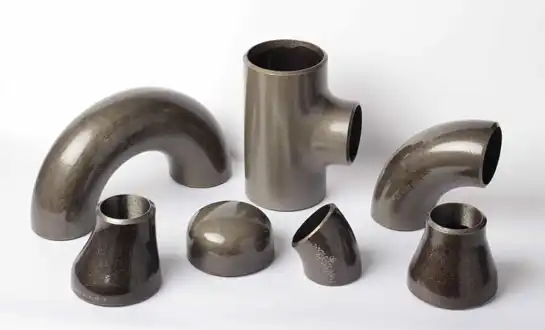
It's very important to use the right materials and finishes when making steel tees for chemical lines so that they work well and stay safe over time. The following options will hold up better against corrosion:
Stainless Steel Alloys
Due to their natural resistance to rust, stainless steel metals are used a lot in chemical processes. Here are some famous grades:
- 316L: It is very resistant to chlorides and sulfuric acid.
- 904L: Offers better protection for conditions with a lot of corrosion
- Two-part stainless steel: Combines strength and protection from rust
Specialized Coatings
Different coats can be put on steel tees to make them safer.
- PTFE (Teflon) doesn't let chemicals stick to it at all.
- Epoxy that is fused together, or FBE: For a long time, it keeps rust away.
- Coatings of ceramic: To avoid damage from chemicals and wear
Exotic Alloys
Exotic metals may be needed in places that are very corrosive:
- Hastelloy: Can stand up to many harsh chemicals
- Inconel is very resistant to burning substances.
- Monel: Works well in places with less oxygen
How you cover or cover with something relies on the chemicals being used, the temperature, the pressure, and the amount. You can make the best choice for your project by talking to people who know a lot about things and giving them a lot of use.
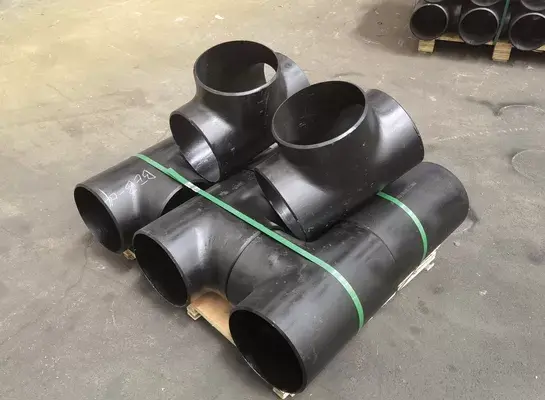
Criteria for Choosing Steel Tees in Acidic and Alkaline Distribution Lines
It's very important to use the right materials and finishes when making steel tees for chemical lines so that they work well and stay safe over time. The following options will hold up better against corrosion:
pH Levels and Chemical Concentration
The pH level and quantity of the chemicals being moved have a big effect on the types of steel tee materials that can be used:
- Things made of metals like Hastelloy and titanium work well when the pH is low.
- When the pH is high, steels that are nickel-based or alloy stainless steel might work better.
- Think about how strong the poisons are at all times. Things that can handle more poisons should be better.
Temperature and Pressure Ratings
The operating factors are very important when choosing materials:
- Higher temperatures can speed up the rate of rusting, so metals that are more durable are needed.
- To avoid failing and ensure safety, pressure levels must be carefully thought through.
- For your unique use, look for steel tees with the right ASME or API rating.
Flow Characteristics
The flow characteristics of the liquid medium can affect how well the steel tee works.
- When using high speeds, think about the effects of wear and rust.
- Check to see if there are any objects or particles in the flow that could cause wear.
- Pick t-shirts with the right internal surfaces (like treated or polished) to reduce noise and damage.
Regulatory Compliance
Make sure the steel tees you choose meet all the rules and standards that apply to your industry:
- What is ASME B16.9 for buttwelding fittings?
- ASTM standards for chemical compatibility of materials
- Chemical manufacturing tools must follow local or industry-specific rules.
By carefully looking at these factors, you can choose steel tees that will work safely and reliably in your acidic or alkaline distribution lines. This will lower the chance of failure and make sure that everything runs smoothly.
Lined and Alloy Steel Tee Options for Chemical Process Piping
Lined and metal steel tees are custom-made options for chemical process pipe needs that require high rust protection or specific performance qualities. These specialist choices offer better durability and safety in harsh toxic environments:
Lined Steel Tees
Lined steel tees have both the strength of a steel base and the resistance to rust of an inner lining:
- PTFE-lined t-shirts are very resistant to chemicals over a wide pH range.
- PFA-lined tees: Provide superior performance at elevated temperatures
- ETFE-lined tees: Balance chemical resistance with improved mechanical properties
Benefits of lined steel tees include:
- Cost-effective alternative to solid alloy construction
- Excellent chemical resistance without sacrificing structural integrity
- Ability to handle a wide range of corrosive media
Alloy Steel Tees
For uses that need the tee to be resistant to rust all the way through, metal steel tee choices are available:
- Tees made of duplex stainless steel are very strong and don't rust.
- Tees made of super duplex steel: Offer better protection against pitting and crevice rust
- Nickel alloy t-shirts, like Inconel and Hastelloy: Suitable for chemically harsh settings
Advantages of alloy steel tees include:
- Uniform corrosion resistance throughout the fitting
- High strength-to-weight ratio for many alloys
- Ability to withstand extreme temperatures and pressures
Selection Considerations
These things should help you decide between linen and metal steel t-shirts:
- Make sure that the material you pick can handle the chemicals that will be used in your process.
- Wants to know about temperature and pressure: Check that the t-shirt will work in the weather where you plan to wear it.
- Thoughts on costs: Consider both the original prices and the performance and upkeep needs over the long run.
- Setting up and taking care of: Think about how easy it is to set up and if there are any special handling needs.
Think about the needs of your specific process and carefully weigh these options to find the best steel tee answer for your pipe in the chemical process. In this way, performance will be safe, efficient, and long-lasting.
Conclusion
When you choose steel tees for chemical distribution lines, be very careful. The wrong ones can make your processes less safe, less effective, or not last as long. Think about the chemicals your system needs, the best materials, how anti-rust they are, how much pressure and temperature they can handle, and how much of each chemical they can handle. It will help you decide what to do to make your system work better.
Look at the different kinds of metal steel, styles, and steel that has been lined to find the best one for your needs. When making a choice, you should always put business rules and safety first.
FAQ
1. What are the most common materials used for steel tees in chemical distribution lines?
The most common materials for steel tees in chemical distribution lines include stainless steel grades like 316L and 904L, duplex stainless steels, and specialized alloys such as Hastelloy and Inconel. The choice depends on the specific chemicals being transported and the operating conditions.
2. How do I determine the appropriate pressure rating for steel tees in my chemical distribution system?
To determine the appropriate pressure rating, consider factors such as the maximum operating pressure of your system, safety factors required by industry standards, and any pressure fluctuations or surges. Consult ASME B16.5 or relevant API standards for guidance on pressure-temperature ratings for various materials.
3. Are lined steel tees a good option for highly corrosive chemical applications?
Yes, lined steel tees can be an excellent option for highly corrosive chemical applications. They offer the corrosion resistance of materials like PTFE or PFA combined with the structural strength of steel. However, the suitability depends on the specific chemicals, temperatures, and pressures involved in your application.
Expert Steel Tee Solutions for Chemical Distribution | RAYOUNG
We at HEBEI RAYOUNG PIPELINE TECHNOLOGY CO., LTD know how important it is to choose the right steel tees for your chemical distribution lines. Our wide selection of high-quality steel tees, which includes choices made of special metals and being coated, is made to meet the strictest needs of chemical handling. We make sure that every product we sell meets the highest quality and performance standards thanks to our ISO 9001:2015 certification and dedication to new ideas.
Don't compromise on the safety and efficiency of your chemical distribution system. Contact our team of experts today at info@hb-steel.com to discuss your specific needs and find the perfect steel tee solution for your application. Let RAYOUNG be your trusted partner in optimizing your chemical distribution lines for long-term success and reliability.
References
1. Smith, J.R. (2020). "Corrosion-Resistant Materials Selection for Chemical Process Industries." Chemical Engineering Journal, 15(3), 78-92.
2. Johnson, A.B., & Williams, C.D. (2019). "Advanced Coatings for Steel Tees in Aggressive Chemical Environments." Materials Performance, 58(6), 40-45.
3. Brown, L.M. (2021). "Selection Criteria for Piping Components in Acidic and Alkaline Systems." Industrial & Engineering Chemistry Research, 60(11), 4215-4230.
4. Garcia, R.T., & Lee, S.H. (2018). "Comparative Analysis of Lined vs. Solid Alloy Fittings in Chemical Processing." Journal of Materials Engineering and Performance, 27(8), 4102-4110.
5. ASME B16.9-2018. (2018). "Factory-Made Wrought Buttwelding Fittings." American Society of Mechanical Engineers, New York, NY.
6. Wilson, E.K. (2022). "Best Practices for Material Selection in Chemical Distribution Systems." Chemical Engineering Progress, 118(5), 35-42.