How to test the pressure rating of welded fittings?
It is very important to test the pressure grade of welding pipe fittings and welded pipe fittings to make sure that plumbing systems are safe and reliable in many different businesses. There are strict steps in this process that are used to make sure that the parts can handle the operating forces without breaking. Testing things the right way helps keep risks to a minimum, meets industry standards, and keeps pipe networks strong. It is important to know how to properly test welded parts and welded pipe fittings whether you are working in industry, on a construction site, or building up infrastructure. When you pressure test welded parts and welded pipe fittings, this full guide will show you the standard test methods, unique techniques, and safety steps you need to take. These steps will help you make sure that you test the quality and performance of your pipe parts and welded pipe fittings in a way that meets the exact needs of your projects.
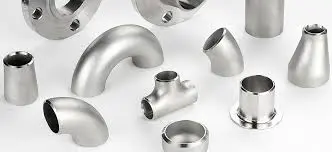
What are the standard test methods for verifying welded pipe fitting pressure?
A number of common tests are used in the business to make sure that pipe parts that have been soldered can handle the pressure. These methods are meant to be like real life and see how well the parts can stay together when they're stressed. Now let's look at the most common ways to test:
Hydrostatic Testing
Most of the time, water pressure tests are used to check the pressure number of welded valves. The opening is full of something that can't be squished down, like water. The pressure is then slowly raised until it hits a certain level, which is usually 1.5 times the planned pressure. After that, the part is put under this much pressure for a while to see if it leaks or changes shape.
Pneumatic Testing
Instead of liquid, compressed air or a harmless gas is used for pneumatic testing of welded pipe fittings. It's not done very often because of safety issues, but it's sometimes needed for systems that can't be filled with water. To lower the risks that come with testing with compressed gas, the test pressure is generally lower than when testing with water. It is usually around 1.1 times the design pressure.
Burst Testing
Burst testing is a damaging way to find out how strong welded parts are in the end. It involves putting more pressure on the fitting until it breaks. This gives useful information about the fitting's highest pressure limit and how it breaks. Usually, model fittings are used for this test instead of fittings that are going to be installed.
Non-Destructive Testing (NDT)
Some NDT methods, like radiography testing, ultrasound testing, and magnetic particle inspection, are not pressure tests by themselves. However, they are often used with pressure tests to check the quality of the welds and find any internal flaws that could make the fitting less resistant to pressure.
There are a lot of different ways to use these basic test methods to see if welded parts can hold force. With a mix of these approaches, engineers and builders can make sure that pipe systems are safe and work well in many cases.
Hydrostatic, pneumatic, and burst tests for welded pipe fittings
We'll talk more about how to test welded pipe joints for hydraulic, gas, and burst forces and what to keep in mind during each one. Each of these is a very important way to make sure that the pipes work well when they are fully pressed.
Hydrostatic Testing Procedure
- To get ready, clean the joint and make sure the test tools are securely attached to it.
- Slowly pour water into the hole, making sure there is no air in it. We want to fill it.
- Slowly raise the pressure until it hits the test level, which is usually 1.5 times the original pressure.
- The test pressure should stay the same for a certain amount of time, almost always 10 minutes.
- When you look at the joint, look for signs that it's about to break, like leaks or bent pieces.
- Low pressure: Let the pressure slowly drop and empty the system.
Pneumatic Testing Considerations
- Safety Tips: Because gases can be squished, extra safety measures with welded pipe fittings need to be taken.
- Pressure Use: Gradually raise the pressure, up to 1.1 times what it was before.
- Find Leaks: To find any gas that is escaping, use soapy water or tools made just for that purpose.
- Watching: Always check the pressure numbers to see if they drop quickly. If they do, it could mean that there are leaks.
Burst Testing Methodology
- Picking Samples: To test, pick samples of the welded parts that are typical of the whole group.
- Setup: Put the fitting in a test box that is made to hold possible pieces and is strengthened.
- Pressurization: Gradually raise the pressure above the maximum capacity until the system breaks.
- Getting the Data: Write down the pressure at failure and watch how it happens.
- Analysis: Check the data against the design requirements and the norms in the business.
Each of these studies tells us something useful about how well and how reliably welded pipe fittings work. Most of the time, hydrostatic testing is a safe and accurate way to check pressure values. Even though it's more dangerous, pneumatic testing is needed in some situations where liquid testing can't be used. Even though it's damaging, burst testing is necessary to find out how strong parts are and how they break.
By using these tests, engineers and manufacturers can be sure that welded pipe fittings meet the strict needs of many industrial settings, like oil and gas pipelines and chemical processing plants. For starters, these tests prove that the pressure numbers are right. They also help make plans better and guarantee good quality in the future.
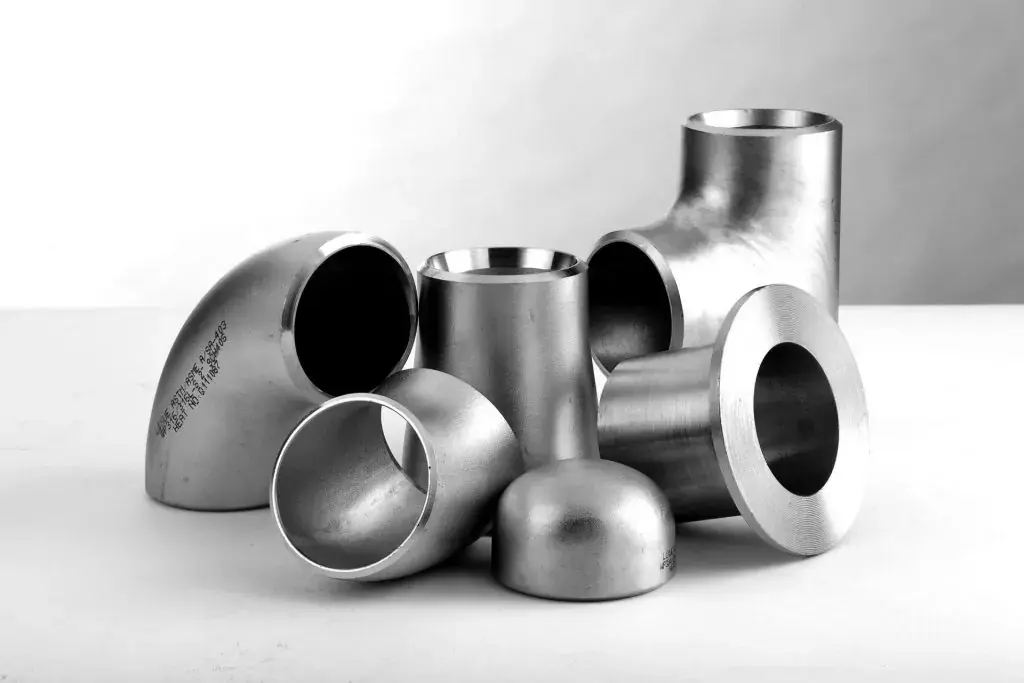
Pressure-test preparation: cleaning, calibration, and safety precautions
You need to make plans ahead of time if you want to safely and correctly measure the pressure of soldering pipe joints. Before you start the pressure tests, make sure these things are clean, checked, and thought about.
Cleaning Procedures
- The fitting's surface could have dirt, grease, or something else on it. Get rid of them by cleaning it or using the right tools.
- Clean the inside because dust and dirt could change the test results or hurt the tools used for the tests.
- After getting wet, make sure the suit is dry before putting it on. For air tests, this is very important because water can change the results.
- Before you do the test, make sure the fitting is clean on the outside. Look for any flaws or damage that might affect how well it works.
Calibration of Testing Equipment
- To be sure that pressure values are correct, you should check them against known standards for welded pipe fittings and, if needed, set them up again.
- Check that the pressure-making parts of the pumps and fans are in good shape and can hit the test levels.
- Check all the links, gaskets, and seals to make sure they are in good shape. If any look old or broken, fix them.
- That's why electronic tracking systems need to have their software settings checked and their monitors set up right before they can be used.
Safety Precautions
- Tools for safety: Make sure that everyone on the job has the right PPE on, like hard hats, safety glasses, and clothes that protect them.
- People who need to be in the testing area during testing and pressurization should be the only ones who can get in.
- Things won't get too squished if you install pressure release valves and make sure they work.
- What to Do: Make sure that everyone on the team knows how to do their job.
- Slowly put more stress on things so that issues can be found fast.
- Checking All the Time: While you're checking, have someone keep an eye on the tools and the pressure levels at all times.
If you carefully follow these steps for getting ready, you can make pressure checks on soldered pipe joints much more accurate and safe. If you clean it right, contaminants and surface flaws won't change the results of the test. Calibration of testing tools is very important for getting accurate data that really shows how much pressure the fitting can handle. Finally, following strict safety rules keeps people and things safe from the possible dangers of high-pressure tests.
Remember that how well you study has a direct effect on how accurate your test results are and how safe the whole testing process is. Taking the time to clean, adjust, and put in place safety measures correctly not only makes sure that you're following industry standards, but it also helps your piping systems work well and last a long time.
Conclusion
There are a lot of places where pipes need to be safe, effective, and work well. To do this, you need to check the pressure grade of the parts that are stuck together. You can find out if the joints in your welded lines can handle pressure with different kinds of tests, such as hydraulic, pneumatic, and burst tests.
When you're out, be sure to follow all safety rules to the letter and plan ahead. The most important parts of a good pressure test are these. You can be sure that the test results are correct and that your staff and tools are safe if you do these things.
HEBEI RAYOUNG PIPELINE TECHNOLOGY CO., LTD. is the only place you need to go for the best welded pipe parts that always meet or beat industry standards.
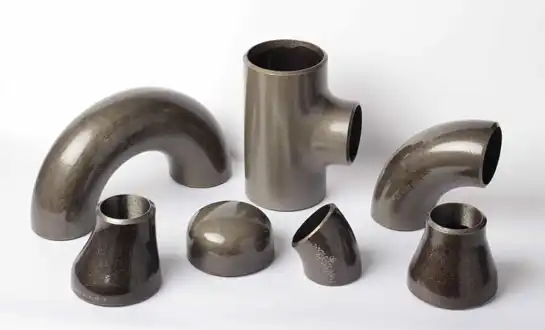
Our wide selection of industrial pipe fittings, such as butt-weld steel elbows, steel reducers, and flanges, are made to make sure that connections are safe and that the pipes work at their best in even the toughest situations.
With GOST-R and SGS approvals, you can be sure that our goods are of high quality and will work well in both local and international markets. We are the best company for your pipe system needs, whether they are for a home, a business, or an industrial facility. This is because we are dedicated to new ideas, consistent quality, and following ISO 9001:2015 standards.
FAQ
1. How often should welded pipe fittings be pressure tested?
The frequency of pressure testing for welded pipe fittings depends on several factors, including the application, industry standards, and regulatory requirements. Generally, new installations should be tested before commissioning, and thereafter, periodic testing may be required based on the system's criticality and operating conditions. For high-pressure or hazardous material systems, annual or biennial testing might be necessary, while less critical systems might require testing every 3-5 years or as specified by industry guidelines.
2. Can I perform pressure tests on welded fittings in situ, or do they need to be removed from the system?
In many cases, pressure tests can be performed on welded fittings in situ, especially for routine inspections or system integrity checks. However, for more comprehensive testing or when higher pressures are required, it may be necessary to isolate sections of the piping system or remove fittings for bench testing. The decision depends on factors such as the test method, system design, accessibility, and safety considerations. Always consult industry standards and engineering best practices for guidance on the most appropriate testing approach for your specific situation.
3. What are the consequences of using welded pipe fittings that have not been properly pressure tested?
Using welded pipe fittings that have not been properly pressure tested can lead to severe consequences, including system failures, leaks, and potentially catastrophic accidents. Untested fittings may have hidden defects or weaknesses that could result in sudden ruptures under operational pressures, leading to equipment damage, production downtime, environmental contamination, and, most critically, risks to personnel safety. Additionally, using untested fittings may violate regulatory requirements and industry standards, potentially resulting in legal liabilities and financial penalties. Proper pressure testing is essential for ensuring the integrity, safety, and reliability of piping systems across all applications.
Expert Welded Pipe Fittings for Every Industrial Need | RAYOUNG
HEBEI RAYOUNG PIPELINE TECHNOLOGY CO., LTD is the company you can trust to help you choose welded pipe parts that meet the best quality and performance standards. Our wide range of goods, such as buttweld steel elbows, reducers, and flanges, are designed to work well in the toughest industrial settings.
You can be sure that every fitting at RAYOUNG has been carefully checked to meet or beat the pressure rating standards set by the industry. Firm tests and quality control are important to the company, so this is the case. New, cutting-edge ways of making things and strict adherence to ISO 9001:2015 rules help us make sure that all of our products are of the same high quality and dependability.
Ra Young has the skills and goods to help you succeed, whether you're working on a big business project, building important infrastructure, or just need a shipping service you can count on. There are experts on our team who can help you choose the best welding pipe fittings for your needs. This will make sure that your plumbing systems work well and last a long time.
Don't leave the integrity of your piping systems to chance. Choose RAYOUNG for welded pipe fittings that have been meticulously tested and proven to perform under pressure. Contact us today at info@hb-steel.com to discuss your project needs and discover how our premium welded fittings can enhance the safety, efficiency, and reliability of your operations.
References
1. American Society of Mechanical Engineers. (2021). ASME B16.9: Factory-Made Wrought Buttwelding Fittings.
2. International Organization for Standardization. (2018). ISO 15649: Petroleum and natural gas industries — Piping.
3. American Petroleum Institute. (2020). API 570: Piping Inspection Code: In-service Inspection, Rating, Repair, and Alteration of Piping Systems.
4. National Board Inspection Code. (2021). NBIC Part 3 — Repairs and Alterations.
5. Occupational Safety and Health Administration. (2019). OSHA Standard 1910.119: Process Safety Management of Highly Hazardous Chemicals.
6. American Welding Society. (2020). AWS D1.1/D1.1M: Structural Welding Code — Steel.

Need a quote? Want to see samples? Just say hello. We’re friendly. We’re fast. And we’re ready when you are.
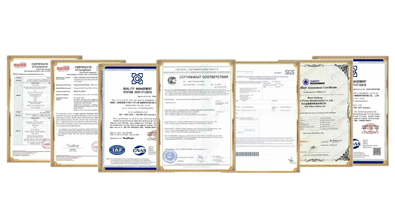
Welcome to RAYOUNG – Strong Pipes, Stronger Promise