How to Connect Stainless Steel Pipe Flanges Without Leaks?
You must carefully install stainless steel pipe flanges, utilize high-quality materials, and follow industry requirements to avoid leaks. A stainless steel flange connection should not leak if you pick the correct flange, use the right gasket materials, tighten the bolts in the right sequence, and prepare the surface. Today's high-pressure applications need CNC-machined sealing surfaces with RF, FF, or RTJ facings that fulfill ANSI, DIN, and JIS requirements for system integrity and operational safety.
Understanding the Challenges of Leak-Free Stainless Steel Flange Connections
Pipeline integrity issues may endanger people, harm the environment, and cost companies a lot of money. Designing and installing stainless steel plate joints requires consideration of their particular issues.
Common Leakage Problems in Flange Joints
Flange leaks are sometimes caused by a failing gasket, which is mainly caused by picking the incorrect material or not compressing it sufficiently. High temperatures may damage gaskets, and chemical interaction can cause material mismatches. Engineers may improve closure solutions by understanding these failure mechanisms.
Untorqued bolts unevenly distribute gasket pressure. Stress in particular regions might induce leak tracks. Tightening too much damages the gasket and flange sides, while tightening too little doesn't shut. Torque requirements must match joint material and usage circumstances.
Incorrect flange alignment during installation may degrade sealing contact and produce tension buildup that can cause system failures. Angular misalignment, parallel shift, and axial movement might make sealing and link reliability difficult.
Root Causes of Connection Failures
Since rough or fractured flange edges can't maintain gasket contact, surface polish affects seal performance. CNC-machined closure surfaces are flatter and more stable than previous cutting processes. This reduces leaks and prolongs life.
Joint pieces made of various materials may not operate properly. Galvanic corrosion, uneven heat expansion, and quicker deterioration may result. Using the same quality of materials across the connection system ensures its appropriateness and long-term performance.
Dimensions beyond the manufacturer's limitations produce gaps and interference that prevent the seal from fitting. Full MTC monitoring ensures that all parts fulfill sizes and material qualities, ensuring system compatibility.
Step-by-Step Guide to Installing Stainless Steel Flanges Without Leaks
Stainless steel flange zero-leak performance requires following proven installation instructions that cover every connection construction stage.
Selecting the Correct Flange Configuration
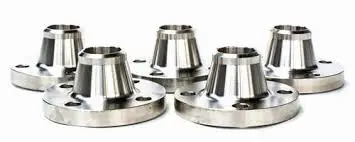
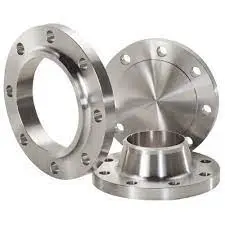
Weld neck flanges are suitable for high-pressure applications because they are strengthened throughout. The curved hub progressively transfers pipe wall stress to the flange face. This reduces localized tension and improves wear resistance. These flanges work well for RF and RTJ faces.
Easy-to-fit slip-on flanges can withstand moderate pressure. Fillet welding produces a strong connection, but carefully follow the welding techniques to minimize warping that might weaken the closing surfaces.
Blind flanges keep items separate during repairs and pressure testing. Their solid construction eliminates flow-throughs and provides good pressure control.
Proper Surface Preparation Techniques
Make sure that the flange face has a decent polish, accurate dimensions, and no faults that might impact seal performance. For raised face purposes, surface roughness should be measured between 125 and 250 microinches.
Cleaning removes debris, grinding residue, and protective coatings that might obstruct gasket closure. Cleaning with a solvent and drying without lint prepares the surface for sealant.
The gasket must be precisely aligned to avoid pinching, breaking, or uneven stress when the bolt is tightened. Centering lines keep gaskets in position throughout construction.
Bolt Tightening Sequences and Torque Application
Calibrated torque tools load bolts accurately to meet gasket stress requirements without exceeding material restrictions. Regular measurement checks maintain torque uniformity.
Sequential tightening patterns distribute gasket stress equally over the sealing surface. The star shape prevents seal movement and lip warping during installation.
Multiple tightening passes steadily create tension, contracting and seating the seal. A finger-tight assembly and mild torque increases prevent the seal from shifting unexpectedly.
Comparison of Stainless Steel Flanges With Other Materials for Leak-Resistant Connections
Material choice affects a link's reliability, care, and lifetime cost in numerous industries.
Performance Characteristics Analysis
Stainless steel flanges prevent rust better than carbon steel ones, particularly in hostile chemical and saltwater environments. Chromium oxide preserves the surface, repairs slight damage, and lasts long.
Carbon steel flanges are inexpensive for non-corrosive usage but must be coated or galvanized to prevent rust. Hot-dip galvanizing protects economic advantages while prolonging service life in acidic environments.
Although alloy steel is stronger in high-pressure and high-temperature settings, it may need specific welding and heat treatment processes, making installation harder.
Application-Specific Material Selection
Due to its slow reaction with acids, bases, and organic solvents, stainless steel outperforms carbon steel. High-quality materials save maintenance and improve performance.
Stainless steel is used for filtered water services because carbon steel rusts faster. Its non-reactive properties prevent contamination and maintain water purity.
Oil and gas firms employ stainless steel flanges in harsh operating situations where hydrogen sulfide would stress-corrode carbon steel components.
Maintenance Practices to Sustain Leak-Free Stainless Steel Flange Connections
To prevent leaks in stainless steel flange connections, proactive maintenance strategies may safeguard their integrity and prevent abrupt failures that might compromise safety and efficiency.
Regular Inspection Protocols
Visual checks should reveal corrosion, worn gaskets, and mechanical issues that might leak. Use determines inspection frequency; severe settings need more regular inspections.
Ultrasonic thickness assessment and magnetic particle inspection may detect hidden faults and material deterioration. These approaches estimate a component's lifespan numerically.
Documentation systems record inspections, maintenance duties, and component replacements for predictive maintenance and legal compliance.
Cleaning and Contamination Management
Cleaning removes dirt, scale, and rust that might harm sealing surfaces or accelerate material degradation. Chemical cleansers must be safe for stainless steel to avoid sensitization and stress corrosion.
Use protective coverings during repairs and store new parts properly to avoid infection. Maintaining cleanliness during reassembly prevents debris from entering and leaking.
Passivation restores stainless steel surface oxide after mechanical cleaning or welding. This procedure makes metal rust-resistant and durable.
Procurement Guide: Sourcing Leak-Proof Stainless Steel Flanges Efficiently
Strategic buying helps you find high-quality items that fulfill project demands while cutting costs and accelerating delivery.
Supplier Evaluation Criteria
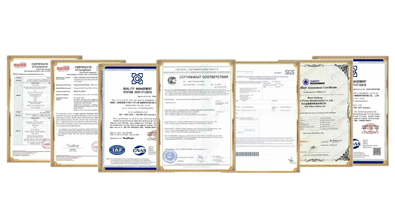
The manufacturing skills evaluation should assess the company's product-making, quality control, and technical expertise to ensure product quality. ISO 9001:2015-certified suppliers follow quality management guidelines.
Product approvals like mill test certificates allow tracking and checking material properties, measurement accuracy, and manufacturing quality. Full MTC documentation aids material testing and legal compliance.
Location affects delivery times, transportation costs, and professional advice. Local providers may react faster and offer reduced shipping prices for urgent requirements.
Quality Assurance Requirements
Following ANSI, DIN, and JIS regulations ensures that parts from diverse suppliers and manufacturing batches operate together. A standard agreement simplifies overseas project coordination and part procurement.
Testing and verification should ensure precise dimensions, material, and surface polish before delivery. Supplier quality initiatives reduce incoming inspections and accelerate project planning.
Custom manufacturing lets you define forms, materials, and combinations for a specific need. Custom solutions that speed up or simplify installation may be worth the additional expense.
Conclusion
Leak-free stainless steel flange plate joints need careful material selection, placement, and maintenance. Success requires understanding why connections fail and applying proven strategies for all failure patterns. Choosing the proper joint, cleaning the surface, tightening bolts in the right sequence, and using excellent sealing materials build reliable connections.
Long-term reliability and cheaper maintenance costs are achieved by buying high-quality parts with CNC-machined surfaces and detailed tracking documentation. Working with professional sources that know the sector and can provide complete technical support is the best method to ensure project success and long-term operations.
FAQ
1. What gasket materials work best with stainless steel flanges?
PTFE gaskets excel in chemical applications due to their universal compatibility and temperature resistance. Spiral wound gaskets with stainless steel windings and PTFE facing provide excellent recovery properties for high-pressure services. Metallic gaskets work well with RTJ groove configurations in extreme conditions.
2. How often should stainless steel flange connections be inspected?
Inspection intervals depend on operating conditions, typically ranging from every 6 months in aggressive environments to annually for standard applications. Critical services may require more frequent monitoring, while mild conditions may allow extended intervals based on historical performance data.
3. What happens if bolts are over-tightened during installation?
Over-tightening can damage gasket materials, distort flange faces, and create stress concentrations that lead to bolt failure. It may also compress gaskets beyond their elastic limit, preventing proper sealing. Following specified torque values and tightening sequences prevents these issues.
4. Can different stainless steel grades be mixed in flange connections?
Mixing different stainless steel grades is generally acceptable as long as galvanic compatibility exists and both materials meet service requirements. However, matching grades throughout the connection provides optimal corrosion resistance and eliminates potential galvanic effects.
RAYOUNG: Your Trusted Stainless Steel Flange Manufacturer
RAYOUNG provides full stainless steel flange solutions that eliminate leakage and fulfill contemporary industrial standards. We manufacture ANSI, DIN, and JIS standard flanges with CNC-machined sealing surfaces for high-pressure applications.
The company's quality promise includes complete MTC traceability for all components. This records all material and manufacturing data. This meticulous approach helps buyers obey the regulations and gain credibility for significant projects.
Hot-dip galvanizing extends stainless steel's life in acidic environments while preserving its mechanical properties, making it the finest choice for difficult work. Protected coatings and corrosion protection make long-term deployments beneficial.
RAYOUNG's expertise aids clients from project planning to implementation. We realize how vital leak-free connections are; therefore, we can help you succeed with even the hardest applications. Email info@hb-steel.com immediately.
References
1. American Society of Mechanical Engineers. "ASME B16.5 Pipe Flanges and Flanged Fittings: NPS 1/2 through NPS 24 Metric/Inch Standard." ASME International, 2020.
2. Bickford, John H. "Gaskets and Gasketed Joints, Second Edition." CRC Press, 2016.
3. American Petroleum Institute. "API 6A Specification for Wellhead and Christmas Tree Equipment." American Petroleum Institute, 2019.
4. Deutsches Institut für Normung. "DIN EN 1092-1 Flanges and their joints—Circular flanges for pipes, valves, fittings, and accessories." Beuth Verlag, 2018.
5. Japanese Industrial Standards Committee. "JIS B 2220 Steel pipe flanges." Japanese Standards Association, 2017.
6. Moss, Dennis R. "Pressure Vessel Design Manual, Fourth Edition." Butterworth-Heinemann, 2013.

Need a quote? Want to see samples? Just say hello. We’re friendly. We’re fast. And we’re ready when you are.
Welcome to RAYOUNG – Strong Pipes, Stronger Promise