Pipe Flange Pressure Ratings Explained for Beginners
In pounds per square inch (PSI) or bar, flange pressure ratings indicate the maximum safe operating pressure at certain temperatures. Understanding these ratings avoids catastrophic breakdowns and maintains industrial system integrity. To ensure safe, dependable operations, engineers must consider operational pressure and temperature while choosing flanges. These ratings reflect ANSI, DIN, and JIS pressure class and material categorization standards. Proper flange pressure ratings affect key pipeline project safety, compliance, and long-term performance.
Understanding the Basics of Flange Pressure Ratings
Industrial specialists use pressure classifications to assure safe operation in many applications. These rating methods help choose flanges depending on operating circumstances and material parameters.
How Pressure Ratings Are Expressed and Classified
Pressure ratings are harmonized across worldwide standards. ANSI ratings employ class numbers like 150, 300, 600, 900, 1500, and 2500 for ambient pressure capabilities. DIN standards employ PN (Pressure Nominal) numbers like PN10, PN16, PN25, PN40, and PN63, but JIS has their own categorization system for Japanese industrial applications.
Pressure class and operating pressure vary with temperature. Class 150 carbon steel flanges can take 285 PSI at ambient temperature but only 230 at 400°F. This temperature derating provides process industry safety at high temperatures.
Material qualities greatly affect pressure capacity. Stainless steel flanges have greater pressure ratings than carbon steel ones at high temperatures owing to strength retention. For harsh service conditions, duplex and super duplex alloys handle pressure well.
Standard Charts and Codes for Different Materials
Flange material pressure-temperature relationships are governed by international standards. ASME B16.5 covers NPS 1/2–24 steel flanges, whereas ASME B16.47 covers large-diameter flanges above 24 inches. Carbon steel, low alloy steel, stainless steel grades, and other specialist materials have accurate pressure ratings in these standards.
Pressure calculation stress values depend on material composition. Carbon steel grades A105 and A350 LF2 are general-purpose, whereas stainless grades 316/316L resist corrosion. Each material grade includes pressure-temperature curves that provide safe working limits.
DIN EN 1092 and JIS B2220 control steel flange requirements in Europe and Japan, respectively. Understanding regional variances is vital for multinational projects where equipment must fulfill local regulations and certification criteria.
Detailed Comparison of Flange Pressure Rating Standards
Global procurement teams face complications because of different international pressure categorization methods. Understanding these variances enables worldwide project specification and regulatory compliance.
ASME and ANSI Rating Systems
Modern industrial applications use ASME and ANSI standards differently despite their similar beginnings. ASME B16.5 oversees most North American flange requirements, updating design methods and material attributes. The standard incorporates safety factors and pressure-temperature ratings for standard materials for dependable operation.
Class names in ASME systems indicate pressure capability at specified temperatures. Class 600 flanges handle 1440 PSI at ambient temperature for carbon steel; however, stainless steel has variable flange pressure ratings owing to material qualities. Standardized curves show these ratings decline with temperature.
ASME requirements were based on ANSI standards. Many vendors still use ANSI nomenclature, although modern procurement uses ASME standards. This dual reference approach might confuse specification; thus, suppliers must be spoken with for appropriate purchase.
Material Impact on Pressure Capacity
Carbon steel flanges are the most popular for ordinary industrial applications because of their affordability and performance. With pressure derating, grade A105 carbon steel works well up to 800°F. For moderate corrosion resistance in water, steam, and hydrocarbon service, these flanges provide great value.
Stainless steel grades 304/304L and 316/316L work well in corrosive conditions and retain strength at high temperatures. Grade 316L Class 300 flanges exceed carbon steel at 600°F with 1000+ PSI capacity. The extra expense pays off in longer service life and lower maintenance.
For harsh service conditions, duplex and super duplex alloys like 2205 and 2507 are strong and corrosion-resistant. These materials perform better in chloride environments, offshore applications, and high-temperature chemical processes while increasing pressure ratings.
Flange Type Variations and Their Pressure Capabilities
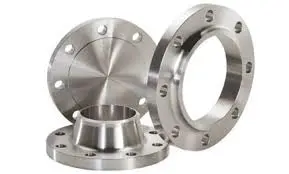
Weld neck flanges offer the highest pressure ratings due to their stronger hub and full penetration weld connection. The tapered hub gradually distributes pipe stress to the flange face, ensuring high-pressure safety. High-pressure applications above 600 PSI need these flanges.
Slide-on flanges are simpler to install but less pressure-capable than weld neck ones. Fillet weld stress concentrations reduce safe operating pressure to lower pressure classes. Their cost-effectiveness and convenience of installation make them excellent for low-pressure applications.
For pressure-limited applications, employ socket weld and threaded flanges. Threaded connections limit service to Class 300 or less due to thread stress concentration; however, socket weld flanges work well for smaller line diameters up to Class 800.
How to Choose the Right Flange Pressure Rating for Your Project?
Operating circumstances, safety standards, and long-term performance objectives must be considered while choosing pressure ratings. Proper selection avoids over-specification and ensures dependable operation with safety margins.
Critical Factors in Rating Selection
Operating pressure is the most apparent aspect, but engineers must consider pressure surge, thermal expansion, and future operating changes. To allow transitory situations and operational flexibility, design pressure is 10-25% higher than usual operating pressure.
Temperature greatly impacts material strength and pressure ratings. Pressure-temperature curves must be carefully examined in high-temperature applications to assure flange capacity across the working range. Steam service, thermal cycling, and process temperature affect flange selection.
Fluid compatibility affects material and pressure rating. Corrosive fluids may need updated materials that impact pressure capacity, while hydrogen service requires unique material qualities and flange pressure ratings owing to embrittlement.
Comparing High-Temperature vs High-Pressure Service
Material qualities that preserve strength at high temperatures are prioritized. Despite greater material costs, stainless steel and chrome-moly alloys perform better than carbon steel at high temperatures. Working pressure at operational temperatures depends on temperature derating curves.
Flanges that distribute stress are important in high-pressure service. For pressures above 1000 PSI, raised face or RTJ weld neck flanges distribute stress optimally. Ring-type joint facings seal better than Class 900 for heavy pressure applications.
High-pressure/high-temperature service is the hardest to specify. This application requires premium materials, specific facing designs, and rigorous thermal expansion considerations on flange stress distribution.
Procurement Considerations for Cost and Compliance
Cost optimization balances flange investment against operating costs. Over-specification raises upfront costs but allows process adjustments. Under-specification concerns safety and incurs replacement expenses beyond initial savings.
Certification requirements vary by industry and area. Pressure vessel rules, pipeline restrictions, and industry standards affect flange selection and documentation. Early awareness of these constraints minimizes expensive redesign and project delays.
Lead time affects conventional and custom flange purchases. Exotic materials and unusual facings may take longer to manufacture than standard ANSI ratings. Project delays and emergency sourcing are avoided by planning procurement schedules around these considerations.
Practical Guide to Procuring Flanges With Appropriate Pressure Ratings
Successful flange procurement requires technical expertise, supplier assessment, and quality assurance. Modern industrial initiatives need trusted partners that understand technical and commercial needs.
Selecting Verified Suppliers for Reliable Performance
Supplier certification starts with production and quality assessments. ISO 9001:2015 certification shows quality management commitment, whereas ASME certification allows pressure vessel code compliance. These certifications ensure suppliers can satisfy technical requirements.
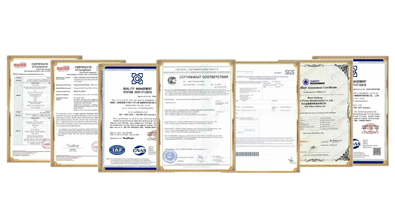
For export compliance, RAYOUNG has thorough quality processes and international certifications, including GOST-R and SGS. Our factories make ANSI, DIN, and JIS standard flanges with CNC-machined sealing surfaces for exact dimensions and excellent sealing. Critical material verification applications have comprehensive documentation with full Material Test Certificate (MTC) traceability.
Production capacity and inventory management affect delivery dependability and urgent response. Broad product ranges and flexible production allow suppliers to meet standard and special needs quickly.
Understanding Certification Requirements
Flanges for international projects must fulfill regional norms and testing. European markets need DIN or EN standards, whereas North American projects require ASME or API. JIS-compliant industrial applications need special testing and documentation.
According to standards, material certifications involve chemical analysis, mechanical property testing, and dimensional verification. Mill test certifications are vital for quality and material traceability. Critical service applications may need PMI testing.
Finish requirements greatly affect sealing and pressure capacity. Flanges with raised faces (RF) seal most applications, whereas those with flat faces (FF) fulfill specialized equipment connections. For high-pressure applications over Class 900, ring-type joint (RTJ) facings seal well with tight machining tolerances.
Customization Options and Technical Support
Most industrial applications use conventional flange diameters, although customized materials, pressure ratings, and facing configurations may be needed. Custom flanges optimize performance for unique applications but need extensive technical requirements and longer fabrication times.
Hot-dip galvanizing protects marine and outdoor systems against corrosion. This protective coating outlasts mill finish, making it ideal for infrastructure projects that need long-term durability and low maintenance.
Technical help throughout procurement assures specification and application advice. Experienced vendors help engineers choose materials, verify pressure ratings, and propose installations. This help is crucial for large projects needing stakeholder and technical cooperation.
Conclusion
Understanding flange pressure ratings helps industrial procurement choices balance safety, performance, and cost. Correct rating selection eliminates catastrophic failures and optimizes project costs via specification levels. Safe flange selection in varied working settings depends on pressure, temperature, and material qualities.
International standards are trustworthy for specifying flanges worldwide; however, regional variances must be considered during procurement. Supplier experience is essential for material selection, which affects pressure capacity and long-term performance. Quality certifications, technical assistance, and proven production identify trusted providers in competitive sectors.
Frequently Asked Questions
1. What is the difference between ANSI and ASME flange standards?
ASME B16.5 represents the current active standard governing steel flange specifications in North America, while ANSI previously provided similar guidance. Modern procurement should reference ASME standards, though many suppliers still use ANSI terminology interchangeably.
2. How does temperature affect flange pressure ratings?
Higher temperatures reduce allowable working pressure due to decreased material strength. Each material has specific pressure-temperature curves that define safe operating limits. Carbon steel flanges experience significant derating above 400°F, while stainless steel grades maintain higher capacity at elevated temperatures.
3. What documentation is required for flange procurement?
Essential documentation includes material test certificates, dimensional inspection reports, and compliance certificates for applicable standards. Critical applications may require additional testing, such as positive material identification, non-destructive examination, or witness testing by third-party inspectors.
4. Which facing type provides the best sealing performance?
Ring-type joint (RTJ) facings offer superior sealing for high-pressure applications above 900 PSI, while raised face (RF) configurations serve most general applications effectively. Facing selection depends on operating pressure, sealing requirements, and gasket compatibility considerations.
Partner with RAYOUNG for Premium Flange Pressure Rating Solutions
RAYOUNG manufactures precision-engineered flanges for industrial applications globally with the highest pressure ratings. We provide ANSI, DIN, and JIS standard flanges with CNC-machined sealing surfaces with MTC traceability for quality. As a renowned flange pressure ratings manufacturer, we provide RF, FF, and RTJ facings for Class 2500 high-pressure applications. Our technical staff at info@hb-steel.com provides experienced advice and tailored solutions to guarantee project success.
References
1. American Society of Mechanical Engineers. "ASME B16.5 Pipe Flanges and Flanged Fittings: NPS 1/2 Through NPS 24 Metric/Inch Standard." ASME International, 2020.
2. Deutsches Institut für Normung. "DIN EN 1092-1 Flanges and Their Joints—Circular Flanges for Pipes, Valves, Fittings, and Accessories." DIN Standards Committee, 2018.
3. Japanese Standards Association. "JIS B 2220 Steel Pipe Flanges." Japanese Industrial Standards Committee, 2019.
4. Pressure Vessel Handbook Editorial Board. "Pressure Vessel Design Manual: Illustrated Procedures for Solving Major Pressure Vessel Design Problems." Gulf Professional Publishing, 2021.
5. American Petroleum Institute. "API 6A Specification for Wellhead and Christmas Tree Equipment." API Publishing Services, 2020.
6. International Organization for Standardization. "ISO 7005-1 Metallic Flanges—Steel Flanges for Industrial and General Service Applications." ISO Central Secretariat, 2019.

Need a quote? Want to see samples? Just say hello. We’re friendly. We’re fast. And we’re ready when you are.
Welcome to RAYOUNG – Strong Pipes, Stronger Promise