Best Flange Types for Chemical-Resistant Pipeline Systems
Industrial chemical-resistant flanges are the finest pipeline connectors for corrosion. To withstand severe chemicals and maintain system integrity, these specialist components include PTFE, PVDF, and stainless steel alloys and careful engineering. Understanding each flange type's advantages helps procurement specialists choose wisely to save downtime and maintenance costs and comply with demanding chemical processing, pharmaceutical, and manufacturing sector standards.
Introduction
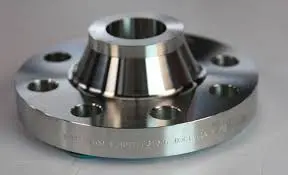
Chemically aggressive settings need chemical-resistant pipeline flanges. These specialized parts prevent corrosion, chemical deterioration, and costly system breakdowns that risk life. Chemical-resistant flanges influence worldwide B2B procurement managers, engineers, distributors, and OEM customers' project performance and long-term efficiency.
Modern chemical-resistant flanges are tougher and engineered to withstand acids and caustics. The sturdy structure avoids leaks, maintains pressure integrity, and extends system life, unlike regular flanges. Select and implement these components to reduce industrial application TCO and assure regulatory compliance.
These specialized flanges provide chemical, pharmaceutical, and industrial safety and efficiency. Understanding abilities, material properties, and applications helps buyers meet project goals and budgets.
Understanding Chemical-Resistant Flanges: Materials, Functions, and Standards
Material Selection and Properties
Chemical-resistant flanges employ corrosion-resistant materials. The chemical inertness and thermal stability of PTFE make it ideal for handling strong acids and oxidizers. High-pressure solvent applications suit PVDF (polyvinylidene fluoride), which is robust and chemically compatible.
Under severe conditions, 316L and duplex stainless steel alloys resist corrosion and maintain structural integrity. These materials are extensively evaluated for target chemical and operating parameter compatibility. Advanced composites provide several layers of protection in tough environments where single-material solutions struggle.
Material certification and traceability are major procurement issues. Material test certificates (MTC) from quality manufacturers specify chemical composition, mechanical properties, and performance. This documentation ensures project specifications, regulatory compliance, and quality.
Functional Requirements and Performance Standards
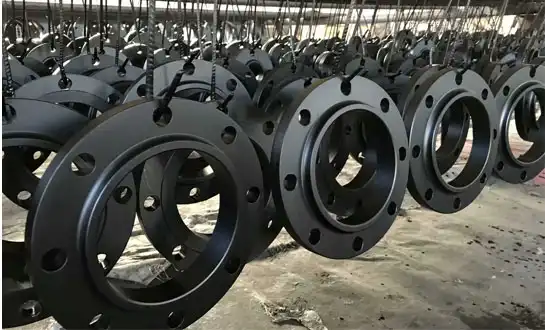
Chemical-resistant flanges must seal and resist chemicals. These components feature precision-machined sealing surfaces for RF, FF, and RTJ facings. All facings fulfill application and pressure demands.
ASME, ASTM, DIN, and ISO standards define chemical-resistant flange performance and design. ANSI B16.5 and DIN EN 1092 provide global dimensions, pressure ratings, material compatibility, and safety criteria. These standards simplify procurement with performance and quality goals.
Design Considerations and Engineering Standards
Flange optimization balances chemical resistance, mechanical strength, and cost. Precision dimensional control and surface polish make CNC-machined sealing surfaces reliable. Humid or marine flanges benefit from hot-dip galvanizing.
Modern manufacture uses better quality control. Full MTC traceability systems record material origins, processing parameters, and testing results for quality verification. Over large deployments, these quality assurance methodologies decrease project risks and ensure product functionality.
Comparing Chemical-Resistant Flange Types: Making Informed Choices
PTFE-Lined Flanges: Superior Chemical Compatibility
Chemically compatible and high-purity applications benefit from PTFE-lined flanges. The fluoropolymer liner meets FDA pharmaceutical criteria and resists acids, bases, and organic solvents. Flanges operate effectively from -200°C to 260°C for varied process conditions.
Exact handling and gasket selection prevent liner damage and maintain sealing. PTFE-lined flanges perform better with severe chemicals but cost more. Longer service life and reduced maintenance costs justify initial investment expenses by lowering ownership costs.
PVDF-Lined Solutions: Mechanical Strength and Versatility
Due to their chemical resistance and mechanical properties, PVDF-lined flanges are suited for high-pressure chemical applications. The thermoplastic liner outperforms PTFE in impact loads and most acids, chlorinated compounds, and aromatic hydrocarbons.
These flanges can endure 150 psi at ambient temperature, surpassing PTFE. PVDF material properties are stable throughout temperature cycles, reducing stress-related failures and extending usefulness. Manufacturers carefully bind the liner and metal backing to prevent heat cycle delamination.
Rubber-Lined Options: Cost-Effective Protection
Rubber-lined flanges give chemical resistance for dilute acids, alkaline solutions, and organic compounds. Chemical compatibility and temperature resistance vary between EPDM, natural rubber, and specialist synthetic compounds. These solutions work well in some applications and are cheaper than fluoropolymers.
Selection should include chemical compatibility tables and temperature restrictions. Incompatible compounds or high temperatures may inflate, deteriorate, or harden rubber. Reliable material selection reduces procurement costs for budget-sensitive projects.
Procurement Insights: How to Buy and Source Chemical-Resistant Flanges Efficiently
Supplier Evaluation and Quality Assessment
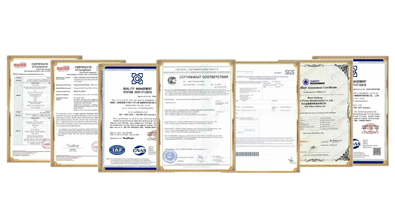
Suppliers of chemical-resistant flanges must have good manufacturing, quality, and delivery capabilities. GOST-R and SGS validation demonstrate export compliance with international quality standards, while ISO 9001:2015 certification certifies quality management systems.
Evaluation of suppliers should include technical support, customization, and after-sales. Manufacturers with technical documentation, material compatibility standards, and installation support provide value beyond product delivery. These services help determine flanges for complex chemical applications or pipelines.
Audits of production facilities and customer references show supplier reliability and product quality. Established suppliers use thorough inventory management and flexible production scheduling for urgent projects and volume fluctuations.
Pricing Models and Cost Optimization
Material costs, manufacturing complexity, and order quantities dictate chemical-resistant flange prices. Chemical resistance and durability explain the higher cost of PTFE and PVDF over rubber. Standard flanges are cheaper and faster than custom ones.
Volume purchases reduce unit costs and secure project completion inventory. Suppliers may provide tiered pricing for large purchases with considerable savings. Long-term supply agreements maintain prices and priorities throughout market fluctuations and shortages.
Time management is needed to organize procurement around project milestones. Custom setups may take longer than days or weeks for standard flanges. Early supplier participation and accurate demand projections decrease delivery delays and project costs.
Strategic Sourcing Best Practices
Successful sourcing balances cost, quality, and delivery while minimizing supply chain risks. Dual sourcing provides backup options and reasonable pricing via supplier competition. Regional vendors' shipping rates and timings may assist domestic projects.
Technical specifications should include material, dimensional, and performance criteria for supplier compliance. Detailed specifications reduce procurement risks and allow good supplier quotation comparisons. For changing project demands and industry norms, specifications are revised regularly.
Installation and Maintenance: Ensuring Long-Term Performance of Chemical-Resistant Flanges
Proper Installation Techniques
Installation of chemical-resistant flanges involves handling, gasket choice, and bolt torque. Protect the liner during shipping and installation by handling PTFE- and PVDF-lined flanges gently. Installation and performance are improved by protective packing and lifting.
Reliable sealing needs gasket compatibility. Chemical resistance charts help choose process fluids and gaskets. Even with chemically resistant flanges, poor gasket selection may threaten system integrity.
Bolt torque corresponds to homogeneous sealing pressure without flange overstress. Calibrated tools and torque sequences safeguard gaskets and liners. Installer papers should provide torque and maintenance instructions.
Maintenance Protocols and Inspection Procedures
Standard maintenance prolongs chemical-resistant flange life and avoids system failure. Visual checks find mechanical, chemical, and gasket problems. Detecting leaks early facilitates replacement.
New compounds and process conditions must be checked for chemical compatibility. Material safety data sheets are reviewed regularly to guarantee flange compatibility. Documentation systems predict performance and replacement needs using inspection and maintenance data.
Regular pressure and leak testing stops leaks. Advanced monitoring systems monitor critical connections to remedy faults promptly. These devices help in hazardous chemical applications where leaks pose safety or environmental issues.
Troubleshooting Common Issues
Metal corrosion, discoloration, and softening are chemical degradation symptoms. These indicators imply chemical incompatibility or operating conditions exceeding material limits. Fixing problems immediately avoids damage and system failure.
Vibration, temperature cycling, and improper installation cause mechanical stress failures. Normal bolt tension and flange alignment checks catch problems before they cause damage. Extension joints and support systems limit stress concentrations that cause premature failures.
RAYOUNG's Expertise in Chemical-Resistant Flanges
Advanced Manufacturing Capabilities
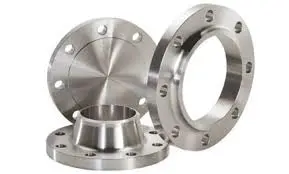
Chemical-resistant flanges for demanding applications are made by RAYOUNG using cutting-edge manufacturing technology and decades of industrial pipe fitting knowledge. Our extensive variety of ANSI, DIN, and JIS flanges includes high-pressure chemical processing RF, FF, and RTJ facings.
Our production facilities use CNC-machined sealing surfaces for accurate dimensioning and excellent sealing. This sophisticated machining improves gasket sealing and service life with uniform surface finishes. To ensure application quality, MTC traceability systems follow manufacturing from source material certification to final inspection.
In harsh settings, hot-dip galvanizing helps flanges. The coating preserves surface quality, dimensions, and component life. The ISO 9001:2015-certified quality management system assures product quality and regulatory compliance throughout manufacture.
Technical Support and Customization Services
During procurement and installation, our experts assist customers in picking the best chemical flange designs. We optimize material selection and design utilizing chemical compatibility databases and application experience. Some procedures or difficult operations need this skill.
Custom sizes, materials, and facings are available. Our technical staff helps customers find affordable, industry-standard solutions for projects. Rapid prototyping verifies designs before manufacturing.
Our SGS and GOST-R certifications prove export compliance and worldwide quality. This certification facilitates worldwide project participation and product acceptability across regulatory regimes. We ensure quality in chemical, pharmaceutical, and industrial production.
Conclusion
Chemical-resistant flanges protect pipelines in harsh environments. System performance, safety, and running costs depend on material, supplier, and installation. By understanding PTFE, PVDF, and rubber-lined alternatives, procurement decisions may enhance project performance and ownership costs. Technical assistance, shipping, and manufacture from top suppliers provide value beyond product supply.
FAQ
1. What factors determine the best chemical-resistant flange material for my application?
Materials are chosen based on chemicals, operating temperature and pressure, and service life. PTFE has the most chemical compatibility but temperature and pressure limits. PVDF has exceptional chemical resistance and mechanical strength for high-pressure applications. Rubber-lined solutions cover less harsh chemicals cheaply. Using chemical compatibility tables and knowledgeable vendors guarantees optimum material selection for your operating circumstances.
2. How do lead times vary between standard and custom chemical-resistant flanges?
Standard-size chemical-resistant flanges ship in 2-4 weeks, depending on material and inventory. Custom setups take 6-12 weeks to manufacture after order confirmation. PTFE- and PVDF-lined flanges have longer lead times than rubber-lined ones owing to specialized manufacturing. Plan procurement plans around these lead times to avoid project delays and assure prompt installation.
3. Can chemical-resistant flanges be retrofitted into existing pipeline systems?
Most chemical-resistant flanges may be retrofitted if dimensionally compatible. ANSI, DIN, and JIS flanges are dimensionally interchangeable with similar-sized conventional flanges. Retrofit checks include bolt hole designs, pressure ratings, and facing compatibility. System integrity and safety are maintained by professional examination of fit and performance.
Partner with RAYOUNG for Reliable Chemical-Resistant Flange Solutions
For chemical-resistant pipeline systems, RAYOUNG offers high-quality international flanges. Our expert technical team provides customized flange selection for chemical applications and operations. Our sales specialists at info@hb-steel.com may discuss your project needs and give detailed chemical-resistant flanges quotations. Our wide range, cheap prices, and reliable delivery dates keep projects on track and within budget.
References
1. American Society of Mechanical Engineers, "ASME B16.5 Pipe Flanges and Flanged Fittings: NPS 1/2 through NPS 24 Metric/Inch Standard," ASME International, 2020.
2. ASTM International, "ASTM F1545 Standard Specification for Plastic Lined Ferrous Metal Fittings," Annual Book of ASTM Standards, 2019.
3. Deutsches Institut für Normung, "DIN EN 1092-1 Flanges and their joints - Circular flanges for pipes, valves, fittings and accessories," Beuth Verlag, 2018.
4. National Association of Corrosion Engineers, "NACE SP0304 Design, Installation, and Operation of Thermoplastic Lined Steel Piping," NACE International, 2017.
5. International Organization for Standardization, "ISO 15156 Petroleum and natural gas industries—Materials for use in H₂S-containing environments," ISO Publications, 2020.
6. Chemical Processing Magazine, "Guidelines for Selecting Chemical-Resistant Piping Materials," Industrial Media Publications, 2021.

Need a quote? Want to see samples? Just say hello. We’re friendly. We’re fast. And we’re ready when you are.
Welcome to RAYOUNG – Strong Pipes, Stronger Promise