To make a good flange connection that won't leak over time, you need to pay close attention to the details, make sure the parts are lined up correctly, and use the right materials. In many industrial settings, from chemical processing to oil and gas plants, effective pipe systems depend on a secure flanged connection. The success of installing a pipeline relies on using the right construction methods, choosing the right gaskets, and following the torque requirements that keep the seals intact at the right temperatures and pressures for the job.
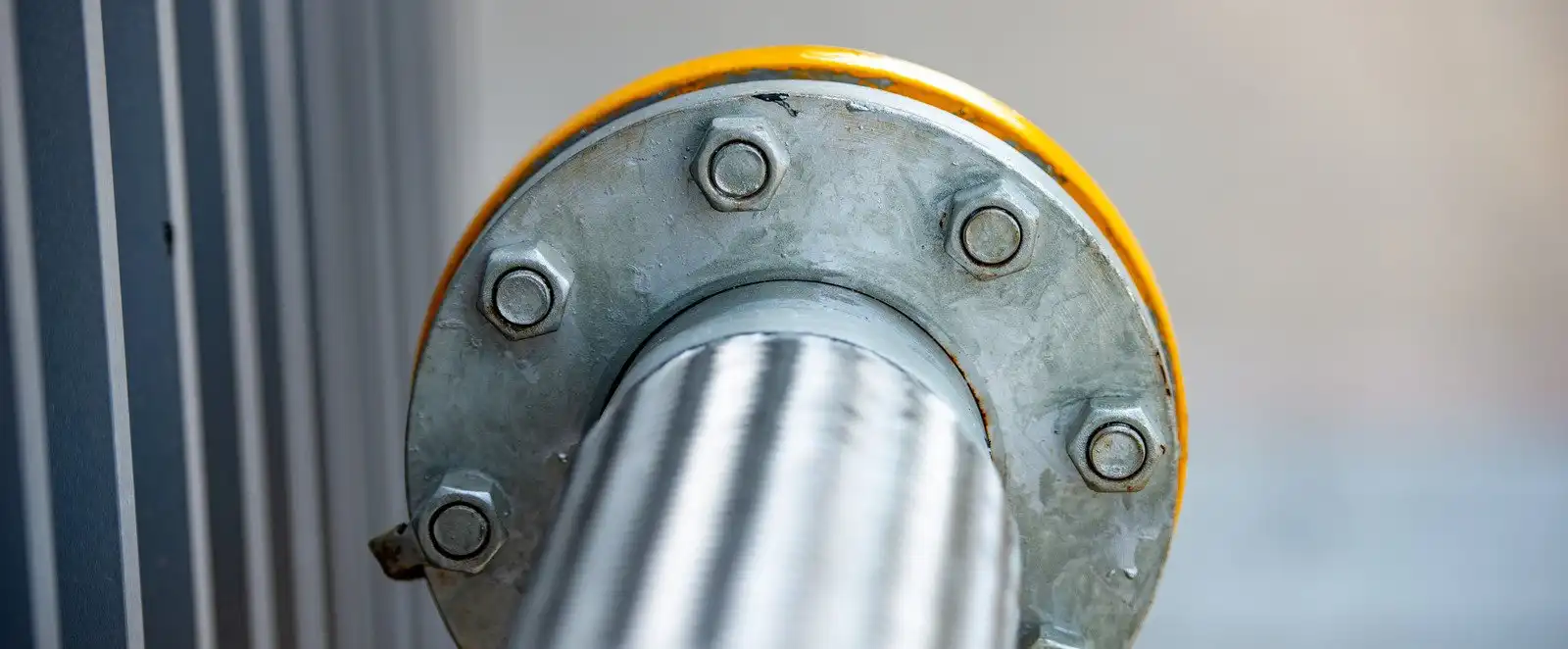
Understanding Flange Connections and Leak Causes
Flange connections are important joints in pipe systems. They use bolted assemblies to make joints between pipe pieces that can be taken apart. There are three main parts that constitute these mechanical links: the flanges, the gaskets that provide sealing surfaces, and the bolts that provide the holding force needed for tight seals.
Types of Flanges and Their Applications
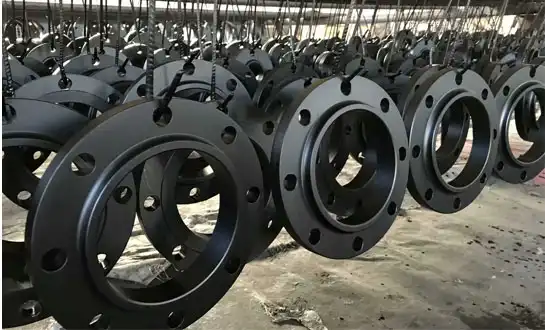
Different types of flanges are used for different types of operations and pressures. With their curved hub that spreads stress evenly across the pipe wall, weld neck flanges are the preferred choice for high-pressure applications. Slip-on flanges make fitting easier for systems with less pressure because they can be slid over the outside of the pipe before being welded. Blind flanges can stop the flow of fluids or gases in a pipeline temporarily or permanently. This is helpful when a pipeline needs to be disconnected from the rest of the system for repairs, maintenance, or other reasons.
Common Causes of Flange Leakage
Most leakage problems are caused by mistakes in the fitting, not problems with the material itself. When the sides of two flanges are not lined up correctly, stress is distributed unevenly, which leads to seal failure and leaks. If the bolt pressure is applied incorrectly, either too little or too much, it can affect how well the seal works. Gasket materials and flange surfaces can slowly wear down over time due to things in the environment like temperature cycles, shaking, and acidic media.
Step-by-Step Guide to Correct Flange-to-Pipe Connection
To install a flange correctly, you need to do a lot of planning ahead of time and follow set steps to make sure the system works well for a long time.
Pre-Installation Inspection and Preparation
Check all of the flange faces for scratches, holes, or other surface flaws that could make sealing less effective before you start putting them together. Thoroughly clean both areas that will be joining, getting rid of any dirt, rust, or protection coats. Check that the flange connection's size, pressure rating, and material details match the needs of the application and are in line with standards like ASME B16.5 or API guidelines.
Here are the most important steps that expert techs take to get ready:
- Use precise tools to check the flatness of the flange face to make sure surfaces meet tolerance standards, which are usually within 0.002 inches for most industrial uses.
- Inserting alignment pins or bolts into bolt holes to check for proper placement before final assembly is a good way to do this.
- Choose the right seal material based on the working temperature, pressure, and needs for media compatibility.
- Make sure that the bolts’ grade, length, and thread pitch match the flange type and the needs of the application.
These steps make it much less likely that there will be problems during setup and make sure that the closing works perfectly once the system is up and running.
Assembly Sequence and Torque Application
Tightening bolts the right way involves a certain order that spreads the loads evenly across the gasket surface. Start by finger-tightening all the bolts. Then, apply torque in the shape of a star, gradually raising the tension with each pass until you hit the final torque value that was stated. This orderly technique keeps the sealing surface uniformly compressed and stops the gasket from moving.
Leak Prevention Techniques During Installation
For better sealing performance, you need to pay attention to more than just the basics of building. Professional technicians use specialized methods to make connections more reliable and extend the life of the service.
Surface Treatment and Lubrication Practices
Putting anti-seize chemicals on bolt threads stops galling during assembly and makes sure that correct torque readings lead to correct gasket compression. Thread lubricants also make it easier to take things apart for repair tasks in the future. Surface finish specs are very important to how well a gasket works. For best sealing in most industrial settings, the surface should be rough, between 125 and 250 microinches.
Pressure Testing and Verification
Post-installation pressure testing makes sure the quality of the equipment is good before the system is turned on. For hydrostatic testing, water is usually pumped at 1.5 times the design pressure. For systems where water contamination is a worry, air testing may be needed. Protocols should be followed during testing, such as slowly increasing pressure, holding for amounts of time to look for leaks, and writing down the results.
Comparing Flange Connections with Alternative Joining Methods
Engineers can choose the best options for different uses and working situations when they know the pros and cons of each joining method.
Flanged versus Welded Connections
Flange links work great in situations where repair needs to be done or where the system needs to be changed. Unlike welded joints, flanged systems can be taken apart and put back together again and again without hurting the parts that are attached. However, welded joints may be better at keeping leaks out for long-term systems that don't need to be serviced. The choice between ways is based on things like the system's pressure, temperature, the amount of upkeep needed, and the original cost.
Threaded and Compression Fittings Comparison
Threaded connections are cheaper for smaller diameter, lower-pressure uses, but they may come away when the temperature changes or when the system shakes. Compression fittings are great for closing sensor lines, but they generally cannot handle as much pressure as flanged units. Based on performance needs and cost factors, each joining way serves a different group of customers.
Maintenance and Troubleshooting for Long-Term Leak-Free Performance
For flange connections to work well in the long term, they need to be maintained regularly, and problems should be dealt with quickly before they become costly failures.
Routine Inspection and Maintenance Schedules
Visual checks for signs of leaks, rust, or loosening bolts are part of regular repair programs. Scheduled retorquing activities make up for the effects of temperature cycles and seal tension. The amount of time between maintenance tasks depends on the working conditions. Areas with high temperatures or corrosion need more frequent care than areas with normal service conditions.
Common Installation Errors and Corrections
When installation problems are caught early, they don't get worse and cause big failures. Using the wrong seal material, applying uneven bolt pressure, or trying to fix pipe imbalance with flange connections are all common mistakes. Following set processes and getting the right training will lower these risks and make sure that the quality of the assembly is always the same.
RAYOUNG's Superior Flange Connection Solutions
RAYOUNG is a reliable company that offers complete flange connection options. They provide high-quality goods and technical support to a wide range of industrial markets. As part of our wide range of products, we offer weld neck flanges, slip-on flanges, and blind flanges made from high-quality carbon steel and stainless steel to meet the most stringent operating needs.
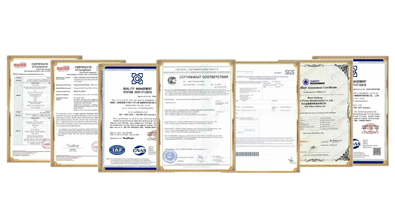
We can make both standard and unique flange designs, and our products are certified to ISO 9001:2015 and other foreign quality standards, such as GOST-R and SGS, so they are safe to send. RAYOUNG's dedication to greatness goes beyond the quality of its products. It also includes full expert support, a variety of buying choices, and dependable shipping plans that help customers meet project goals and stay within their budgets.
Our industrial users gain from the fact that we know a lot about application needs and can make unique solutions for complicated pipe systems. RAYOUNG consistently provides high quality and performance that lowers project risks and ensures long-term operating success, whether they are working with EPC companies on big projects or giving local workers reliable parts.
Conclusion
Using the right flange connection methods is the key to building solid pipe systems for many industry uses. To be successful, you need to know how the parts work together, follow the set steps for putting them together, and keep the connections working throughout their useful life. Quality materials, careful construction, and ongoing upkeep programs all work together to make sure that the system works without leaks and meets safety standards while keeping costs low. Spending money on good training and high-quality parts pays off in the form of less downtime, lower upkeep costs, and more reliable systems.
Frequently Asked Questions
Q1: What gasket material provides the best performance for high-temperature flange connections?
A: Spiral-wound gaskets with graphite facing offer excellent performance for high-temperature applications up to 1000°F, while metal-clad gaskets provide superior sealing for extreme temperature and pressure conditions exceeding standard elastomer capabilities.
Q2: How often should bolt torque be rechecked in industrial flange connections?
A: Initial retorquing should occur after the first thermal cycle, typically within 24-48 hours of startup. Subsequent inspections depend on operating conditions but generally follow quarterly schedules for critical services and annual checks for less demanding applications.
Q3: Can flange connections be reused after system disassembly for maintenance?
A: Flanges can typically be reused if inspection reveals no damage to sealing surfaces or bolt holes. However, gaskets should always be replaced during reassembly to ensure reliable sealing performance and prevent leakage issues.
Partner with RAYOUNG for Reliable Flange Connection Solutions
RAYOUNG makes high-quality flange connection items that work perfectly in tough industrial settings without any leaks. Our wide range of products includes high-quality flanges made of carbon steel and stainless steel that are made to meet strict quality standards and operating needs. We offer the dependability and technical help that procurement managers need to finish projects successfully. We have ISO 9001:2015 approval and international safety qualifications. Email us at info@hb-steel.com to talk to our expert team about your unique needs. As a top provider of flange connections, we offer low prices, variable shipping times, and full expert help to make sure your job goes well.
References
1. American Society of Mechanical Engineers. "Pipe Flanges and Flanged Fittings: NPS 1/2 through NPS 24 Metric/Inch Standard." ASME B16.5-2020.
2. Bickford, John H. "An Introduction to the Design and Behavior of Bolted Joints, Fourth Edition." CRC Press, 2018.
3. Brown, William C. "Flanged Joint Analysis: A Simplified Approach for the Design and Assembly of Bolted Flanged Connections." Journal of Pressure Vessel Technology, Vol. 142, No. 3, 2020.
4. Payne, Joseph R. "Gasket Selection and Installation Best Practices for Industrial Piping Systems." Chemical Engineering Progress, Vol. 117, No. 8, 2021.
5. Singh, Rajesh Kumar. "Leak Detection and Prevention in Industrial Flanged Connections." Process Safety and Environmental Protection, Vol. 156, 2021.
6. Waters, Elizabeth M. "Maintenance Strategies for Critical Piping Systems in Chemical Processing Facilities." Industrial Maintenance and Plant Operation, Vol. 82, No. 4, 2021.