Flange Requirements in Refinery Turnaround Projects
Turnaround projects at refineries are important repair times that need to be carefully coordinated and use high-quality materials to make sure they work well. During these busy repair times, refinery flanges are very important because they connect pipes, valves, and pumps in very complicated petroleum systems at high pressure. Extreme temperatures, corrosive conditions, and big changes in pressure must not affect these special parts, and the links must stay tight. Picking the right flange solutions has a direct effect on project timelines, safety compliance, and long-term operating efficiency. This is why making smart buying decisions is so important for the success of a refinery restart.

Introduction
When companies need to fix something, turnaround projects are very important. They need to be carefully planned and use high-quality materials that can handle the roughest plant conditions. Refinery flanges are very important to these processes because they safely and effectively connect pipe systems in oil sites that are very complicated. When used in oil and gas, these special links have to stay strong in difficult situations like high pressure, changing temperatures, and chemicals that break down metals.
By picking the right refinery flanges, you can keep things safe, make them run more smoothly, and meet the strict standards set by governments around the world. In addition to project delays, if you don't pick the right flanges, you could have safety issues, environmental issues, and costly shutdowns that come up out of the blue. A big part of helping refineries around the world turn things around is finding reliable companies that sell high-quality refinery flanges and have a track record of success.
By making the flange wants clear, this full guide helps global B2B sourcing workers pick the best places to buy things. When teams that are buying know all about flange specs, picking the right materials, and reviewing sellers, they can lower project risks, make sure costs are as low as possible, and arrive on time.
Understanding Refinery Flanges and Their Specifications
As important connectors in refinery pipe systems, refinery flanges are made to survive the high pressure, high temperature, and corrosive conditions common in petrochemical operations. Because of their unique material qualities and strict mechanical needs, these specialised parts are very different from regular industrial flanges.
Key Types and Design Features
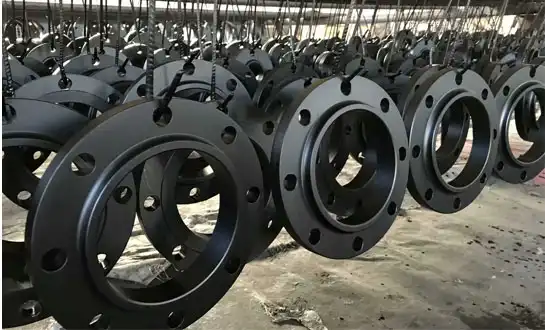
There are five main types of refinery flanges: weld neck, slip-on, blind, threaded, and lap joint. Each type is best for a certain installation and servicing situation. Long, curved hubs on weld neck flanges make them very strong for high-pressure uses, which makes them perfect for important process connections. When it comes to sealing, raised face shapes are better because the gasket pressure is concentrated around the bore area. Ring-type joint designs, on the other hand, use metal ring gaskets for high temperature and pressure conditions.
In order to keep the system's pressure stability and keep contaminants out, blind flanges are necessary to seal the ends of pipes during repair work. Which of these types to use depends on the specific needs of the application, such as the required pressure, temperature range, and ease of access during recovery activities.
Material Specifications and Standards
Following international standards like API, ASME, ANSI, and DIN makes sure that all refinery activities around the world are safe and compatible. Specifications that are very important include pressure levels, exact flange measurements, and gasket compatibility. These are all things that are needed to keep the system together and stop leaks. You can choose from carbon steel, stainless steel, and special metals like ASTM A182 types F11, F22, and F91, which are made up of chromium and molybdenum.
These high-tech materials are very good at resisting rust, changing temperatures, and the mechanical stress that comes from distillation, cracking, reforming, and hydrotreating units. Long-term contact with hydrocarbons, sulphur compounds, and other harsh chemicals that are common in industrial settings must be taken into account during the selection process. This is why material selection is so important for ensuring reliable flange performance.
Critical Flange Requirements During Refinery Turnaround Projects
Because of tight deadlines and strict safety rules that guide refinery operations, turnaround projects make it hard to choose the right flanges and change them. During these times of intense maintenance, there are often tight deadlines that procurement teams have to meet while also maintaining the highest standards of quality.
Installation and Quality Management
Managing the quality of the work while under a lot of pressure and making sure that legal standards are met while keeping the project moving forward are common problems. When you have multiple types of flanges, different pressure ratings, and different material specs in systems that are all linked to each other, things get more complicated. Weather, the ability of workers to work together, and the supply of tools all make planning a return even more difficult.
Best practices recommend detailed assembly steps that include the right way to tighten bolts, the right way to fit gaskets, and thorough checking steps that are carried out by skilled workers using the right specialised tools. These steps need to take into account things like thermal growth, alignment tolerances, and the ability to do long-term upkeep. Documentation needs to be kept very carefully during turnarounds to meet legal standards and plan for future maintenance.
Maintenance Protocols and Longevity
Routine maintenance plans that include checking for rust, making sure bolts are tight enough, and replacing gaskets greatly extend the life of flanges and lower the chances of unexpected downtime. Implementing these disciplined practices accelerates turnaround schedules, minimizes operational risks, and maximizes asset reliability throughout the entire production cycle.
Regular eye checks, ultrasonic thickness readings for corrosion monitoring, and separate leak detection programs are all examples of proactive maintenance strategies that find problems before they damage the system. These all-around methods make sure the best performance, while also increasing service life and lowering the total cost of ownership.

Choosing the Right Refinery Flanges: Comparison and Decision Factors
To choose refinery flanges, you need to know how they are different from regular pipe flanges, especially in terms of the materials and design features that are made to last in tough refinery circumstances. When making a choice, many technical and economic factors are taken into account that affect both the short-term success of the project and its long-term operating performance.
Forged versus Welded Construction
When you compare forged and welded flanges, you can see how important it is to think about their strength, longevity, and ability to handle the high temperatures and pressures that are common in industrial settings. Forged flanges usually have better grain structure and mechanical qualities, but welded options may be more cost-effective in some situations, depending on design requirements and engineering analysis.
The method used to make something has a big effect on its performance. For example, forged parts tend to be better at resisting wear and keeping air in. While welded flanges designed to proper standards can perform reliably in many industrial applications and may offer cost advantages in bulk procurement scenarios.
Material Selection Criteria
When choosing between carbon steel and stainless steel for a material, things like the original cost, the need for corrosion resistance, and the specific environmental needs of the product must all be taken into account. In many situations, carbon steel types are more cost-effective, while stainless steel is better at resisting corrosion in harsh circumstances.
Specialised metal formulas deal with problems like high-temperature creep resistance, sulphur corrosion, and thermal cycles that happen in different refinery processes. During the decision process, both short-term performance needs and long-term degradation methods that could weaken the system over time must be taken into account.
Pressure rating fit and proper seal matching are still necessary to make sure connections don't leak, and that the system works properly for the whole time it's in use. A thorough comparison method helps buying teams make choices that are performance-driven and cost-effective, and that are in line with the needs and goals of the refinery project.
Procurement Strategies and Supplier Selection for Refinery Flanges
To meet tight deadlines, good buying includes a strategic look at what suppliers can do, the ability to customise products, and the speed of logistics. Because refinery operations are so complicated, providers need to know how to deal with both the technical needs and the project management problems that come up during turnarounds.
Supplier Evaluation and Logistics
Some important things to think about are wait times that are needed to meet deadlines, the ability to get bulk discounts, and the supplier's ability to be flexible in meeting technical standards and delivery needs. Suppliers must show that they can meet urgent orders while upholding quality standards and offering expert help during the whole process of buying and installing.
During time-sensitive turnaround operations, things like proximity, the ability to handle supplies, and emergency reaction plans become very important. When it comes to reducing shipping delays and transportation costs, suppliers with local inventory or carefully placed distribution centres are a big plus.
Certification and Quality Assurance
Checking a supplier's licenses and certifications helps ensure product conformity and manufacturing quality control, and it also shows how important it is to buy from certified providers instead of aftermarket options. Quality control systems, traceability paperwork, and material test papers make sure that regulations are followed and that the product works as expected.
Certifications like ISO 9001:2015, GOST-R or relevant EAEU conformity certifications, and SGS approval give customers faith in the quality management systems of suppliers and the stability of their products. These certificates show that the company is dedicated to constant growth and following international quality standards, which are important for industrial uses.
By carefully looking at both price structures and delivery reliability, you can make sure that your buying decisions are fair. This way, you can keep quality standards high while also maximising project timelines and budgets. For smooth refinery flange procurement and long-term supply chain success, it's important to work with reputable providers who offer stable quality and quick service.
Ensuring Long-Term Value and Reliability of Refinery Flanges
When you buy high-quality refinery flanges, you get real benefits like better safety, shorter repair intervals, and more downtime during turnarounds and normal operations. The effect on the economy goes beyond the initial prices of buying something; it also includes the total cost of ownership, which includes things like repairs, replacements, and how efficiently the business runs.
Performance Benefits and Case Studies
Premium flange solutions provide clear benefits by reducing failure risks and improving maintenance efficiency in refinery operations. Longer service life and Higher reliability in tough working conditions is achieved through the use of advanced materials and precise manufacturing methods and precise manufacturing methods.
Superior flange quality lowers the need for emergency repair, lowers the number of unexpected shutdowns, and raises the general reliability of the system. These improvements in performance directly lead to higher profits because upkeep costs go down and production capacity is used more efficiently.
Future Trends and Innovation
Looking ahead, emerging trends such as advanced corrosion-resistant materials, innovations in flange design, and integration of digital inspection technologies promise to elevate flange reliability and performance capabilities. Smart tracking systems and predictive maintenance technologies can help you get the most out of your repair schedule and keep things from breaking down when you least expect them to.
As material science progresses, metals with better performance properties are made, and as production gets better, the accuracy of the dimensions and quality of the surface finish get better as well. These technological advances help buying professionals make sure their investments will still work in the future and keep refineries running at their best for longer periods of time.
By keeping up with changes in technology, procurement professionals can make smart choices that meet the needs of both current projects and long-term business goals, while also keeping their competitive edge in global markets that are always changing.
Conclusion
Picking the right flange options that meet strict performance, safety, and reliability standards is a key part of turning around a plant successfully. Modern refineries are very complicated, so it's important to know a lot about material specs, installation processes, and suppliers' abilities in order to make the best choices about what to buy. Quality refinery flanges are essential for keeping the system safe, making sure it works right, and making sure it lasts for a long time in difficult petroleum uses. Strategic methods to buying things that focus on relationships with suppliers, technical know-how, and quality control offer measurable value by lowering risks, increasing efficiency, and making operations more reliable during turnaround cycles.
FAQ
Q1: What materials are best for refinery flange applications?
Carbon steel, stainless steel, and specialised alloys, including ASTM A182 grades F11, F22, and F91, provide optimal performance in refinery environments. Material selection depends on specific service conditions, including temperature, pressure, and corrosive media exposure.
Q2: How do I verify flange compliance with industry standards?
Verification requires reviewing material test certificates, dimensional inspection reports, and manufacturing certifications from suppliers. Look for compliance with API, ASME, ANSI, and DIN standards along with appropriate quality management system certifications.
Q3: What are common installation mistakes to avoid during turnarounds?
Improper bolt torquing, incorrect gasket installation, and inadequate alignment checking represent frequent installation errors. Following detailed procedures, using calibrated tools, and conducting thorough inspections prevent these issues and ensure reliable connections.
Partner with RAYOUNG for Superior Refinery Flange Solutions
RAYOUNG stands as a premier manufacturer and trusted supplier of industrial piping components, delivering exceptional quality and reliability for critical refinery turnaround projects worldwide. Our comprehensive product lineup includes carbon steel, stainless steel, and specialised alloy flanges manufactured to stringent international standards. With ISO 9001:2015, GOST-R, and SGS certifications ensuring export compliance and quality validation, we provide dependable solutions that minimise project risks and maximise operational efficiency. Contact our expert team at info@hb-steel.com today for personalised quotes, technical guidance, and bulk order advantages tailored to your specific turnaround requirements.
References
1. American Petroleum Institute. "API Standard 6A: Specification for Wellhead and Christmas Tree Equipment." 21st Edition, 2019.
2. American Society of Mechanical Engineers. "ASME B16.5: Pipe Flanges and Flanged Fittings." ASME International, 2020.
3. Nelson, Wayne K. "Petroleum Refinery Process Economics." 2nd Edition, PennWell Corporation, 2018.
4. Towler, Gavin and Sinnott, Ray. "Chemical Engineering Design: Principles, Practice and Economics of Plant and Process Design." 2nd Edition, Butterworth-Heinemann, 2013.
5. Speight, James G. "Handbook of Petroleum Refining Processes." 4th Edition, McGraw-Hill Professional, 2017.
6. Mokhatab, Saeid and Poe, William A. "Handbook of Natural Gas Transmission and Processing: Principles and Practices." 4th Edition, Gulf Professional Publishing, 2019.

Need a quote? Want to see samples? Just say hello. We’re friendly. We’re fast. And we’re ready when you are.

Welcome to RAYOUNG – Strong Pipes, Stronger Promise