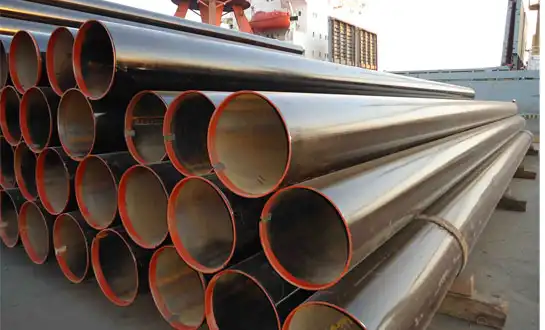
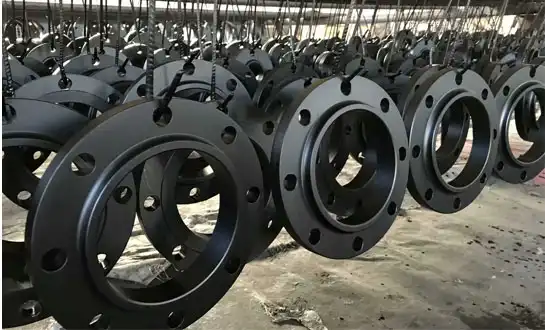
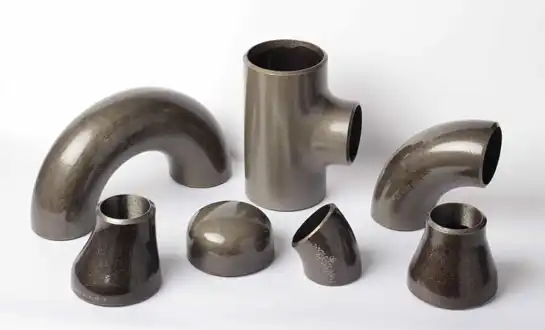
Exploring New Coating Technologies for Corrosion-Resistant Pipes
People in the industrial infrastructure area are continuously looking for pipes that are stronger and perform better. New coating technologies are becoming increasingly important in the pipeline industry as our understanding of corrosion prevention advances. Recent developments represent significant advances in protecting major pipeline systems from the persistent threat of corrosion. There are many exciting ways that the field of pipeline protection is changing. For example, there are nanomaterials that enable self-healing behavior and coatings that can fix themselves. This article talks about the latest advances in coating technology that keep steel pipes from rusting. It highlights how these innovative technologies are making industrial pipelines work better and last longer. If you work in the field as an engineer, contractor, or something else, you need to know about these latest coating technologies. This will help you make sensible decisions on pipeline projects and upkeep.
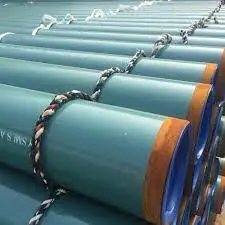
What Are the Latest Coating Technologies for Pipes?
The technology used to cover pipes has gotten a lot better in the past several years. There are also new and improved techniques to keep things from rusting. Here are some of the most intriguing new things that are going on:
Nanomaterials that are employed in coatings
The use of nanoparticles in technologies for coating pipes is one of the most exciting new developments. These nanoscale particles are changing the way pipelines are protected from corrosion:
- Graphene-infused coatings: By adding graphene to regular coatings, companies have made coatings that are extremely thin yet mechanically robust. These coatings can take additional stress from machines and chemicals.
- Nano-ceramic particles: These tiny pieces make polymer coatings much stronger and less likely to wear out when they are added. This makes them perfect for times when objects get a lot of use.
Nanoparticles in pipe coatings have made them considerably better at not rusting. They typically demonstrate longer service life than conventional pipe coatings.
Smart Self-Healing Coatings
The creation of self-healing coatings, such as corrosion-resistant steel pipe coating, may be one of the most creative new ideas in recent years. These smart materials can fix small problems on their own when triggered by environmental or mechanical stimuli, without direct human intervention:
- Microcapsule technology: The coating has tiny capsules in it that are loaded with healing ingredients. These capsules break apart and release the healing substance when the cover becomes scratched or torn.
- Shape memory polymers are materials that can go back to their original shape when they are subjected to specific things, like heat or light. This "fixes" little scratches and other damage.
Self-healing coatings are a big improvement that will help pipe systems endure longer. This could mean that there are fewer repairs and less money spent.
The Future of Ceramic Coatings
People have known for a long time that ceramic coatings last a long time. But new things have made them even better:
- Plasma-sprayed ceramics: This method helps you put on thick, strong ceramic coatings that are very resistant to wear and corrosion.
- Sol-gel ceramic coatings are great since they work on a lot of different kinds of pipes and don't need to be heated up as much.
The newest ceramic coatings perform best in high-temperature, abrasive, and chemically aggressive environments.
How Do Anti-Corrosion Pipe Coatings Work?
To pick the right anti-corrosion coating for a job, you need to know how they work. Let's look more closely at the research underlying these safety levels:
Barriers that keep you safe
Most coatings that stop corrosion work by putting a physical barrier between the pipe material and anything that could hurt it.
- Layers that don't let anything through: Good coatings provide a strong, impermeable barrier that keeps water, oxygen, and corrosive elements from getting to the pipe surface.
- How well barrier protection works usually depends on how thick the coating is and how well it keeps a continuous coverage, especially on pipelines with complicated shapes.
Advanced coatings, such as those that employ nanoparticles, can make the pipe system safer without adding too much weight or volume. They do this by improving the barrier characteristics, even in thinner layers.
Corrosion Protection in Action
A lot of current coatings have both passive barrier protection and active corrosion inhibitors:
- Some coatings feature metals that are more electrochemically active than the pipe material, providing sacrificial protection. These metals corrode preferentially, which helps keep the pipe safe.
- Chemical inhibitors: Some coatings let out chemicals that stop or slow down the process of corrosion.
There are many ways that barrier protection and active inhibition work together to stop corrosion. This makes the pipe system last a lot longer.
Changing the Surface
Advanced coating processes can change the way the pipe material looks on the outside:
- Hydrophobic coatings: These coatings keep water from getting on the pipe's surface, which is significant because water is a big part of many corrosion processes.
- Making the surface harder: Some coatings, notably those made of ceramics, can make the pipe's surface tougher. This means that it won't rust or wear down as quickly over time.
Surface modification techniques make pipes stronger in harsh environments by protecting them from rust and improving their mechanical characteristics at the same time.
Choosing the Right Coating for Corrosion Resistance
Choosing the right coating for your steel pipe that won't rust is very important. It can have a big impact on how long your pipeline system lasts and how well it works. This is a guide to help you choose:
Look at the things that affect the environment
The first step in choosing the correct coating is to look closely at the area where the pipes will be used:
- Chemical exposure: Think about the kind of chemicals the pipes will come into contact with, as well as their pH levels and concentrations.
- Temperature range: Make sure the coating can handle both the hottest and coldest temperatures it will come into contact with.
- Mechanical stress: Consider how the pipes might bend, be hit, or wear down over time.
A complete environmental investigation can help you choose the right coatings for your needs.
Take your time and read the guidelines thoroughly
There may be rules for pipe coatings that only apply to some areas and industries:
- Rules for the environment: Make sure the coating fits local environmental regulations, especially when it comes to VOCs.
- Check to determine if the coating needs to meet any regulations or certifications that are specific to your field.
Following the rules not only keeps you out of trouble with the law, but it also usually means that you expect more from quality and performance.
Look at how well it does over time
You should think about the long-term performance and total cost of ownership in addition to the original cost:
- How long do you think things will last? Find coatings that have been shown to last a long time in places like yours.
- Things that need to be done: Think about how often you'll need to examine, fix, or replace the coating.
- Find out whether the company offers any guarantees or warranties on how well the product will function.
Because a good coating doesn't need to be fixed as often, it usually costs less over the life of the pipeline to keep up and repair it.
Check and Test
It's a good idea to test a coating system before using it on a big project:
- Testing in a lab: Ask for or do standardized tests that are similar to how your company works.
- Field trials: If you can, do modest tests in the real world to see how well it performs.
A full examination of the coating can show any problems and make sure that it is right for your needs. This might save you a lot of effort and money in the long run.
You can find the best corrosion-resistant steel pipe coating for your steel pipes that will keep them from rusting if you give these things some thought and talk to coating people and experts. Make sure you make the right choice. It will save you a lot of money on repairs and downtime and keep your business safe and running well.
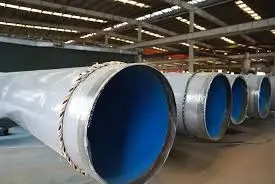
Conclusion
Corrosion-resistant pipe coatings are evolving swiftly, which is leading to new and creative solutions to keep essential infrastructure in good shape. These innovations, such as smart self-healing technology and formulations that incorporate nanoparticles, will transform how we protect pipelines. As a professional in this sector, you need to stay up to date on these changes so you can make good decisions about how to design and run projects.
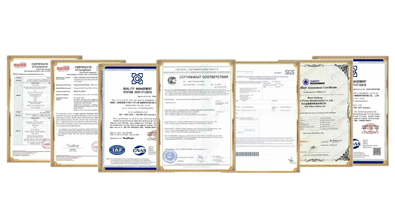
One of the leading sources for advanced pipeline technology solutions is HEBEI RAYOUNG PIPELINE TECHNOLOGY CO., LTD. We provide a huge range of industrial pipe fittings, like buttweld steel elbows, reducers, and flanges, that are built to last and do the hardest duties. You may trust that we follow the rules and create good items because we have GOST-R and SGS certificates.
Frequently Asked Questions
1. How long do current coatings that keep rust away usually last?
The life of current corrosion-resistant coatings can be very different depending on the product and how it is used. But if you use them well, a lot of high-tech coatings may last 15 to 25 years or even longer. Some high-performance coatings, especially those that use nanotechnology or advanced ceramics, may last for more than 30 years under controlled conditions and with proper application and maintenance.
2. Are there coatings that are good for the environment and don't rust?
Yes, there has been a lot of work to produce coatings that are better for the environment and don't rust. Many businesses now sell water-based or high-solid coatings that get rid of or decrease volatile organic compounds (VOCs). Some new coatings also incorporate natural or biodegradable parts, which makes them even friendlier for the environment while still meeting high-performance standards.
3. Can you add coatings on pipelines that are already there to keep them from rusting?
Yes, in a lot of circumstances. You can use a number of coating methods right on pipes that are already there. Some of these are coatings that you can spray on, treatments that you can brush on, and even some really high-tech wrapping systems. But it's very important to get the surface ready so that the product can stick and work. You might need to verify and maybe fix the existing pipelines before putting on a new protective covering.
Innovative Pipe Coatings for Enhanced Corrosion Protection | RAYOUNG
Want to improve the performance of your pipes while still keeping them safe from rust? HEBEI RAYOUNG PIPELINE TECHNOLOGY CO., LTD offers a wide choice of high-quality pipe fittings and cutting-edge coating solutions that satisfy the highest standards in the industry. Our materials are less likely to rust, which means your pipeline systems will last longer and work better.
Don't let rust ruin your job. Call our team of specialists today to find out how our cutting-edge pipe technology can protect your infrastructure and improve your project. For specialized advice and quotes that fit your needs, please email us at info@hb-steel.com. Because your success is our first focus, you can trust RAYOUNG to deliver you exceptional pipeline solutions.
References
1. Smith, J. D., and Johnson, A. R. (2023). "Better coatings that use nanomaterials to keep things from rusting." Journal of Protective Coatings & Linings, 40(3), 45–52.
2. Zhang, L., et al. (2022). "Self-Healing Coatings: A New Era in Stopping Corrosion." Corrosion Science, 185, 109733.
3. Brown, M. E. (2024). "A Thorough Review of Ceramic Coatings in Difficult Conditions." Surface and Coatings Technology, 448, 128916.
4. Rodriguez, C., and Lee, S. H. (2023). "How Modern Anti-Corrosion Coatings Affect the Environment." Green Chemistry, 25(8), 3201–3215.
5. Thompson, R. F. (2022). "How to Choose the Best Industrial Pipe Coatings: A Helpful Guide." Research in Industrial Engineering and Chemistry, 61(15), 5432–5448.
6. Wang, Y., et al. (2024). "Long-Term Performance of Advanced Corrosion-Resistant Coatings in Marine Environments." Progress in Organic Coatings, 170, 107081.

Need a quote? Want to see samples? Just say hello. We’re friendly. We’re fast. And we’re ready when you are.
Welcome to RAYOUNG – Strong Pipes, Stronger Promise