Best Practices for Shipping and Handling Steel Pipes Globally
Careful planning and execution are needed to make sure that steel pipes sent and moved around the world arrive at their destination safely and in the best possible condition. If you are an EPC contractor, a distributor, or an industrial end-user, you need to know the best ways to transfer these crucial items for your project to be successful. From picking the correct shipping methods to employing the right packaging methods, every step of the process is vital for keeping your steel pipes secure while they are being shipped. We'll go over the best ways to ship steel pipes throughout the world in this full guide, including how to box them and how to keep them from getting damaged. By following these tried-and-true industry procedures, you can cut costs, minimize risks, and make sure your steel pipes are ready to be installed, no matter where in the globe they are heading.
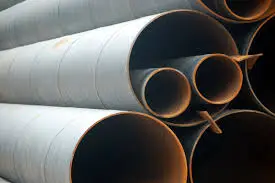
What Are the Best Methods for Shipping Steel Pipes?
It's very crucial to choose the right approach to export steel pipes across borders. The choice depends on a lot of aspects, such as how big the project is, how many people are working on it, where it is, and when it needs to be done. Here are the finest and most popular ways to export steel pipes:
Sending things in containers
Container shipping is a suitable choice for small volumes of steel pipes or for items that are very valuable and made to exact specifications. This approach has a lot of good points:
- More protection from the weather
- Easier to deal with and keep track of
- Less likely to get damaged while in transportation
- good for traveling in more than one manner.
Shipping a lot of steel pipes in containers might not be the best approach to save money, though, because there isn't enough room. Exploring alternative steel pipe shipping methods could provide more efficient solutions.
Sending Break Bulk
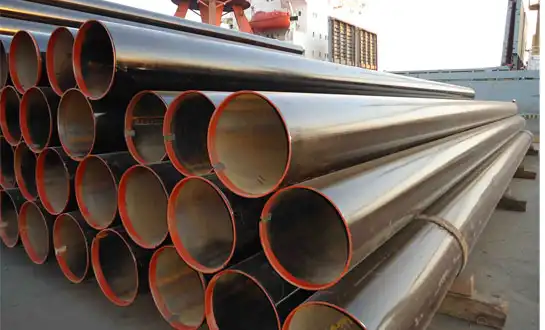
Sending a lot of steel pipes at once is usually best done by break-bulk transportation. This approach loads pipes onto the ship without placing them in containers first. Here are some of the benefits:
- Better use of space for big shipments
- Cheaper for large volumes
- Being able to work with pipes that are too huge or have odd shapes
You need to prepare ahead and employ special tools to load and unload big shipments.
Roll-on/Roll-off (RoRo) Sending
RoRo shipping is a wonderful option for steel pipes that are already loaded into trailers or flatbeds. This process gives you
- Faster loading and unloading
- Less handling means less danger of harm.
- Good for cargo that has to get there quickly
RoRo shipping is great for jobs that need to be done fast or when you need to work with pipe systems that are already set up.
Steel Pipe Packaging and Loading Guidelines
Steel pipes need to be packaged and loaded precisely so that they travel to their destination safely. Following the best practices in your field can considerably minimize the risk of damage and make it easier to handle during shipping.
Ways to Wrap
Steel pipes are safe from rust, damage, and the weather when they are packed well. Consider these rules:
- Use heavy-duty plastic wrap or special pipe sleeves to keep moisture out.
- Use end covers to protect the threads and beveled ends of the pipe.
- Use wooden cradles or special pipe racks to stack and hold parcels safely.
- For long-term storage or travel, use coatings that don't rust or temporary preservatives.
Best Ways to Load
When things are being transferred, the right way to load them keeps them sturdy and makes them easier to manage. Things that are important to think about are:
- Put the weight evenly throughout the container or vehicle that is moving it.
- Use the correct dunnage materials to keep things from moving and protect them.
- Use sturdy chains or straps to hold the pipe bundles together at a few points.
- In places that are closed off, make sure there is enough airflow to stop condensation.
Following these packing and loading principles will considerably minimize the possibility of damage during delivery and make it easier to handle at different points along the road.
How to Prevent Damage During Steel Pipe Transportation?
When moving steel pipes, it's crucial to protect them from damage so that the product retains high quality and there are no costly delays or replacements. A thorough damage prevention plan has a few key parts:
Check things out before shipping
Before delivery, detailed tests can discover flaws and make sure everything is ready:
- Check for any damage or defects that are already there.
- Make sure that the protective coatings are still there and were installed the right way.
- Check that you have all the right papers and certificates.
Use the Right Tools for Handling
Moving steel pipes using the right tools and machines makes it less likely that they will get damaged:
- Use special tools to lift pipes, like pipe hooks or vacuum lifts.
- Show workers how to do things right so they don't get wounded or scratched.
- Use soft slings or other protective items while using cranes or forklifts.
Watch the weather
Controlling the weather while shipping helps stop rust and other kinds of damage:
- To keep moisture in check, use dehumidifiers or desiccants in places that are closed off.
- Watch for variations in temperature and do something to stop them when they happen.
- Put covers on goods that will be stored or moved outside that will keep them dry.
Set up strong communication and tracking
Good tracking and communication during shipping can help you detect and fix problems quickly:
- Always know where your package is by using GPS tracking.
- Make it easy for everyone involved in the transportation to talk to each other.
- During the journey, check in and let others know how you're doing on a frequent basis.
Using these measures to keep your steel pipes from getting damaged while they are being moved can considerably minimize the possibility of problems developing. This will make sure that they get to their destination in the best shape possible and are ready to use, especially when the right steel pipe shipping methods are applied.
Conclusion
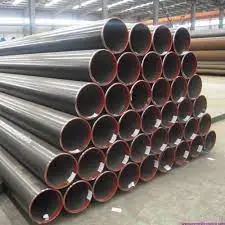
To do well on a project in today's connected world, you need to know how to ship and handle steel pipes all over the world. You can make sure that your expensive steel pipe assets arrive at their destination promptly and safely by carefully picking the best shipping methods, employing sturdy packaging and loading techniques, and putting damage control measures first.
EPC contractors, distributors, and industrial end-users should only work with suppliers who are familiar with these best practices. HEBEI RAYOUNG PIPELINE TECHNOLOGY CO., LTD has been in business for a long time and is a trusted source for carbon steel pipes. They have customers in the US and other countries. We are committed to quality, safety, and innovation. That's why we provide a comprehensive choice of steel pipe fittings and pipes that may be utilized in many industrial projects throughout the world.
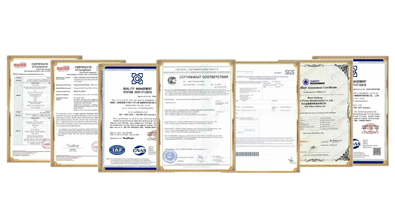
If you're in charge of sophisticated infrastructure projects or keeping key industrial systems functioning, picking the right steel pipe supplier might make or break your project's success. RAYOUNG is the finest company to work with for all of your steel pipe needs since they have GOST-R and SGS certifications, follow ISO 9001:2015 standards, and are dedicated to making sure their goods are of the highest quality.
Frequently Asked Questions
1. What sizes of steel pipes do people use the most to ship things around the world?
Steel pipes that are sent all over the world are normally between 1/2 inch and 48 inches in diameter. On the other hand, the most typical sizes that are shipped are normally between 2 and 24 inches, depending on the demands of the business and how the item will be used. It's important to remember that the size of the pipe can have a huge impact on how it is shipped and how much it costs.
2. How long does it generally take to ship steel pipes to other countries?
It could take a long time to ship steel pipes, depending on where they came from, where they're going, how they're being shipped, and any delays at customs. Marine freight usually takes between 2 and 8 weeks for major routes. Air freight costs more but gets there faster. Five to ten days is the usual time. When making your project calendar, you should remember these due dates.
3. What documents do you need to send steel pipes to foreign countries?
To ship steel pipes abroad, you normally need to fill out the following forms: - Bill for the selling - List of things that were packed, such a Bill of Lading or Air Waybill - Proof of Origin - Export Declaration - Import License (if the country you're sending it to needs one) - Certificates of Material Testing Always check with your shipping business and customs officials to make sure you have the latest up-to-date rules. These rules might change from one country to another and even from one set of rules to another.
Ensure Safe and Efficient Steel Pipe Delivery for Your Global Projects | RAYOUNG
Don't let delivery issues stop your project from being a success. You may trust HEBEI RAYOUNG PIPELINE TECHNOLOGY CO., LTD to carefully and professionally send high-quality steel pipes and fittings to your project's locations all over the world. Our team of professionals is ready to assist you in finding the best shipping alternatives for your needs. They will also make sure that your steel pipes arrive on time and in perfect condition every time.
Take the first step toward making it easier to get and give away steel pipes. Email us at info@hb-steel.com to chat about what you need for your project and learn how RAYOUNG can help you do well in the global market. Let's work together to make the future better, one steel pipe at a time.
References
1. International Maritime Organization. (2020). "Guidelines for the Safe Transport of Steel Pipes by Sea."
2. American Petroleum Institute. (2021). "Recommended Practice for Transportation of Line Pipe."
3. World Steel Association. (2022). "Global Steel Pipe Market Analysis and Forecast."
4. Journal of Transport and Logistics. (2023). "Innovations in Steel Pipe Shipping: A Comparative Study."
5. International Chamber of Shipping. (2021). "Best Practices for Cargo Securing and Loss Prevention."
6. Steel Pipe Institute. (2022). "Handling and Storage Guidelines for Steel Pipe Products."

Need a quote? Want to see samples? Just say hello. We’re friendly. We’re fast. And we’re ready when you are.
Welcome to RAYOUNG – Strong Pipes, Stronger Promise