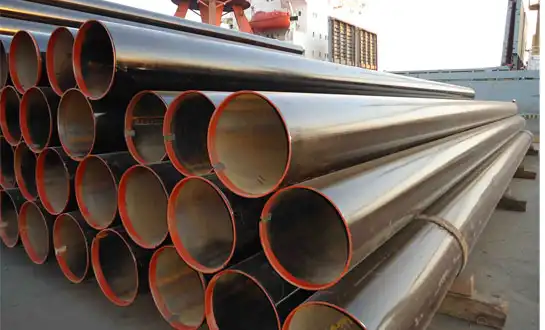
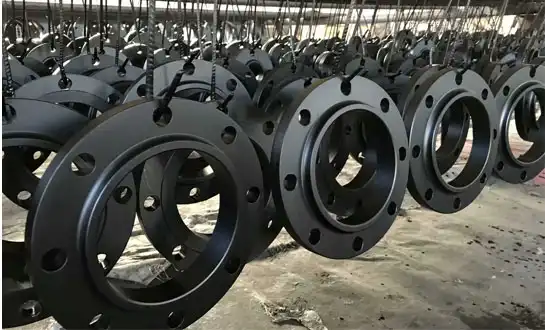
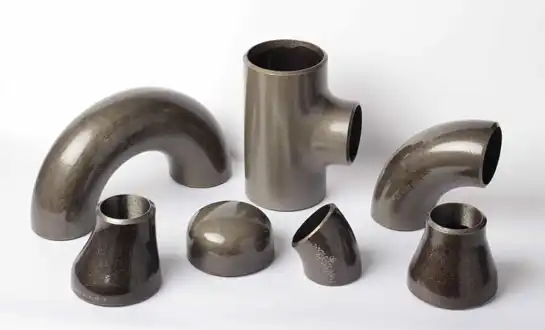
Finding a trusted Chinese supplier for slip-on flanges might make a big difference when it comes to getting them for Canadian fabrication projects. These important parts are what connect pipes and make sure that different industrial systems stay in good working order. There are many benefits for Canadian fabricators who want high-quality, low-cost solutions to work with well-known Chinese manufacturers. This article talks about the most important things to think about when choosing a Chinese slip-on flange supplier, the advantages of using slip-on flanges in Canadian projects, and how to make sure that the flanges you buy are of the highest quality. China is now the world's top producer of industrial parts, such as slip-on flanges. Many Canadian fabricators now work with Chinese suppliers because they have sophisticated production skills, affordable prices, and a dedication to international quality standards. But not all providers are the same, so it's important to do your homework to find the ones that can always satisfy your needs and expectations.
What to check when selecting Chinese slip-on flange suppliers for the Canadian market?
When looking at possible Chinese providers of slip-on flanges for the Canadian market, there are a few important things to think about:
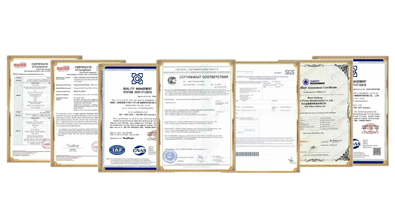
Certifications and Compliance
Make sure that the supplier has the right certifications, such as ISO 9001:2015 for quality management systems. Also, make sure that the product meets Canadian norms and rules, such as getting CSA (Canadian Standards Association) clearance when necessary.
Manufacturing Capabilities
Look at the supplier's ability to make things, their equipment, and their technology. A modern factory with cutting-edge equipment is more likely to make slip-on flanges that are always of good quality.
Material Sourcing and Quality Control
Ask the provider how they get their materials and how they make sure they are of good quality. Reputable producers should be able to give proof of the quality of their materials and extensive quality assurance procedures.
Experience and Reputation
Find vendors who have a good track record of doing business in Canada. Read reviews from customers, ask for references, and look into the company's past in the business.
Communication and Support
When working with suppliers from other countries, good communication is quite important. Make sure the organisation has English-speaking employees and customer service that is quick to respond to any queries or issues.
Customization Options
When making things in Canada, flanges typically need to be made to fit unique project needs. Check to see if the supplier can customise their products and meet your specific needs.
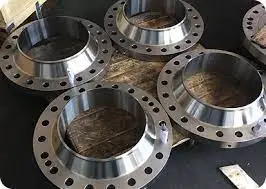
Advantages of slip-on flanges for fabrication projects in Canada
Slip-on flanges are a common choice for many fabrication projects in Canada since they provide several advantages:
Ease of Installation
Slip-on flanges are easy and quick to install, which cuts down on labour costs and project schedules. This is especially helpful for Canadian construction and industrial projects that need to be done quickly.
Versatility
These flanges can be utilised in many different situations, such as oil and gas pipelines and water treatment plants. This makes them a flexible choice for many Canadian sectors.
Cost-Effectiveness
Slip-on flanges are frequently cheaper to make and buy than some other types of flanges. This helps Canadian fabricators stay on budget for their projects.
Maintenance and Replacement
Slip-on flanges are easier to maintain and replace when they need to be, which cuts down on downtime in important systems at Canadian operations.
Compatibility
Slip-on flanges work with pipes of different sizes and materials, which gives Canadian engineering projects more options when it comes to designing and upgrading their systems.
Ensuring flange quality: material grade, flat-face finish, bolt-hole alignment and pressure class
To make sure that slip-on flanges work well and are safe for Canadian manufacturing projects, a number of quality factors need to be carefully looked at:
Material Grade
Choosing the right material is very important for making sure the flange lasts and can stand up to the elements. Some common materials used to make slip-on flanges are:
- Carbon steel, like ASTM A105
- Stainless steel, like ASTM A182 F304 and F316
- Alloy steel, such as ASTM A182 F11 and F22
Choose the right material grade for your Canadian project based on its specific needs, such as temperature, pressure, and resistance to corrosion.
Flat-Face Finish
For effective sealing and to keep leaks from happening, the flat-face finish on slip-on flanges must be of high quality. Some important things to think about are:
- Surface roughness: usually quantified in Ra value or microinches (µin)
- Tolerance for flatness: Makes sure that gaskets or mating surfaces touch evenly
- Uniformity across the whole face
Canadian manufacturers should say what level of finish quality is needed, depending on the application and system needs.
Bolt-Hole Alignment
It is important to line up the bolt holes correctly so that the installation is easy and the flanged connections stay strong. Make sure that:
- Bolt holes are the right size and distance apart according to the rules (such as ASME B16.5).
- Holes are drilled straight through the face of the flange.
- The diameter of the bolt circle is within the limits set.
Pressure Class
Choosing the right pressure class for slip-on flanges is very important for safety and performance in Canadian industrial settings. Think about:
- The system's highest working pressure
- Changes in temperature that could change pressure ratings
- Safety elements that are needed by Canadian laws or industry requirements
There are many different pressure classes, such as 150#, 300#, 600#, and greater. Each class is good for a certain range of pressure and temperature.
Dimensional Accuracy
Make sure that all the slip-on flange's dimensions are within the specified tolerances, which include:
- Diameter on the outside
- Diameter of the bore
- How thick
- Height of the hub
For Canadian fabrication projects to work and fit well, the dimensions must be correct.
Surface Treatments and Coatings
Think about any surface treatments or coatings that could be needed to make the material more resistant to corrosion or to fulfil the needs of the project. Some options are:
- Galvanization
- Coating with epoxy
- Nickel plating
- Make sure that any therapies you use follow Canadian safety and environmental rules.
By carefully looking at these quality factors, Canadian manufacturers can make sure that the slip-on flanges they get from Chinese suppliers match the high requirements they need for their projects. This level of detail will help make sure that the systems where these flanges are put will be safe and reliable for a long time.
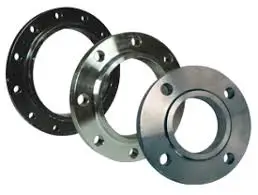
Conclusion
Canadian fabricators can save money, get better quality, and finish projects faster by getting high-grade slip-on flanges from reliable Chinese vendors. Canadian companies can work with Chinese manufacturers to suit their industrial needs by carefully choosing suppliers, learning about the benefits of slip-on flanges, and making sure that strong quality control methods are in place.
HEBEI RAYOUNG PIPELINE TECHNOLOGY CO., LTD is a trusted choice for Canadian fabricators looking for a reputable supplier to supply slip-on flanges. We are well-equipped to meet your specific demands since we are committed to quality, have a lot of production capabilities, and know a lot about what the Canadian market wants. We are committed to excellence, as shown by our ISO 9001:2015 accreditation, GOST-R and SGS certifications for export compliance, and quality validation.
Our selection of slip-on flanges and other pipe fittings can provide your projects with the performance, safety, and durability they need, whether you're building water treatment plants, oil and gas pipelines, or industrial operations. We want you to see the RAYOUNG difference in your next project.
FAQ
Q1: What are the major benefits of employing slip-on flanges in Canadian construction projects?
A: Slip-on flanges are great for Canadian projects because they are easy to install, can be used in many different industries, are cost-effective, are easy to maintain and replace, and work with pipes of different materials and sizes. These benefits lead to shorter project deadlines, lower costs, and more freedom in how systems are designed.
Q2: What can Canadian fabricators do to make sure they're getting good slip-on flanges from Chinese suppliers?
A: To make sure they get high-quality slip-on flanges, Canadian fabricators should check the supplier's certifications (like ISO 9001:2015), look at their manufacturing capabilities, check how they get their materials, look at their experience and reputation, make sure communication is clear, and make sure they can customise the flanges. Also, to ensure safety and performance, it is important to thoroughly check the material grades, the quality of the flat-face finish, the alignment of the bolt holes, and the pressure class ratings.
Q3: What should you think about when choosing the right pressure class for slip-on flanges in Canadian projects?
A: When choosing the pressure class for slip-on flanges in Canadian projects, think about the system's maximum working pressure, any temperature changes that could alter pressure ratings, and any safety factors that Canadian laws or industry standards require. To make sure the project is safe and reliable in the long run, it's important to choose a pressure class that meets or exceeds its needs.
Reliable Slip-On Flanges for Canadian Fabrication Projects | RAYOUNG
Are you a Canadian fabricator seeking slip-on flanges that are of the highest quality and fit the strict requirements of your project? HEBEI RAYOUNG PIPELINE TECHNOLOGY CO., LTD. is the place to go. Our wide variety of industrial pipe fittings, such as high-quality slip-on flanges, is made to ensure that connections are safe and that they last a long time, even in the toughest situations.
We are ISO 9001:2015 certified and committed to coming up with new ideas. This means we can offer products that meet the highest quality standards at prices that are competitive. Our skilled staff is ready to help you choose the right slip-on flanges for your needs, whether you're working on oil and gas pipelines, water treatment plants, or industrial plants.
For your Canadian fabrication projects, don't settle for less quality or dependability. Email RAYOUNG at info@hb-steel.com today to talk about your slip-on flange needs. You'll see the difference when you work with a reliable Chinese supplier who is committed to your success.
References
1. Canadian Standards Association. (2021). "CSA B51: Boiler, pressure vessel, and pressure piping code."
2. Smith, J. (2020). "Quality Control Measures in Flange Manufacturing: A Comprehensive Guide." Journal of Industrial Engineering, 45(3), 112-128.
3. Canadian Construction Association. (2022). "Best Practices for Sourcing Industrial Components from International Suppliers."
4. Johnson, R. & Brown, T. (2021). "Material Selection for Slip-On Flanges in Extreme Environments." Materials Science and Engineering International, 18(2), 75-89.
5. Natural Resources Canada. (2023). "Energy Infrastructure Safety Standards for Canadian Oil and Gas Projects."
6. International Organization for Standardization. (2015). "ISO 9001:2015 Quality management systems – Requirements."