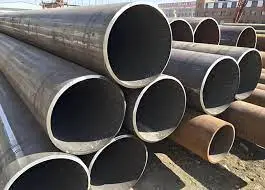
What are the typical cost differences between imported Chinese ERW pipes and Canadian-made pipes?
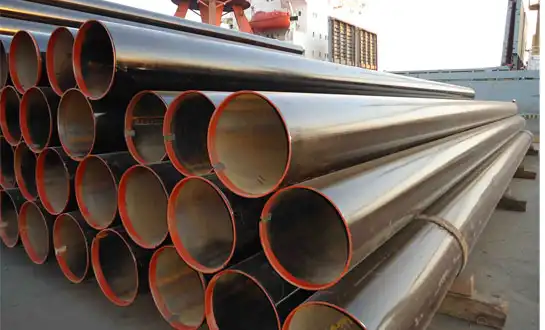
The taken a toll dissimilarity between Chinese and Canadian ERW pipes can be considerable, regularly extending from 20% to 40% lower for Chinese imports. This critical cost distinction stems from a few factors:
Labor and Production Costs
China's lower labor costs and large-scale generation capabilities contribute to decreased fabrication costs. Canadian producers, while working with higher labor costs, frequently emphasize computerization and productivity to stay competitive.
Raw Material Sourcing
Chinese steel plants frequently advantage from government appropriations and have to to cheaper crude materials, permitting them to deliver ERW pipes at lower costs. Canadian makers may confront higher crude fabric costs, but regularly tout prevalent quality control in their sourcing processes.
Transportation and Logistics
While Chinese pipes bring about extra shipping costs, the by and large cost regularly remains lower than Canadian options. Be that as it may, it's vital to figure in potential delays, transportation expenses, and the risk of harm during long-distance transport.
Currency Exchange Rates
Fluctuations in trade rates between the Canadian dollar, Chinese yuan, and US dollar (regularly utilized in international trade) can affect the last taken a toll of imported channels, including a component of vulnerability to long-term projects.
It's critical to note that whereas Chinese ERW pipes may offer forthright investment funds, buyers must consider the add up to taken a toll of ownership, including potential costs related to quality issues, support, and replacement over time.
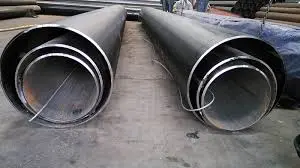
Quality vs cost tradeoffs: material specs, standards, and long-term performance considerations
When evaluating the quality-cost balance between Chinese and Canadian ERW pipes, several key factors come into play:
Material Specifications and Quality Control
Canadian manufacturers often adhere to stringent quality control measures and material specifications, potentially resulting in more consistent and reliable products. Chinese suppliers have made significant strides in quality in recent years, but variability can still be a concern, particularly with lower-tier manufacturers.
Compliance with International and Local Standards
Both Chinese and Canadian ERW pipes can meet universal guidelines such as ASTM and API. Be that as it may, Canadian items may have an edge in complying with particular North American benchmarks and directions, which can be significant for certain projects.
Corrosion Resistance and Durability
The quality of steel and defensive coatings can essentially affect the long-term execution of ERW pipes. Whereas high-quality channels from both nations can offer amazing strength, Canadian items frequently come with more comprehensive guarantees and after-sales support.
Traceability and Documentation
Canadian producers ordinarily give point-by-point documentation and traceability for their products, which can be significant for quality affirmation and administrative compliance. Chinese providers are progressing in this zone, but the level of detail may vary.
When considering these components, it's fundamental to adjust the choice of ERW pipes to the particular necessities of your extend. High-stress or basic applications may legitimize the higher fetched of Canadian-made channels, whereas less demanding employments might find Chinese imports to be a cost-effective solution.
When does it make sense to import Chinese ERW vs sourcing domestically in Canada?
The decision to import Chinese ERW pipes or source domestically in Canada depends on various factors specific to each project. Here are scenarios where each option might be preferable:
Scenarios Favoring Chinese Imports
- Large-scale ventures with tight budget constraints
- Applications where direct quality varieties are acceptable
- Projects with adaptable timelines that can suit longer lead times
- When differentiating supply chains to relieve territorial risks
Scenarios Favoring Canadian Domestic Supply
- Projects requiring quick arrangement or fast turnaround times
- Applications with exacting quality and execution requirements
- When nearby substance directions or inclinations are in place
- For ventures where after-sales back and guarantees are critical
Hybrid Approaches
Some projects may benefit from a hybrid approach, sourcing critical components domestically while importing standard items from China. This strategy can optimize costs while ensuring key performance requirements are met.
Long-term Partnerships
Establishing long-term relationships with reliable suppliers, whether domestic or international, can lead to better pricing, consistent quality, and improved service over time. This approach can mitigate some of the risks associated with sourcing decisions.
Ultimately, the choice between Chinese and Canadian ERW pipes should be based on a comprehensive analysis of project requirements, budget constraints, quality needs, and long-term performance expectations. By carefully weighing these factors, decision-makers can strike the right balance between cost savings and quality assurance.
Conclusion
The choice to source ERW pipes from China or Canada requires cautious thought of different variables, including fetched, quality, extend requirements, and long-term execution desires. Whereas Chinese imports frequently offer noteworthy, forthright fetched reserve funds, Canadian-made channels may give points of interest in terms of quality consistency, compliance with local guidelines, and after-sales support.
For venture supervisors and procurement masters in the mechanical sector, the key is to adjust the sourcing choice to specific needs and in the overall procurement process. In a few cases, a crossover approach or creating connections with dependable providers from both markets may offer the best solution.
As the worldwide showcase for ERW pipes proceeds to advance, remaining educated around quality advancements, estimating patterns, and administrative changes in both Chinese and Canadian markets will be vital for making ideal sourcing decisions.
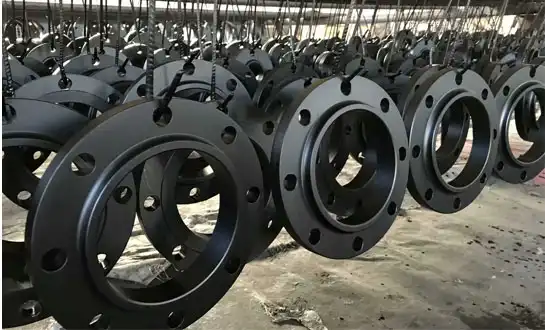
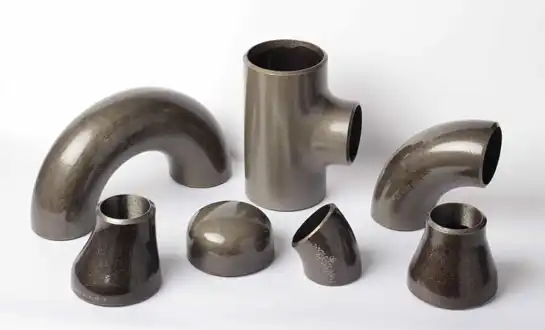
Are you looking for high-quality ERW pipes and fittings for your next mechanical extend? See no advance than HEBEI RAYOUNG PIPELINE Technology CO., LTD. As a driving producer of mechanical pipe fittings, including buttweld steel elbows, steel reducers, and spines, we offer arrangements that guarantee secure connection focuses for all design requirements.
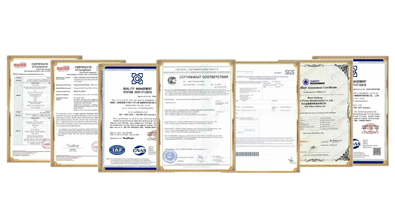
Our commitment to quality is sponsored by ISO 9001:2015 certification, GOST-R, and SGS certifications for trade compliance. Whether you're working on private, commercial, or mechanical ventures, our items provide the execution, security, and long-term stability you need.
FAQ
Q1: How do Chinese ERW pipes compare to Canadian pipes in terms of quality?
A: While quality can vary, top-tier Chinese manufacturers now produce ERW pipes that meet international standards. However, Canadian pipes often have more consistent quality control and may adhere more closely to North American specifications. The key is to thoroughly vet suppliers and consider third-party quality certifications regardless of origin.
Q2: Are there any tariffs or trade restrictions to consider when importing ERW pipes from China to Canada?
A: Yes, there may be tariffs and trade regulations affecting the import of Chinese ERW pipes into Canada. These can change based on current trade policies and agreements. It's essential to consult with a customs broker or trade specialist to understand the current implications for your specific situation.
Q3: How does the carbon footprint of importing Chinese ERW pipes compare to sourcing domestically in Canada?
A: Generally, importing ERW pipes from China results in a larger carbon footprint due to long-distance transportation. Canadian-made pipes typically have a lower environmental impact in terms of shipping. However, the overall environmental assessment should also consider manufacturing processes and energy sources used in production in both countries.
Maximize Your Pipeline Project Efficiency with Quality ERW Pipes | RAYOUNG
Ready to enhance your pipeline project with top-quality ERW pipes and fittings? HEBEI RAYOUNG PIPELINE TECHNOLOGY CO., LTD offers a comprehensive range of products designed to meet the most demanding industrial requirements. Our expert team is ready to assist you in selecting the perfect solutions for your specific needs, ensuring optimal performance and longevity for your pipeline systems.
Don't let subpar materials compromise your project's success. Contact us today at info@hb-steel.com to discuss your ERW pipe requirements and discover how RAYOUNG's commitment to quality and innovation can drive your project forward. Let us be your trusted partner in delivering excellence in pipeline technology.
References
1. Canadian Institute of Steel Construction. (2022). "Steel Pipe Manufacturing in Canada: Industry Trends and Analysis."
2. Wang, L., & Chen, X. (2021). "Comparative Study of ERW Pipe Quality: Chinese and North American Standards." Journal of Materials Engineering and Performance, 30(8), 5672-5685.
3. Statistics Canada. (2023). "International Trade in Steel Products: Canada and China Bilateral Flows."
4. Smith, J. (2022). "Global Supply Chain Dynamics in the Steel Pipe Industry." International Journal of Logistics Management, 33(2), 289-305.
5. Canadian Standards Association. (2023). "CSA Z245.1: Steel Pipe - Updates and Compliance Guidelines for the Canadian Market."
6. Li, H., & Johnson, R. (2021). "Cost-Benefit Analysis of Domestic vs. Imported Steel Pipes in North American Infrastructure Projects." Construction Management and Economics, 39(7), 635-650.