How to Identify Pipe Flange Dimensions in Existing Systems
Identifying accurate flange dimensions in existing piping systems requires systematic measurement and understanding of international standards. The process involves measuring key parameters, including outside diameter, bolt circle diameter, thickness, and bolt hole count. These critical flange dimensions determine compatibility across industrial applications and ensure proper system integration. Whether working with ANSI, DIN, or ISO standards, precise dimensional identification prevents costly procurement errors and maintains system integrity throughout project lifecycles.
Understanding the Basics of Pipe Flange Dimensions
Critical Dimensional Parameters for System Compatibility
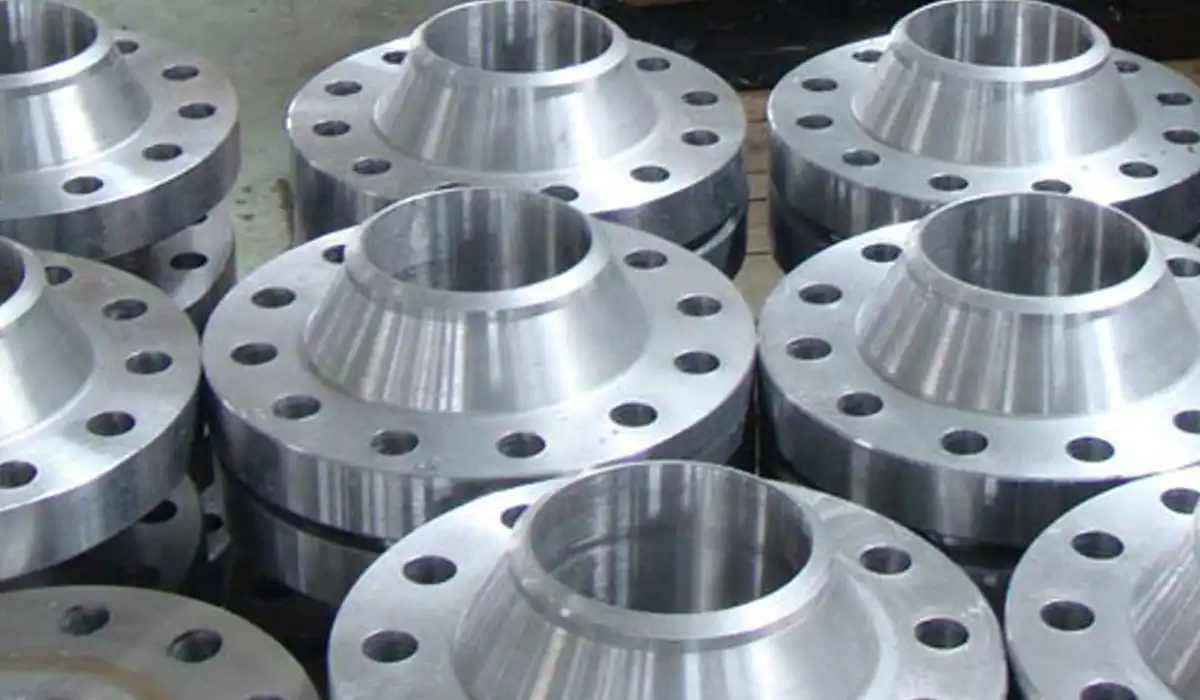
The foundation of successful flange identification lies in understanding five essential dimensional parameters that determine compatibility across industrial piping systems. The outside diameter represents the total outer width of the flange body, while the bolt circle diameter (BCD) measures the distance between opposing bolt holes from center to center.Flange thickness affects structural integrity and pressure handling capabilities, particularly important when dealing with high-pressure applications in the oil and gas industries. Bolt hole count and diameter directly impact installation procedures and gasket selection. The nominal bore size corresponds to the internal pipe diameter, ensuring proper flow characteristics within the system. These parameters work together to create a dimensional profile that must match precisely during maintenance or expansion projects.
Global Standards Framework and Specifications
International flange standards ensure dimensional consistency across global supply chains. In North America, most products are made to ASME B16.5 standards, which list pressure classes from Class 150 to Class 2500 and the sizes that must be met. European DIN standards provide metric-based specifications that are often used in foreign projects. ISO standards, on the other hand, make sure that requirements from different regions can work together. When procurement teams understand these standards, they can find the right size requirements without having to rely only on physical measures. Each standard includes specific tolerance values that allow for minor differences in manufacturing while maintaining universal system compatibility.
Common Flange Types and Their Dimensional Characteristics
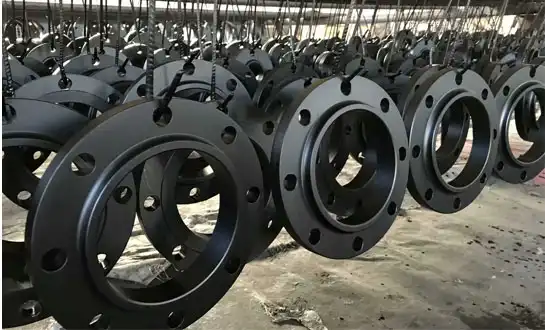
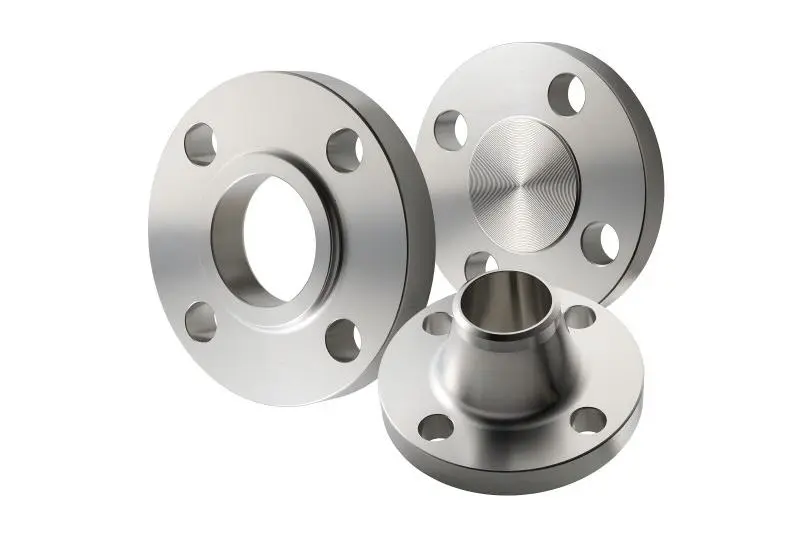
Different flange types exhibit unique flange dimensions and characteristics that affect measurement approaches and procurement decisions. Weld neck flanges feature extended hubs that require additional length measurements, while slip-on flanges present simpler dimensional profiles. Blind flanges eliminate the bore dimension but maintain all external measurements for system closure applications. Socket weld flanges incorporate internal dimensional features that affect compatibility with specific pipe schedules. Threaded flanges require thread specification identification alongside standard dimensional parameters. Understanding these variations ensures accurate identification and prevents procurement errors that could compromise project timelines and safety requirements.
Identifying Flange Dimension Standards in Existing Systems
Comparative Analysis of International Standards
Distinguishing between ANSI, DIN, and ISO standards requires understanding their fundamental dimensional differences and bolt pattern variations. ANSI standards utilize imperial measurements with pressure class designations, while DIN standards employ metric dimensions with PN (pressure nominal) ratings. ISO standards often bridge these systems, providing compatibility matrices for international projects. The bolt pattern identification provides immediate clues about the applicable standard. ANSI flanges typically use inch-based bolt circle diameters, while DIN flanges employ metric spacing. Pressure class correlations differ significantly between standards, requiring careful cross-reference to ensure proper material selection and system compatibility.
Utilizing Dimension Charts and Technical Documentation
Professional dimension charts serve as essential tools for rapid flange identification in field conditions. These charts correlate measured dimensions with standard specifications, enabling quick determination of pressure ratings and compatibility requirements. Technical diagrams illustrate proper measurement techniques and highlight critical dimensional relationships that affect system performance. Effective chart utilization requires understanding measurement precision requirements and tolerance allowances. Digital dimension databases provide enhanced search capabilities, allowing users to input multiple parameters for accurate identification. Modern procurement teams increasingly rely on mobile applications that combine dimension charts with camera-based measurement tools for field verification.
Matching Requirements with System Specifications
Successful flange identification extends beyond dimensional measurement to encompass system pressure requirements and material compatibility. Pressure ratings must align with operating conditions, while material specifications ensure corrosion resistance and temperature stability. The integration of dimensional data with system requirements prevents over-specification that increases costs and under-specification that compromises safety. Temperature considerations affect material expansion and dimensional stability, particularly in high-temperature applications. Chemical compatibility requirements may dictate specific material grades that influence dimensional availability. Understanding these relationships enables informed procurement decisions that balance performance requirements with cost considerations.
Challenges and Solutions in Measuring Flange Dimensions in Existing Systems
Overcoming Common Measurement Obstacles
Existing systems present unique challenges that complicate accurate dimensional identification. Corrosion and wear can obscure critical measurement points, while paint and coatings may add thickness that affects accuracy. Limited access in confined spaces restricts measurement tool options and requires creative approaches to obtain reliable data.
Here are proven strategies for overcoming measurement challenges in industrial environments:
• Surface preparation techniques: Removing corrosion and coatings from measurement surfaces using appropriate cleaning methods while avoiding damage to base materials. This process typically requires 15-30 minutes per flange but ensures measurement accuracy within industry tolerance standards.
• Specialized measurement tools: Employing inside calipers for bore measurements, outside calipers for external flange dimensions, and depth gauges for thickness verification. Digital calipers provide enhanced precision and data recording capabilities for complex measurement scenarios.
• Multiple measurement verification: Taking measurements at different points around the flange circumference to account for wear patterns and deformation. Statistical analysis of multiple readings provides confidence levels for procurement decisions.
These comprehensive measurement approaches significantly reduce identification errors and support reliable procurement processes throughout project lifecycles.
Advanced Measurement Technologies and Techniques
Modern measurement technologies offer enhanced precision and documentation capabilities for challenging identification scenarios. 3D scanning systems capture complete dimensional profiles, creating digital models that support remote analysis and verification. Laser measurement tools provide non-contact accuracy in environments where physical access remains limited. Template creation using flexible materials enables accurate dimensional transfer from existing flanges to procurement specifications. Digital photography with measurement references supports remote consultation and verification processes. These technologies particularly benefit large-scale projects where multiple flange identifications require consistent documentation standards.
Real-World Application Case Studies
A recent petrochemical facility expansion project encountered 47 existing flanges requiring identification for system integration. Traditional measurement approaches faced challenges due to elevated installation positions and corrosive environmental exposure. Implementation of laser measurement tools combined with digital documentation reduced identification time by 60% while improving accuracy to within 0.5mm tolerance requirements. Manufacturing facility modernization projects often involve legacy flanges manufactured to obsolete standards. Successful identification strategies combine historical documentation research with precise measurement verification. Digital dimension databases enable cross-referencing between current standards and legacy specifications, supporting seamless integration planning.
Integrating Flange Dimension Identification into Procurement Processes
Streamlining Procurement Workflows Through Accurate Identification
Accurate measurement identification changes how efficiently goods are bought by getting rid of uncertainty in specifications that lead to delays and higher costs. Standardised measurement methods make sure that all project teams have the same high-quality data, and digital documentation lets orders be made automatically. Integration with inventory management systems lets you check supply in real time and make the best use of delivery schedules. By getting rid of delays in verifying specifications, procurement workflow integration cuts the time it takes to place an order from weeks to days. Digital measurement data helps suppliers talk to each other and cuts down on the need for technical explanation.By automatically cross-referencing field measurements against supplier catalogs, dimensional compatibility mistakes that lead to costly returns and project delays can be avoided.
Sourcing Reliable Suppliers with Verified Technical Documentation
Along with price and shipping time, traditional factors like dimensional accuracy and quality of documentation must be given top priority when choosing a supplier. Certified suppliers give thorough reports on verifying dimensions that meet quality assurance standards. Measurement certificates, material specifications, and proof of standard compliance should all be part of technical paperwork. Supplier relationships that have been in place for a while allow for collaborative dimension verification methods that improve accuracy and lower the risk of procurement. When you integrate a digital catalogue, it can automatically match dimensions and check specifications. Supplier auditing programs make sure that standards for dimensional accuracy are always followed throughout the supplier relationship.
Custom Flange Fabrication and Lead Time Considerations
Custom manufacturing solutions are often needed for non-standard sizes, which can affect project timelines and costs. Getting a custom flange requires more engineering review steps and longer wait times for production. The costs are very different depending on the amount needed and how complicated the dimensions are. Collaboration between engineers during the planning phase improves the specifications for custom flanges so that they are easier to make and cost less. Lead times are affected by the availability of materials, especially for rare alloys or big sizes. As part of quality control for custom flanges, measurements must be checked, and materials must be certified, which can cause shipping times to be pushed back.
Conclusion
To correctly identify flange dimensions, you need to know about worldwide standards, use the right measuring tools, and build partnerships with dependable suppliers. Using measurement identification in the buying process greatly lowers project risks and makes sure that systems work together and safety rules are followed. Modern tools for measuring and documenting digitally improve the accuracy and speed of large industrial projects. To be successful, you need to have both professional knowledge and good relationships with suppliers who put customer service and accurate measurements first. RAYOUNG is the best partner for your dimensional accuracy needs and procurement success because we offer a wide range of flange options and have a lot of technical knowledge.
FAQ
1. How do you convert flange measurements between metric and imperial units?
Converting between metric and imperial measurements requires precise conversion factors to maintain dimensional accuracy. Multiply metric measurements by 0.03937 to convert to inches, or multiply inch measurements by 25.4 to convert to millimeters. Always round conversions to appropriate precision levels based on manufacturing tolerances and application requirements.
2. What are typical dimensional tolerances for ASME standard flanges?
ASME B16.5 standards specify dimensional tolerances ranging from ±1.6mm for smaller flanges to ±3.2mm for larger dimensions. Bolt circle diameter tolerances typically remain within ±0.8mm, while thickness tolerances vary based on pressure class requirements. These tolerances ensure proper gasket sealing and bolt engagement across manufacturing variations.
3. How can flange dimension charts help identify unknown flanges?
Dimension charts provide systematic comparison tools that correlate measured parameters with standard specifications. Input measured outside diameter, bolt circle diameter, and bolt hole count into the chart matrices to determine probable standards and pressure ratings. Cross-reference multiple parameters to confirm identification accuracy and eliminate specification uncertainties.
Partner with RAYOUNG for Expert Flange Dimension Solutions
Ready to streamline your flange procurement process with precision-certified solutions? RAYOUNG's experienced team provides comprehensive support for flange dimension identification and supply requirements. As leading pipes and fittings manufacturers, we offer detailed technical consultation, verified dimensional documentation, and customized fabrication capabilities tailored to your project specifications. Contact our flange dimensions supplier team at info@hb-steel.com to discuss your requirements and discover how our ISO-certified quality systems and competitive bulk ordering advantages can enhance your procurement efficiency and project success.
References
1. American Society of Mechanical Engineers. "ASME B16.5 Pipe Flanges and Flanged Fittings: Dimensional Standards and Tolerance Requirements." ASME International, 2020.
2. Deutsches Institut für Normung. "DIN 2632 Steel Flanges: Dimensional Specifications and Pressure Rating Classifications." DIN Standards Committee, 2019.
3. International Organization for Standardization. "ISO 7005-1 Metallic Flanges: Steel Flanges for Industrial Piping Systems." ISO Technical Committee, 2021.
4. Becht Engineering Company. "Flange Design and Analysis: Dimensional Accuracy Impact on System Integrity." Journal of Pressure Vessel Technology, 2020.
5. Petrochemical Industries Association. "Best Practices for Flange Measurement and Identification in Existing Systems." Industrial Maintenance Quarterly, 2021.
6. National Institute of Standards and Technology. "Precision Measurement Techniques for Industrial Pipe Fitting Identification." NIST Technical Publication, 2019.

Need a quote? Want to see samples? Just say hello. We’re friendly. We’re fast. And we’re ready when you are.
Welcome to RAYOUNG – Strong Pipes, Stronger Promise