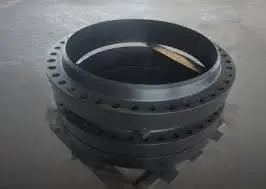
What makes Chinese slip-on flanges suitable for Thailand fabrication projects?
Chinese slip-on flanges have gained popularity among Thai fabricators for several compelling reasons:
Cost-effectiveness without compromising quality
Chinese producers can keep their prices low by using advanced production methods, automatic equipment, and economies of scale. This saves money and helps Thai makers better control project budgets without affecting the quality or stability of the products they make. Long-term contracts are less risky when prices are stable because they reduce financial instability. This lets producers bid more competitively while still finding high-quality parts that meet technical and safety standards for a wide range of industry uses.
Wide range of material options
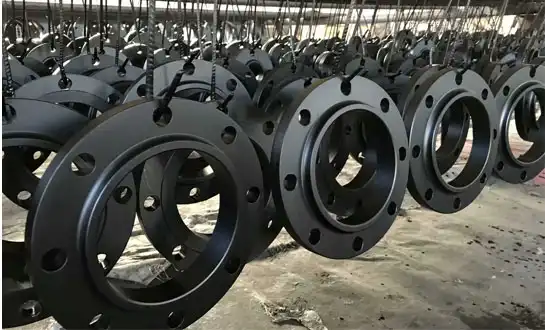
Slip-on flanges from Chinese providers are usually available in a lot of different materials and types. These include carbon steel, stainless steel, alloy steel, and more. Thai manufacturers can carefully match the qualities of flanges to specific working conditions, like places that are toxic, high temperatures, or high-pressure systems, thanks to the wide range of materials they can use. Having a lot of choices from one source makes buying easier and helps with planning projects more efficiently.
Adherence to international standards
Reliable Chinese flange makers make sure their goods meet standards that are known around the world, like ASME, DIN, and JIS. Following these rules guarantees accurate measurements, consistent materials, and dependable performance in real-world situations. For Thai manufacturers, this means that their work will be compatible with global pipe systems. It also makes the inspection and approval processes easier and lowers the risk of installation problems or expensive repairs during the manufacturing and assembly stages.
Customization capabilities
Many Chinese suppliers provide flexible customisation services, allowing Thai fabricators to specify exact dimensions, tolerances, surface finishes, or material grades that may not be available as standard products. This capability is especially beneficial for specialised or complex projects requiring precise engineering solutions. Customisation helps improve system integration, enhances performance reliability, and enables fabricators to meet unique client or regulatory requirements without compromising timelines or quality expectations.
Key specifications Thai buyers must confirm before placing slip-on flange orders
To ensure the suitability of slip-on flanges for their projects, Thai buyers should verify the following specifications:
Material grade and composition
Make sure the flange material is strong enough, doesn't rust, and can handle a range of temperatures for the job. Carbon steel flanges are usually made to ASTM A105, and stainless steel flanges are usually made to ASTM A182.
Dimensional accuracy
Make sure that the flange's hole size, outside diameter, and width meet the project's requirements and the standards that were set. Getting accurate readings is important for a good fit and usefulness.
Pressure rating
Make sure that the pressure class of the flange is right for the situation in twhichit will be used. Most of the time, this is given in pound ratings (like 150#, 300#, or 600#) or PN values for metric systems.
Surface finish
Name the surface finish you need, as it can affect how well the seal works and how resistant it is to rust. As-cast, polished, or special finishes for better security are some of the options.
Marking and traceability
Make sure that the material grade, size, pressure rating, and heat number are written correctly on the flanges so that they can be tracked. This information is very important for maintaining quality and checking it again in the future.
Flange face type
Specify the appropriate flange face type, such as raised face, flat face, or ring-type joint, based on the mating components and sealing requirements of the system.
Supplier selection checklist: Certifications, CNC machining capability, and QC process
When choosing a Chinese supplier for slip-on flanges, Thai fabricators should consider the following factors:
Relevant certifications
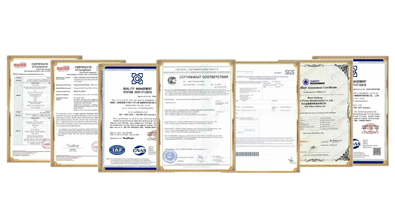
Look for suppliers with recognised certifications that demonstrate their commitment to quality and international standards. Key certifications include:
- ISO 9001:2015 for quality management systems
- API 6A for the petroleum and natural gas industry standards
- PED 2014/68/EU for pressure equipment directive compliance
Advanced CNC machining capabilities
Evaluate the supplier's machining capabilities, including:
- State-of-the-art CNC lathes and milling machines for precise flange production
- Capacity to handle various flange sizes and materials efficiently
- Ability to maintain tight tolerances and surface finish requirements
Robust quality control processes
Assess the supplier's quality control measures, such as:
- In-house testing facilities for material composition and mechanical properties
- Non-destructive testing capabilities (e.g., ultrasonic, magnetic particle inspection)
- Comprehensive inspection procedures at each stage of production
- Documentation and reporting systems for quality assurance
Production capacity and lead times
Consider the supplier's ability to meet your volume requirements and delivery schedules. Factors to evaluate include:
- Manufacturing capacity and typical lead times for standard and custom orders
- Inventory management practices for commonly requested flange types and sizes
- Flexibility to accommodate urgent or large-volume orders
Technical support and communication
Assess the supplier's ability to provide technical assistance and maintain clear communication:
- Availability of engineering support for product selection and customisation
- Responsiveness to inquiries and ability to provide detailed product information
- English language proficiency for effective communication with Thai buyers
Track record and references
Investigate the supplier's reputation and performance history:
- Request references from other Thai fabricators or international clients
- Review case studies or project portfolios demonstrating experience in relevant industries
- Check for any history of quality issues or delivery delays
By thoroughly evaluating these aspects, Thai fabricators can select a Chinese slip-on flange supplier that not only meets their immediate needs but also supports their long-term project success and quality objectives.
Conclusion
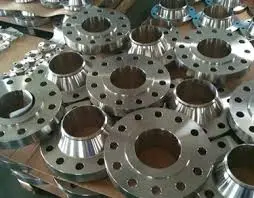
Thailand makers need to make sure they get slip-on flanges from the right Chinese seller for their projects to go well, stay within budget, and be of high quality. Thai buyers can build trusting relationships with Chinese sellers by carefully considering things like the types of materials used, the factories' skills, the quality control methods, and certificates. They can use the strengths of China's manufacturing sector with this strategy, as long as they keep the high standards needed for their production projects.
Thailand manufacturers looking for a reliable slip-on flange supplier can find one at HEBEI RAYOUNG PIPELINE TECHNOLOGY CO., LTD. They have a wide selection of high-quality goods that are backed by strict quality control and international certifications. Because we know a lot about industrial pipe fittings, like slip-on flanges, we can meet all of Thailand's manufacturing industry's needs. Our goods meet the efficiency, safety, and longevity needs of important infrastructure projects, from water systems to industrial plants.
Frequently Asked Questions
1. What are the advantages of using slip-on flanges in fabrication projects?
Slip-on flanges have many benefits, such as being cheap, easy to install, and flexible in where they are placed. They work well in situations where parts need to be taken apart often, and when placed correctly, they provide a strong cover. Slip-on flanges are also very flexible and can be used with a wide range of pipe materials and pressures.
2. How do Chinese slip-on flange suppliers ensure consistent quality across large orders?
Reliable Chinese providers make sure the quality stays high by using strict quality control methods such as testing the materials, checking the sizes, and using non-destructive testing. They follow international standards and often use modern CNC cutting to make sure their products are accurate. A lot of companies also use strict quality control systems that are ISO 9001:2015 approved to make sure that all of the production batches are the same.
3. What should Thai fabricators consider when comparing prices from different Chinese slip-on flange suppliers?
When comparing prices, Thai fabricators should consider the total cost of ownership, not just the unit price. Factors to evaluate include material quality, manufacturing precision, certifications, shipping costs, and potential customs duties. It's also important to assess the supplier's reliability, lead times, and after-sales support, as these can impact overall project costs and timelines.
Quality Slip-On Flanges for Thailand's Industrial Projects | RAYOUNG
HEBEI RAYOUNG PIPELINE TECHNOLOGY CO., LTD is your trusted partner for high-quality slip-on flanges and other industrial pipe fittings. Our products are manufactured to meet the highest international standards, ensuring reliability and performance in your projects. With our extensive range of materials and sizes, we can cater to diverse industrial applications across Thailand.
Experience the RAYOUNG difference with our commitment to quality, competitive pricing, and exceptional customer service. Our team of experts is ready to assist you in selecting the right slip-on flanges for your specific needs. Don't settle for less when it comes to critical components for your fabrication projects.
Contact us today at info@hb-steel.com to discuss your requirements or request a quote. Let RAYOUNG be your reliable source for slip-on flanges and contribute to the success of your industrial endeavours in Thailand.
References
1. Thai-Chinese Chamber of Commerce. (2023). "Industrial Collaboration Between Thailand and China: Pipe Fitting Industry Report."
2. ASME B16.5. (2020). "Pipe Flanges and Flanged Fittings: NPS 1/2 through NPS 24 Metric/Inch Standard."
3. Thailand Board of Investment. (2022). "Opportunities in Thailand's Manufacturing Sector: Focus on Industrial Components."
4. International Trade Administration. (2023). "Thailand Country Commercial Guide: Industrial Equipment Sector."
5. Journal of Industrial Engineering. (2021). "Quality Control Practices in Flange Manufacturing: A Comparative Study of Chinese and Southeast Asian Suppliers."
6. Asian Development Bank. (2022). "Infrastructure Development in Southeast Asia: Trends and Opportunities in Piping Systems."