Buy Steel Tees from China for Jordan Infrastructure Projects
It is very important to pick the right parts when building strong infrastructure in Jordan. Steel tees are very important for making branch lines and connecting pipes in all kinds of systems. For project managers and experts in charge of building infrastructure in Jordan, getting high-quality steel tees from China is a great way to save money and ensure that the project goes well. This piece talks about why buying Chinese-made steel tees for Jordan's infrastructure projects would be a good idea. It also goes over important things to keep in mind and suggests ways to be sure that the project goes well.
The Importance of Quality Steel Tees in Infrastructure Development
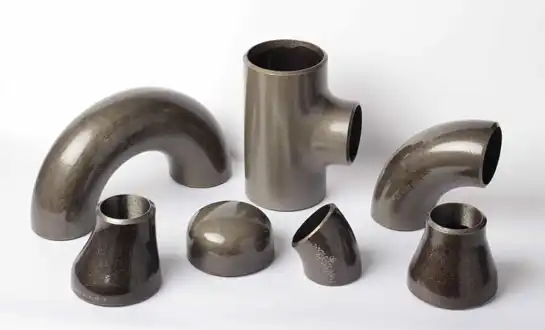
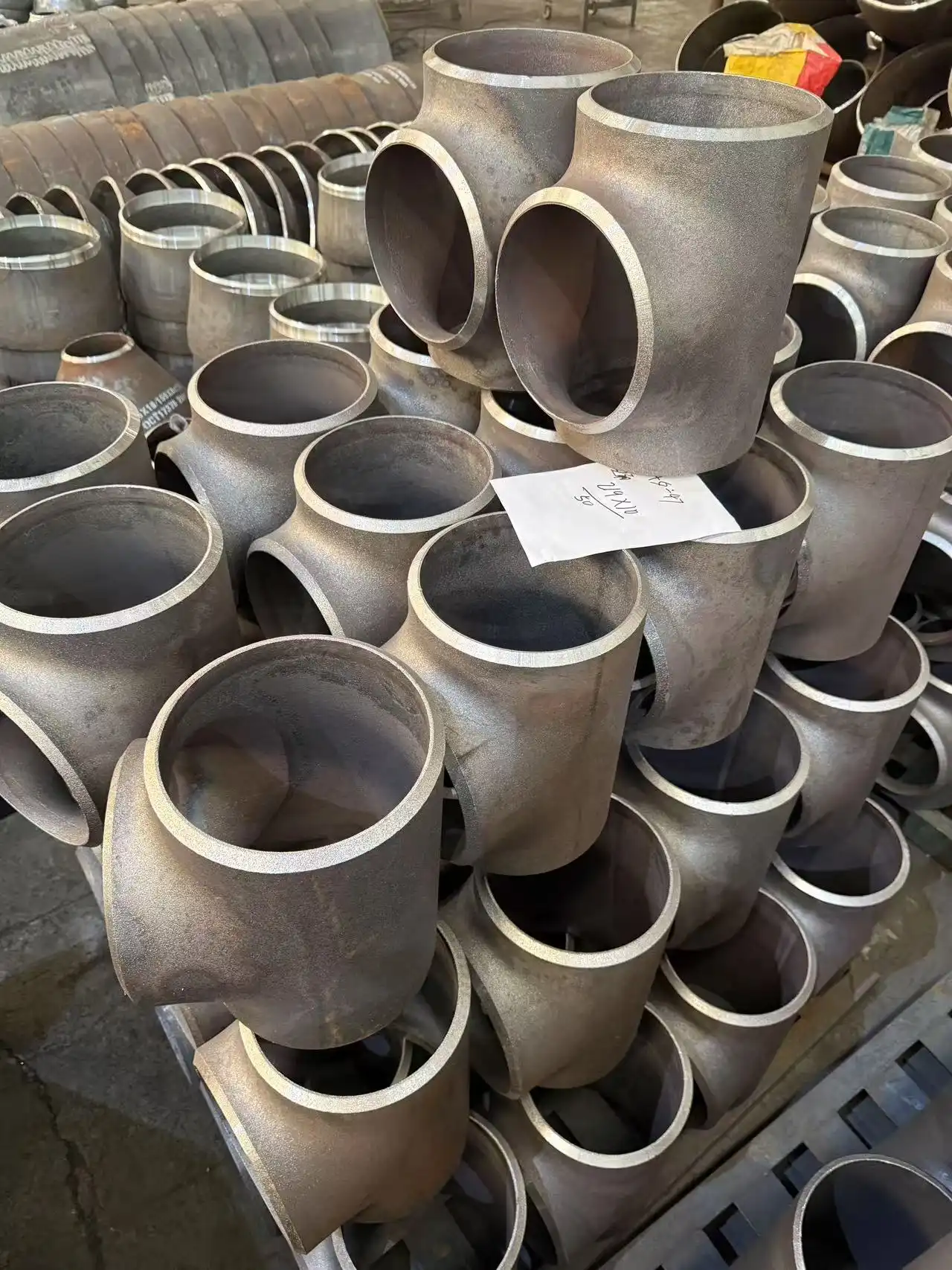
Steel tees are very important parts of pipe systems because they make it possible for fluids and gases to flow in different directions and create branch lines. In Jordan's infrastructure projects, these parts are very important to make sure that water networks, sewage systems, industrial pipes, oil and gas transportation, and HVAC systems in big buildings all work. Because these networks often have to work in different pressures, temperatures, and environmental conditions, the strength and dependability of steel tees are very important for making sure that they always work well. Quality tees help avoid leaks, system failures, and long-term upkeep costs. The exact production they do also makes sure that the parts are lined up correctly and the flow is evenly distributed. These are very important for the system to work well. Project managers can be sure that their infrastructure stays strong and costs stay low by using good Chinese steel tees. This choice finally lengthens the lifespan of important public and industrial utilities.
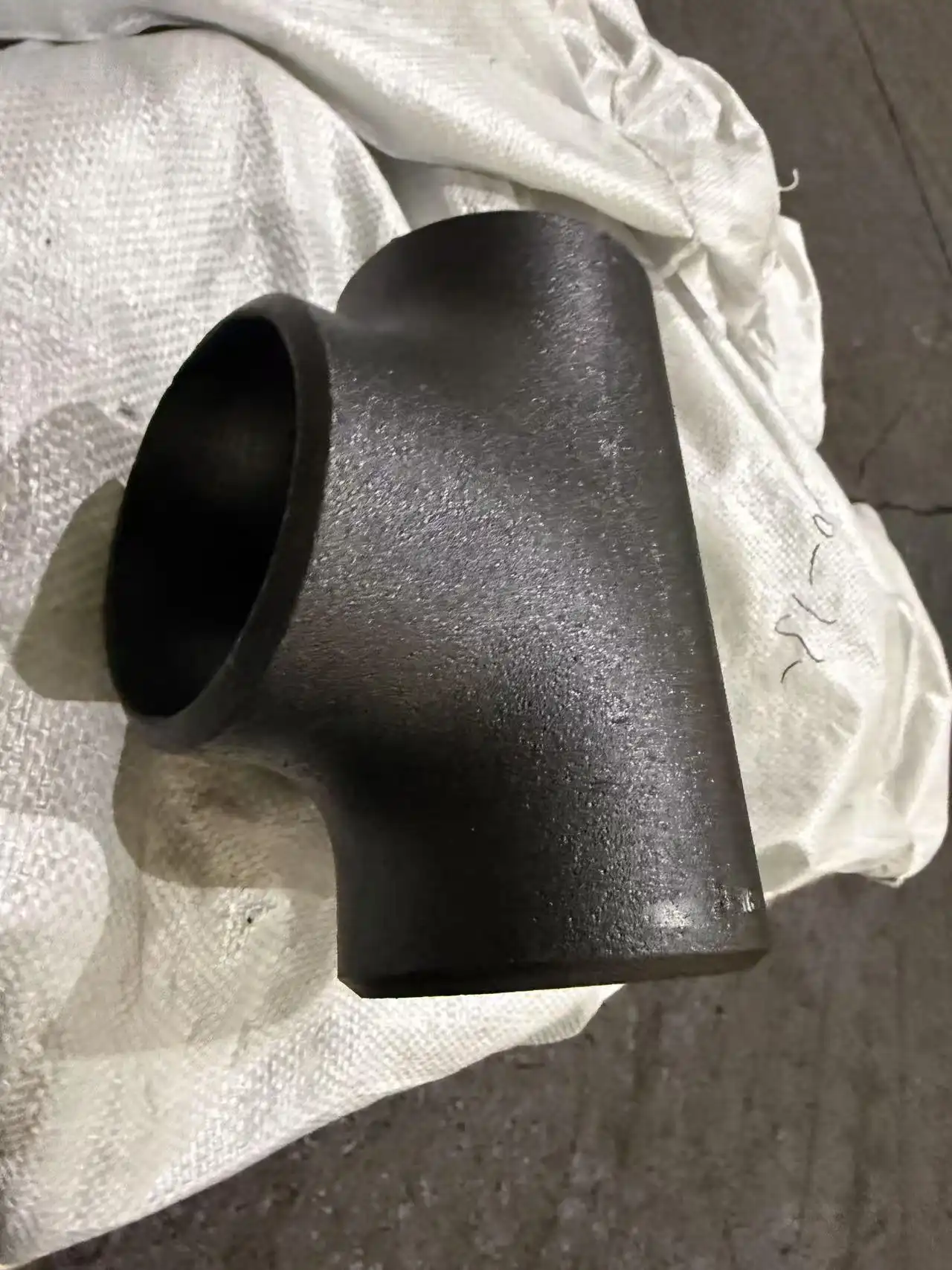
Key Features of Premium Steel Tees
When Jordan's building projects get steel tees, they need to have these things:
- As a result of being used in water supply lines, sewage systems, or industrial pipes, steel tees are often in tough conditions that can slowly break down the material. For this reason, corrosion resistance is one of the most important features. Alloys that are made to resist wetness, chemicals, and changing pH levels are usually used to make high-quality tees. This makes sure they are reliable in the long term.
- Another important need, since different systems can handle different amounts of pressure, is a pressure number that works for the job. Choosing tees that can handle the right amount of pressure stops leaks, deformation, and system breakdowns.
- It's also important that the wall width is right. Thicker walls make the structure stronger and help it last longer, especially when there is a lot of weight or pressure.
- A pipeline system's smooth internal surface for best flow helps keep the fluid or gas moving quickly by lowering friction, stopping clogging, and supporting efficient movement.
- Following international standards (like ASME and ASTM) ensures that the tees meet global performance standards. This helps safety and compatibility with different project designs.
- Steel tees that meet or go beyond these specifications are frequently produced by Chinese companies with a good name in the industry, making them a great option for Jordan's infrastructure.
Advantages of Sourcing Steel Tees from China
There are a number of good reasons for China's Jordan to buy steel tees for its building projects:
- Cost-effectiveness: Chinese manufacturers often offer lower prices without hurting quality, which lets project managers get the most out of their funds. The cost is low because of production on a large scale, high-tech manufacturing methods that cut costs, and supply chains that work well. This means that buyers can get steel tees that are durable and work well while also being able to make changes to their budget as the job goes on.
- Production capacity: China's huge production base ensures that there is always a supply of steel tees, even for big projects. Buyers get shorter lead times and a steady supply because many factories are set up to handle big orders. This level of production keeps the risk of delays or shortages low, which ensures that Jordanian building projects can keep going and stay on schedule.
- A lot of choices: To meet the needs of different projects, Chinese suppliers usually provide many different sizes, materials, and specs for steel tees. No matter if the job needs carbon steel, stainless steel, or other special metals, makers can offer custom choices. This wide range lets engineers and project managers choose parts that work with system pressures, environmental conditions, and their hopes for long-term performance.
- Advanced production techniques: A lot of Chinese factories use the newest tools and methods, which make high-quality, exact fittings. Using CNC machining, automated forging, and improved heat-treatment methods can make products more consistent and reliable. These new inventions help make the structure more sound, and make sure the steel tees work well even when conditions are tough.
- Export knowledge: When established Chinese manufacturers deal with foreign trade, it makes it easier for buyers in Jordan to get what they need. Their knowledge of shipping logistics, export paperwork, and international quality standards makes it easier for them to handle deals. This experience lowers the risk of problems happening, which makes the overall process of buying things for foreign project stakeholders quicker, more trustworthy, and easier to use.
Overcoming Potential Challenges
- Getting steel tees from China has a lot of benefits, but some problems might come up that should be considered:
- Quality control is still one of the most important things to think about, since making sure that products are always of the same quality affects how well and how safely building systems work. To lower this risk, project managers should work with suppliers that have strict quality management systems, hold certifications that are known around the world, and give detailed inspection reports for each batch.
- Language barriers and time zone differences can also make communication hard. Working with manufacturers or distributors that have experienced English-speaking staff helps make sure that everyone clearly understands technical specs, delivery schedules, and customization needs.
- Logistics is another thing that needs to be carefully planned because shipping goods across borders can mean longer wait times, delays at the port, or difficult customs processes. Working with trustworthy freight forwarders and setting up clear buying timelines can help keep projects on track.
- Project managers can get the most out of buying steel tees from China and avoid problems by taking care of these things ahead of time.
Best Practices for Selecting Chinese Steel Tee Suppliers
To make sure that getting steel tees from China for Jordan's infrastructure projects goes smoothly, keep these tips in mind:
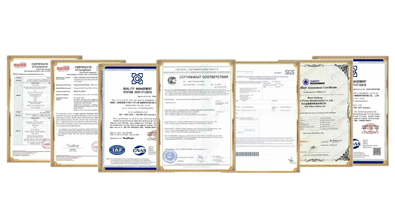
- Check to see if they are qualified: Find providers that have the right certifications (like ISO 9001 or API) and experience shipping goods to the Middle East. This step helps make sure that the producer follows high standards that are accepted around the world and has experience meeting the needs of customers from other countries. Since certifications show that tools, materials, and finished goods are regularly checked, you are less likely to get poor-quality fits. When you work with certified suppliers, you can be sure that the steel tees they give will meet the needs of the project and work well in the conditions they will be under.
- Ask for samples: Get some steel tee samples and try them to make sure they are compatible with the quality and specifications of your project. Before placing a full order, a sample evaluation gives engineers the chance to check the dimensions, material properties, and general quality of the work. It also helps make sure that the fittings will work perfectly with current building plans and meet safety and performance standards. Project managers can avoid mistakes that cost a lot of money and make better buying decisions by looking at samples early on in the sourcing process.
- Do your homework: Look into possible sources carefully, looking at their customer reviews, quality control methods, and how they make their products. A close look at the provider gives useful information about how reliable they are and how consistent their production is. You can figure out if they can meet your standards for volume, quality, and delivery by learning about their plant size, machinery, testing equipment, and past projects. Looking at comments from other buyers shows even more how the supplier deals with communication, resolving issues, and building long-term relationships.
- Negotiate the details: Make sure people understand the payment terms, shipping schedules, and warranty conditions so there are no mistakes. Clear agreements help keep shipments and installations on time, avoid surprise costs, and keep everyone out of disagreements. Setting agreed-upon terms for deposits, final payments, and logistics makes deals easier to handle. Buyers are also protected by clear insurance coverage, which ensures that broken items can be fixed or exchanged. This lowers the risk for the entire project timeline.
- Think about review by a third party: Before shipping, have a well-known inspection agency do quality checks to make sure they meet your needs. Dimensions, materials, markings, packing, and test results can be checked by independent inspectors, who give an unbiased report on the batch. This extra layer of supervision helps find problems early on and protects project managers from getting steel tees that are not legal or are badly made. Third-party inspection improves quality assurance and helps the buying process become more reliable.
Leveraging Technology for Supplier Selection
New tools that make the procurement process more open, quick, and correct can really help when it comes to choosing a seller. Project managers can look at large source databases, compare technical specs, check certifications, and read customer reviews before contacting someone when they use online B2B platforms. With video calls and real-time walkthroughs, virtual factory tours make it possible to see how things are made, the quality of the equipment, and how the workflow works without having to fly to another country. Also, digital collaboration tools make conversation easier by letting people share documents, drawings, and technical information more quickly, which lowers the chance of misunderstandings. These technologies also help with structured project tracking, which makes sure that all updates, agreements, and quality checks are logged and can be quickly accessed. By using these digital tools, project managers can greatly improve how well they understand suppliers, speed up the time it takes to make decisions, and finally choose Chinese steel tee makers that fit Jordan's infrastructure needs the best.
Conclusion
When managers in Jordan work on building projects, they can get great steel tees from China. By choosing trustworthy suppliers and following common sense buying advice, project leaders can get reliable, cheap parts that meet the strict needs of today's infrastructure building. As Jordan continues to put money into its future, the smart choice to buy steel tees from China can help these important projects succeed and continue in the long term.
FAQ
Q1: What are the most popular materials used in infrastructure projects for steel tees?
A: Carbon steel, stainless steel, and alloy steel are the most popular materials used for steel tees in infrastructure projects. The choice relies on the project's needs, the environment, and the gas or liquid being moved.
Q2: How can I be sure that the steel tees I buy from China follow the rules in Jordan?
A: To make sure you follow the rules in Jordan, you should work with Chinese suppliers whose products are certified to foreign standards like ASME, ASTM, or API. You might also want to hire a third-party testing company to make sure it meets the requirements before it's shipped.
Q3: For a big building job in Jordan, how long does it usually take to get steel tees ordered from China?
A: The number of items, how they're made, and the current state of the market can all change the lead time. Usually, it takes 4 to 8 weeks for production to start, plus time for shipping. When planning your project schedule, you should talk about particular start and end dates with your supplier and think about possible delays.
Quality Steel Tees for Jordan's Infrastructure: Your Trusted Source | RAYOUNG
If you're working on building projects in Jordan and need to get high-quality steel tees, HEBEI RAYOUNG PIPELINE TECHNOLOGY CO., LTD is the company you should work with. We know how important it is for big building projects to have pipe fittings that they can count on. We offer a wide selection of steel tees made to the best international standards. This guarantees that your projects have long-lasting, efficient, and budget-friendly options.
Our promise of quality means that every steel tee we provide will meet or go beyond the requirements for your project. This is because we have ISO 9001:2015 certification and strict quality control methods. Our team of experts is ready to help you pick out the best steel tees for your needs. We'll make sure they work well and last a long time in all the different situations in Jordan.
Don't compromise on quality when it comes to your infrastructure projects. Choose RAYOUNG for steel tees that deliver reliability, performance, and value. Contact us today at info@hb-steel.com to discuss your requirements and experience the RAYOUNG difference in your next infrastructure project in Jordan.
References
1. Jordan Ministry of Public Works and Housing. (2022). "Infrastructure Development Plan 2023-2027."
2. American Society of Mechanical Engineers. (2021). "ASME B16.9: Factory-Made Wrought Buttwelding Fittings."
3. International Trade Administration. (2023). "Jordan - Country Commercial Guide: Construction Sector."
4. World Bank Group. (2022). "Jordan Infrastructure Report: Challenges and Opportunities."
5. American Petroleum Institute. (2021). "API Specification 5L: Specification for Line Pipe."
6. Jordan Engineers Association. (2023). "Best Practices for Material Sourcing in Large-Scale Infrastructure Projects."

Need a quote? Want to see samples? Just say hello. We’re friendly. We’re fast. And we’re ready when you are.
Welcome to RAYOUNG – Strong Pipes, Stronger Promise