Industrial customers working on projects in Qatar find that Chinese slip-on flanges are the easiest and most reliable way to connect pipes. China is a top supplier of slip-on flanges because they are cheap and meet Qatar's strict industrial standards. These factories use advanced manufacturing methods and charge low prices. This makes them a great partner for EPC contractors, distributors, and industrial end users in Qatar's difficult market.
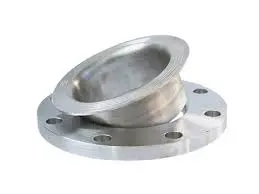
Understanding Slip-On Flanges and Their Importance in Qatar Projects
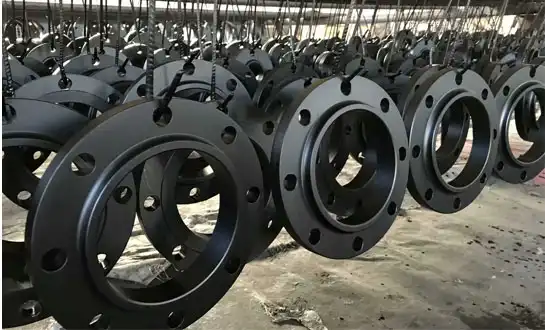
Slip-on flanges are an important part of pipelines and pressure vessels in industries all over Qatar. These flanges slide onto pipes and connect without needing any extra tools, making them very useful for projects that need to be done quickly and cheaply.
Installation Benefits and Design Rules
Slip-on flanges are designed to make direct and safe pipe connections that can handle high pressure and temperature without leaking or bursting. They are very important to Qatar's oil, gas, and petrochemical industries because their strong build helps maintain the integrity of the system, which has a direct effect on safety and the ability to work efficiently. EPC contractors who oversee difficult industrial projects really want to save money on labour and time on projects. Because of this, the simple installation has not only not changed their plans but also helped them complete their projects on time.
Choosing Materials for Qatar's Work Environment
Because of Qatar's harsh weather and the needs of industry, flanges must be made of certain materials so they work well. For normal use, carbon steel flanges are a good choice because they are strong and last a long time. For chemical processing settings, stainless steel flanges are better because they don't rust as easily. Alloy steels perform better when the temperature and pressure are very high or very low. This makes choosing the right material an important part of a project’s success.
Following the Rules and Compliance
Knowing the pressure ratings and dimensions of flanges helps you exactly follow local and global rules. Most Qatar projects make sure that they follow ASME, ANSI, and API standards so that they are in line with engineering practices around the world. These standard specs make it easy for the new system to work with the old one while keeping the safety rules that are necessary for work in the factory.
Comparing Slip-On Flanges with Other Flange Types for Qatar Projects
Choosing the right flange types has a big effect on how well the system works, how much it costs to install, and how much maintenance it needs over time. This method of showing the similarities and differences between two or more things helps people who work in procurement make smart choices that are based on the needs of each project.
Comparison of Performance Features
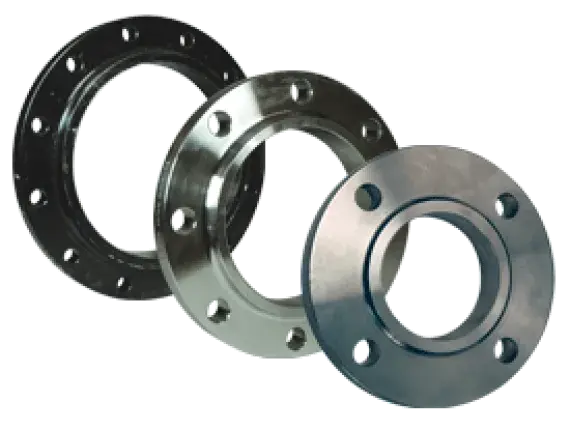
In some situations, slip-on flanges are better than other types of flanges. Slip-on flanges are easier to install and cheaper up front than weld-neck flanges, but weld-neck flanges are better for applications with a lot of stress. Flanges with socket welds need to be fitted more exactly, but slip-on designs can handle small changes in pipe size and shape. This makes the installation easier for projects in Qatar with short schedules.
Cost-Benefit Analysis for Various Uses
When you look at the total costs of a project, you can see why slip-on flanges are a good economic choice. These parts usually cost less than weld neck options and work well for most industrial uses. The simplified installation process needs less work and time, which leads to huge savings for big infrastructure projects in Qatar. Maintenance accessibility also makes slip-on designs more popular because they can be taken apart more easily for system changes or repairs.
Top Chinese Slip-On Flange Factories: Selection Criteria & Supplier Insights
China's manufacturing sector provides great benefits for Qatar project procurement because it has low prices and quality control processes that are becoming more advanced. A careful look at a range of performance metrics is needed to find trustworthy Chinese suppliers.
Quality Certification and Adhering to Standards
Flange makers in China who are at the top of the industry use strict systems for managing quality that are certified to ISO 9001:2015 standards. These facilities use full testing procedures that include checking the material, measuring the parts, and testing under pressure. Honest suppliers give full material certificates and test reports so that they can be traced back to the source and are sure to meet the requirements of the project in Qatar.
The Amount of Production and the Ability to Make Changes
Chinese manufacturers who are able to handle large orders and keep delivery schedules are seen as successful. Advanced Facilities makes flanges with the right size, material, and surface treatment for each project. They also offer customisation services. This ability to adapt is especially useful for projects in Qatar that have non-standard specifications or unique conditions that need to be taken into account.
The reliability of the supply chain helps with logistics.
Chinese suppliers that are well established keep logistics networks running smoothly so that goods can get to the markets in Qatar on time. These companies handle shipping, paperwork, and customs clearance, which makes it easier for buyers around the world to get what they need. Strategic inventory levels are also kept by dependable suppliers. This lets them quickly meet urgent project needs while keeping the supply chain running smoothly.
Practical Guide to Procuring Slip-On Flanges for Qatar Projects
Good procurement methods make sourcing quicker while making sure that product quality and delivery performance are kept up. This methodical way of doing things solves problems that happen a lot when getting goods from Chinese makers.
The Process of Choosing and Evaluating Suppliers
A full supplier evaluation starts with checking their quality certifications and credentials for manufacturing. To make sure the partnership can last, procurement teams should ask for facility audits, look at customer references, and check the stability of the long-term finances. An evaluation of technical capabilities includes looking at the engineering support resources, production equipment, and testing facilities. This detailed process for finding suppliers who can meet the needs of the Qatar project lowers the risks involved in buying things.
Finding Common Ground and Reducing Risk in the Contract Process
Clear details about how, when, and how well the goods should be are important for procurement contracts that work. Payment terms should protect the buyer and meet the cash flow needs of the supplier. Letters of credit or staged payment structures are usually used to achieve this balance. Quality assurance clauses should make it clear how to inspect the products, how to decide if they are acceptable, and how to fix products that don't meet the standards. These contractual terms protect the buyer's needs and make sure that the seller knows exactly what they need to do.
Shipping and Import Issues
When Qatar imports goods, it needs to have certain papers and follow the rules in Qatar. Packing lists, material certificates, and country-of-origin paperwork should be given to you by your suppliers. Working with customs brokers and freight forwarders makes sure that goods get to project sites on time and with no problems. Knowing how long it takes to make, ship, and clear customs helps you plan your projects and manage your inventory.
RAYOUNG: Your Trusted Partner for Qatar Industrial Projects
RAYOUNG makes very high-quality pipe fittings, including high-end slip-on flanges for tough industrial uses. The company has become a top manufacturer in this field. The wide range of products we offer meets the needs of many different kinds of businesses in Qatar's growing infrastructure sector.
The Ability to Make Great Products
We use cutting-edge production methods and strict quality checks in our slip-on flange manufacturing to make sure they always work the same way. We keep a lot of carbon steel, stainless steel, and alloy steel on hand, with a wide range of temperature and pressure ratings. Every product is tested in a number of ways, such as checking the dimensions, analysing the materials, and testing under pressure, to make sure it meets global standards.
Quality Assurance and Certifications
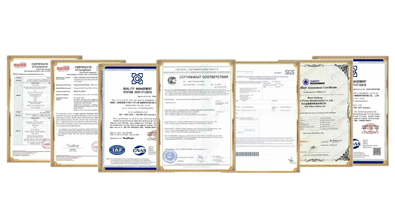
For export compliance and quality validation, RAYOUNG keeps GOST-R and SGS certifications. This shows our dedication to global quality standards. Our ISO 9001:2015 certified quality management system makes sure that our products are always great and our deliveries are always on time. These certificates make people in Qatar sure that we can make reliable products.
All-Around Help and Service
Besides making great products, RAYOUNG offers full technical support and after-sales services to make sure customers are successful. Our engineering team helps with choosing materials, answering application questions, and making custom changes to fit the needs of each project. This technical knowledge helps flange buyers in Qatar get better performance and save money on their choices.
Conclusion
It is important to carefully consider service support, production capacity, and quality when choosing a Chinese slip-on flange supplier for projects in Qatar. Chinese suppliers have competitive prices, advanced ways of making things, and strong quality systems. This makes them good partners for businesses in Qatar's industrial sector. RAYOUNG is dedicated to excellent quality, international certifications, and customer-focused service, making us the perfect partner for your next project in Qatar. Our history of providing dependable pipe fitting solutions guarantees the success of your project. This helps you avoid procurement risks and get the best overall cost for ownership.
Frequently Asked Questions
1. Qatar's best slip-on flange materials?
In Qatar's hot, humid coastal area, stainless steel grades 304 and 316 prevent corrosion. Inland carbon steel use is cheap with the right coatings. The material chosen depends on budget, fluid compatibility, and use conditions.
2. How do pressure ratings affect industrial slip-on flange selection?
Pressure ratings indicate flanges' safe working pressures. Most Qatari industrial and oil and gas projects require 150–2500 PSI flanges. Selecting the right pressure rating ensures system safety and compliance.
3. How long do Chinese slip-on flange manufacturers ship orders after placement?
Traditional slip-on flanges take two to four weeks to make. Changing specifications to meet needs could take six to eight weeks. Shipping to Qatar takes 2–3 weeks longer. Depending on order volume and complexity, delivery takes 4–11 weeks.
Partner with RAYOUNG for Premium Slip-On Flange Solutions
RAYOUNG is ready to help you with your projects in Qatar by providing high-quality slip-on flanges that are made to work well and be reliable. We have a lot of experience as a trusted slip-on flanges supplier, so we can provide you with custom solutions that meet your technical and business needs. With a lot of quality certifications and great reviews in the manufacturing industry, we are the reliable partner you need to make sure your project is a success. To talk about your needs and get a full quote for your next industrial project in Qatar, email us at info@hb-steel.com.
References
1. American Society of Mechanical Engineers. "ASME B16.5 Pipe Flanges and Flanged Fittings Standards." ASME International Standards, 2020.
2. Qatar General Organization for Standards and Metrology. "Industrial Pipeline Standards and Specifications for Oil and Gas Applications." QS Standards Publication, 2021.
3. International Organization for Standardization. "ISO 9001:2015 Quality Management Systems Requirements for Manufacturing Industries." ISO Publications, 2018.
4. China National Petroleum Corporation. "Export Standards for Oil and Gas Pipeline Components to Middle East Markets." CNPC Technical Report, 2022.
5. Gulf Cooperation Council. "GCC Industrial Standards for Pipeline Components in Petrochemical Applications." GCC Standards Authority, 2021.
6. Middle East Industrial Development Association. "Procurement Guidelines for International Sourcing of Industrial Components." MEIDA Industry Report, 2023.