What types of pipe elbows are common in oil-industry pipelines, and why is China a major source?
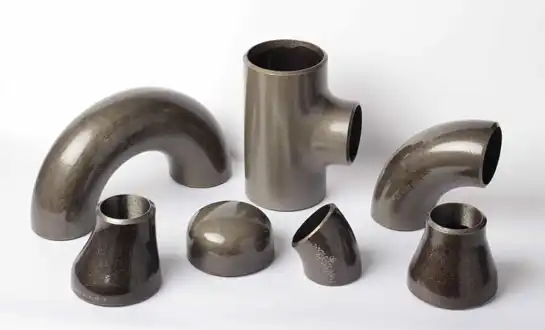
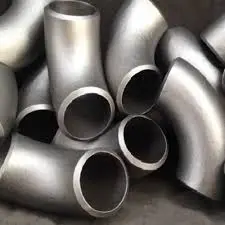
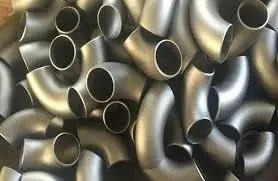
The oil business relies on different kinds of pipe elbows to make it easier for oil and gas to move through complicated pipeline systems. For changing the direction of flow, controlling pressure, and making sure that oil delivery works well generally, these important parts are needed. The most popular types of pipe elbows used in pipelines for the oil business are:
Long Radius Elbows
Petroleum pipes often use long radius bends because they slowly bend, which reduces pressure drop and noise. The centerline radius of these elbows is usually 1.5 times the standard pipe size. This makes them perfect for high-flow situations.
Short Radius Elbows
Short radius elbows have a tighter bend, with a centerline radius equal to the nominal pipe size. While they create more turbulence than long radius elbows, they are useful in space-constrained installations and low-pressure systems.
45-Degree Elbows
These elbows provide a 45-degree change in direction, offering more flexibility in pipeline design and reducing the need for multiple 90-degree bends in certain configurations.
Reducing Elbows
Reducing elbows combine the functions of an elbow and a reducer, allowing for a change in both direction and pipe diameter in a single fitting.
China has become a major source for these pipe elbows due to several factors:
- Advanced Manufacturing Skills: Chinese companies have put a lot of money into building modern factories that let them make a lot of high-quality pipe elbows easily.
- Cost-Effectiveness: Competitive labour costs and effective production methods allow Chinese sellers to offer low prices without lowering the quality of their goods.
- Material Access: China's strong steel industry makes sure that there are always raw materials available for making pipe elbows.
- Compliance with International Standards: A lot of Chinese makers follow international standards like ASME, API, and ISO, which means that their goods can be used in oil industry projects around the world.
- "Export-Oriented Approach": China's strong focus on exports has led to the improvement of shipping and operations, making it easier for people from other countries to buy things from China.
Chinese elbow manufacturers: forging, heat-treatment & compliance with international standards
Chinese pipe elbow manufacturers have developed sophisticated production processes to ensure the quality and reliability of their products. Let's delve into the key aspects of their manufacturing techniques and how they maintain compliance with international standards:
Forging Process
Forging is a critical step in producing high-quality pipe elbows. Chinese manufacturers employ advanced forging techniques to enhance the mechanical properties and structural integrity of the elbows:
- Hot Forging: This process involves heating the metal to high temperatures before shaping, resulting in improved ductility and uniform grain structure.
- Cold Forging: Some manufacturers use cold forging for certain applications, which can provide better dimensional accuracy and surface finish.
- Precision Forging: Advanced die designs and computer-controlled forging presses ensure consistent quality and tight tolerances.
Heat Treatment
Heat treatment is essential for optimising the mechanical properties of pipe elbows. Chinese manufacturers employ various heat treatment methods:
- Normalising: This process helps achieve uniform grain structure and improved toughness.
- Quenching and Tempering: These techniques are used to enhance strength and hardness while maintaining ductility.
- Stress Relief: Heat treatment is applied to reduce internal stresses caused by welding or forming processes.
Compliance with International Standards
To meet the demands of the global oil industry, Chinese elbow manufacturers adhere to various international standards:
- ASME B16.9: This standard covers wrought steel butt-welding fittings, including elbows, for use in high-pressure systems.
- API 5L: The American Petroleum Institute standard for line pipe is often applied to ensure compatibility with oil and gas pipeline systems.
- ISO 9001: Many Chinese manufacturers maintain ISO 9001 certification for quality management systems.
- NACE MR0175: This standard addresses material requirements for use in H2S-containing environments, crucial for certain oil industry applications.
Chinese manufacturers often invest in advanced testing equipment and procedures to ensure compliance with these standards:
- Non-Destructive Testing (NDT): Techniques such as ultrasonic testing, magnetic particle inspection, and radiographic testing are employed to detect any defects or inconsistencies.
- Chemical Composition Analysis: Spectrometers and other analytical tools are used to verify the material composition of the pipe elbows.
- Mechanical Property Testing: Tensile testing, impact testing, and hardness testing are conducted to ensure the elbows meet the required mechanical specifications.
Selecting the correct elbow specification: angle, diameter, and wall thickness for Algerian oil pipelines
Choosing the right pipe elbow specifications is crucial for ensuring the optimal performance and longevity of Algeria's oil pipelines. Let's explore the key factors to consider when selecting pipe elbows:
Elbow Angle
The angle of the elbow determines the change in direction of the pipeline. Common angles include:
- 90-degree elbows: Most frequently used for sharp turns in pipelines.
- 45-degree elbows: Useful for gradual direction changes and reducing pressure drop.
- 180-degree elbows (return bends): Used in specific applications where a complete reversal of flow is required.
For Algeria's oil pipelines, the choice of angle depends on the specific layout requirements and flow characteristics of the system. In many cases, a combination of different angles may be used to optimise the pipeline design.
Diameter
Selecting the correct diameter is crucial for maintaining proper flow rates and pressure in the pipeline. Factors to consider include:
- Flow rate requirements: Higher flow rates generally require larger diameters.
- Pressure considerations: Smaller diameters may be preferred for high-pressure systems to reduce material costs.
- Compatibility with existing infrastructure: Elbow diameters should match or be easily adaptable to the connecting pipes.
For Algeria's oil industry, typical pipe diameters can range from 2 inches for smaller gathering lines to 48 inches or more for major transmission pipelines.
Wall Thickness
The wall thickness of pipe elbows is a critical factor in ensuring the structural integrity and safety of the pipeline. Considerations include:
- Operating pressure: Higher pressures require thicker walls to withstand the internal forces.
- Corrosion allowance: Additional thickness may be specified to account for potential corrosion over time.
- External loads: Buried pipelines may require thicker walls to withstand soil pressure and surface loads.
Wall thickness is typically specified using schedule numbers (e.g., Schedule 40, Schedule 80) or by the actual thickness in millimetres or inches.
Material Selection
Choosing the right material for pipe elbows in Algeria's oil pipelines is crucial:
- Carbon steel: Commonly used for its strength and cost-effectiveness.
- Low-temperature carbon steel: Suitable for pipelines operating in colder regions of Algeria.
- Stainless steel: Used in corrosive environments or for sour service applications.
- Alloy steels: May be specified for high-temperature or high-pressure applications.
It's important for Algeria's oil business to only buy pipe elbows from respected Chinese makers who can give full technical specs and certificates. The oil and gas business has very strict rules about the quality of pipe parts, like elbows, that HEBEI RAYOUNG PIPELINE TECHNOLOGY CO., LTD meets.
Additional Considerations
Other factors to consider when selecting pipe elbows for Algeria's oil pipelines include:
- End preparations: Butt-weld ends are common for permanent installations, while flanged ends may be used for sections requiring frequent maintenance or replacement.
- Surface finish: Smooth internal surfaces can help reduce friction and improve flow characteristics.
- Coating requirements: Specialised coatings may be necessary for corrosion protection or thermal insulation.
Algeria's oil business can choose the best pipe elbows that benefit the safety, efficiency, and life of their pipeline systems by carefully thinking about these factors and working with experienced sellers like RAYOUNG.
Conclusion
When Algeria's oil business buys high-quality pipe elbows from China, it gets access to modern manufacturing techniques, cost-effective solutions, and goods that meet international standards. Algerian oil businesses can improve their pipeline infrastructure by learning about the standard types of elbows used in oil pipelines, how they are made by Chinese suppliers, and how to choose the right specs.
The Algerian oil business can get the high-quality pipe elbows they need to deal with their practical problems by working with reputable Chinese companies like HEBEI RAYOUNG PIPELINE TECHNOLOGY CO., LTD. Offering a wide range of goods, a dedication to quality, and agreement with international standards, RAYOUNG is well-equipped to assist Algeria's oil sector in its growth and success.
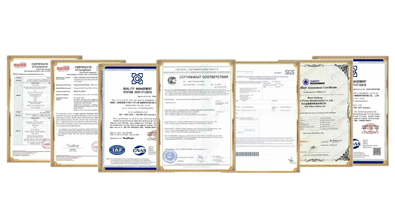
Selecting the appropriate pipe elbow provider is very important for EPC builders, dealers, engineering firms, and industry end-users who want to lower project risk, ensure safety rules are followed, and keep solid long-term performance. You can trust RAYOUNG to help you find high-quality pipe elbows that are safe, effective, and long-lasting because they are certified by both GOST-R and SGS and have a lot of experience with carbon steel pipe fittings.
Frequently Asked Questions
1. What are the main advantages of sourcing pipe elbows from China for the Algerian oil industry?
Advantages include access to modern manufacturing, cost-effective solutions, compliance with international standards, a large selection of products, and smooth transportation for shipping goods around the world. Many Chinese companies, including RAYOUNG, make high-quality pipe elbows that are priced competitively and meet the strict needs of the oil and gas business.
2. How do Chinese manufacturers ensure the quality of pipe elbows for oil industry applications?
Precision heat treatment methods, advanced casting techniques, and strict quality control measures are all used by Chinese makers. For the best quality pipe elbows, they follow international standards like ASME, API, and ISO and test them thoroughly using non-destructive testing (NDT), chemical makeup analysis, and mechanical property testing.
3. What factors should be considered when selecting pipe elbows for Algeria's oil pipelines?
Elongation angle, width, wall thickness, material choice, working pressure, resistance to rust, and connection with current infrastructure are some of the most important factors. Additionally, you should think about the end steps, surface finish, and any unique finishing needs. Working with expert sources like RAYOUNG can help you choose the best pipe elbows for your project.
Expert Pipe Elbow Solutions for Algeria's Oil Industry | RAYOUNG
HEBEI RAYOUNG PIPELINE TECHNOLOGY CO., LTD specialises in providing high-quality pipe elbows and fittings tailored to the unique needs of Algeria's oil industry. With our extensive experience, state-of-the-art manufacturing facilities, and commitment to international standards, we offer reliable solutions that ensure the safety, efficiency, and longevity of your oil pipeline projects.
Our team of experts is ready to assist you in selecting the perfect pipe elbows for your specific applications, taking into account factors such as operating conditions, material requirements, and compliance standards. Whether you need long radius elbows for main transmission lines or specialised fittings for challenging environments, RAYOUNG has the expertise and product range to meet your needs.
Don't compromise on quality when it comes to critical components like pipe elbows. Choose RAYOUNG for peace of mind and superior performance in your oil industry projects. Contact us today at info@hb-steel.com to discuss your requirements and discover how our pipe elbow solutions can contribute to the success of your operations in Algeria's oil sector.
References
1. American Society of Mechanical Engineers. (2022). ASME B16.9: Factory-Made Wrought Buttwelding Fittings.
2. American Petroleum Institute. (2021). API Specification 5L: Line Pipe, 46th Edition.
3. International Organization for Standardization. (2015). ISO 9001:2015 Quality management systems — Requirements.
4. NACE International. (2019). NACE MR0175/ISO 15156 Petroleum and natural gas industries — Materials for use in H2S-containing environments in oil and gas production.
5. Algerian Ministry of Energy and Mines. (2023). Oil and Gas Infrastructure Development Plan 2023-2030.
6. China Chamber of Commerce for Import and Export of Machinery and Electronic Products. (2022). Annual Report on China's Pipe Fitting Export Industry.