Top Features to Look for in Industrial Steel Pipelines
Industrial steel pipes should be safe, work well, and last a long time for your job. You should know what to look for in them. People who work with oil and gas, chemicals, and water treatment all need these lines. How well things work and how much they cost in the long run can depend on the decisions you make. This course will teach you all the most important things you need to know to make good Industrial Steel Pipelines. You will be able to make better choices about your next job after reading this. Large amounts of pressure, chemicals that break down metal, and changes in temperature are just some of the tough situations that pipes made of industrial steel can handle. What the material is made of, how well it resists rust, how much pressure it can handle, and whether it meets industry standards are the most important things to think about. If you pay attention to these things, your pipeline system will work for you now and in the future.
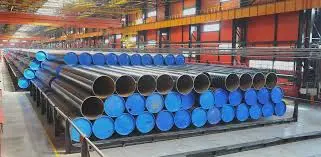
What Are Industrial Steel Pipelines Used For?
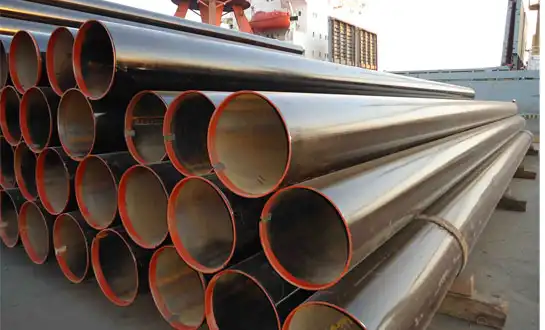
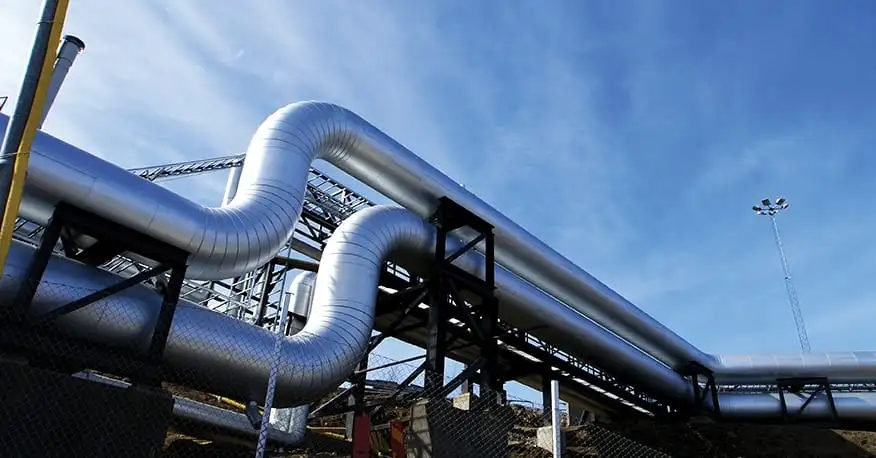
Industrial steel pipelines are used by a lot of huge companies to carry liquids, gases, and even solids over vast distances or through buildings that are hard to get to. They are incredibly vital for modern infrastructure and industry since they can be used in so many ways.
The oil and gas industry
Industrial steel pipes are very important in the oil and gas business because they move crude oil from where it is extracted to refineries. - Moving goods made from refined oil to places where they can be stored and sent out. - Getting natural gas to homes and power plants.
Things made using chemicals
Chemical industries need powerful pipeline systems to: - Move raw materials between processing units - Move finished items to storage or packing rooms - Handle caustic compounds in a safe and effective way
How to treat and deliver water
Municipal water systems employ industrial steel tubes to: - Move clean water from treatment plants to cities - Take care of sewage and wastewater systems - Water a lot of farmland
Making things and making power
These pipes are important for many businesses, such as: - Factories and power plants that need to cool down - Factories that need to move raw materials and finished goods around - Factories that need to move steam to make energy
There are many different ways to use industrial steel pipelines, so it's crucial to pick the right features for each operation.
Key Features of High-Quality Industrial Steel Pipelines
For industrial steel pipelines to perform properly and last a long time, they need to have a few important properties. These traits affect how well the pipeline can handle operational pressures, resist corrosion, and stay strong over time.
Not likely to rust
Steel pipes used in industry are great since they don't rust. This is really vital when you have to move risky things or work in challenging areas. Here are some of the most important parts: - Choosing the right materials, like stainless steel grades 304 or 316 for places where there is a lot of rust - Coatings that protect items, such as galvanization or epoxy linings - Systems that keep pipelines buried below from rusting
Rating for Pressure and Tensile Strength
The device needs to be able to handle high internal pressures in order to perform safely. Think about: - The right thickness of the wall for the range of pressure you want - The steel used to manufacture pipes is exceptionally robust when it comes to tension. - The burst pressure values are higher than what is needed for normal use.
How well it can handle heat
Pipelines that are utilized for business have to deal with weather that is very hot or very cold. Look for: - Items that can be used in both hot and cold weather - Thermal expansion coefficients that work where the item will be used - Insulation alternatives for fluids that don't like temperature variations
Chemicals that mix nicely with each other
It is important to make sure that the pipeline material is compatible with the chemicals being carried. This will protect the material from breaking down over time, maintain the product's purity, and eliminate any safety problems that could come up from chemical interactions.
The measurements must be correct and the same every time.
You need to measure the parts of the pipeline exactly so that they fit and work together correctly. - Making sure that the flow characteristics are the same across the system - Making it easy to keep track of and alter parts
Quality and Integrity of Welds
It's highly vital that welded pipes have strong welds: - Using the right welding methods for the job and the material - Checking the quality of the weld without destroying it - Keeping track of the welders' skills and the welding process
By focusing on these important elements, project managers and engineers may choose the best industrial steel pipelines for their needs in terms of performance, safety, and durability.
Material and Design Considerations for Pipelines
The materials and design features you choose for industrial steel pipelines will have a huge impact on the system's full life. Picking the right things in these areas can make things work better, demand less care, and be safer.
Choosing the Right Materials
There are a few aspects to think about while picking the correct material for industrial steel pipelines: - Carbon Steel: It's strong and cheap, therefore it's utilized a lot in places that aren't too corrosive. - Stainless Steel: Chosen since it doesn't rust easily in severe conditions - Alloy steels: used when there is a lot of heat or pressure. - Duplex stainless steel: This steel is strong and won't rust.
The sort of material you use should depend on what you're transferring and the conditions it will be used in (pressure, temperature, pH). - The environment, such as the land, the air, and so on - The government and the business world make laws and standards
Things to think about when building a pipeline
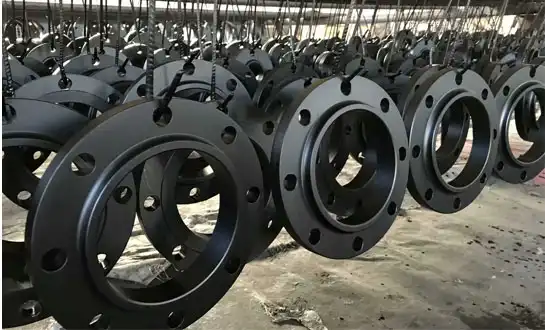
Picking the right materials is just one component of designing a good pipeline. It also has: - Pipe Diameter: This affects the pressure drop and flow rates in the system. - Wall Thickness: This depends on the pressure ratings and loads on the outside. - How to Join: Depending on what you're joining, you can utilize welding, flanges, or mechanical connections. - Systems for Coating: Coatings on the inside and outside add extra protection. - What kind of insulation do you need? For situations where temperature or energy efficiency is very important
Pipes that have welds and pipes that don't
You need to think about what your application needs when you choose between welded and seamless pipes: - Seamless Pipes: Best for very important safety needs that are under a lot of pressure - Welded Pipes: These pipes are cheaper and function better in systems with bigger pipes and lower pressures.
Compliance and Certification
It's very important to follow the rules in your field: - API standards for oil and gas apps - ASTM standards for the quality of materials - ISO 9001 for systems that keep track of quality - The ASME B31 series for pipes under pressure
Engineers may make pipeline systems that are safe, efficient, and the best for long-term performance and cost-effectiveness by carefully thinking about these design and material requirements.
Conclusion
Choosing the proper industrial steel pipelines is a hard but important job that requires a lot of thought about many different things. You need to think about everything you do to make sure the pipeline works well and lasts a long time. This includes figuring out what the application needs and looking at things like corrosion resistance, pressure ratings, and material compatibility.
If you choose high-quality materials, follow industry standards, and think about the individual needs of your project, you can be sure that your industrial pipeline system will work well, safely, and reliably for many years to come. Keep in mind that buying high-quality pipeline parts up front usually saves you a lot of money in the long term because they lower maintenance costs and make operations run more smoothly.
Anyone who needs experienced assistance and the best industrial steel pipeline solutions can get aid from HEBEI RAYOUNG PIPELINE TECHNOLOGY CO., LTD. We can assist you in choosing the right pipeline because we have been making high-quality pipe fittings for years and are continually looking for ways to get better. We'll make sure that your project gets the greatest parts it can.
Frequently Asked Questions
1. What is the difference between steel pipes that are welded and those that aren't?
Solid steel billets that have not been welded together are used to make seamless pipes. These are perfect for situations where safety and strong pressure are important. Welded pipes, on the other hand, are made by rolling steel plates and then welding the seam. They cost less for systems with bigger pipes and lower pressures. You should select between seamless and welded according to what your project needs, such as how much pressure it can withstand, how safe it is, and how much money you have.
2. How often should you check on steel pipelines in factories?
The number of times industrial steel pipes need to be checked depends on a number of things, such as what kind of material is being moved, how it is being used, and the rules that need to be followed. There should be a full check at least once a year, and more frequent visual checks and monitoring. You may need to look at important or high-risk pipelines more often and in more detail. It's very important to set up a regular program for testing and updating your pipeline system, depending on its own needs and industry standards.
3. What are the most prevalent reasons why steel pipelines in manufacturing break?
The most typical reasons why industrial steel pipelines break include corrosion (inside and outside), material fatigue, bad installation or maintenance, damage from outside sources (such as digging or natural catastrophes), and design errors. Corrosion happens a lot, and things like bad weather, chemicals that are too strong, and high temperatures can make it happen faster. Pipelines are far less likely to fail if they are checked regularly, built and maintained correctly, and used the right materials.
Choosing the Right Industrial Steel Pipelines for Your Project | RAYOUNG
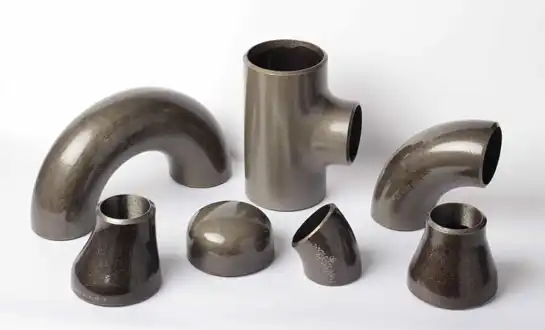
HEBEI RAYOUNG PIPELINE TECHNOLOGY CO., LTD is a company you can trust to assist you in choosing the best industrial steel pipelines for your project. We provide a wide range of high-quality pipe fittings, such as buttweld steel elbows, reducers, and flanges, so we can meet all of your needs. No matter if you're working on a big industrial plant or a little property, our products are safe, long-lasting, and operate well.
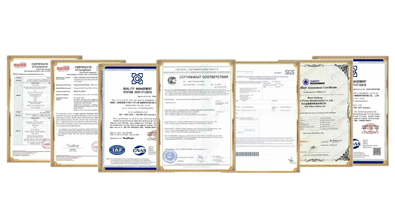
We make the best pipes and fittings, and we know that new ideas and high quality are always important. Our promise of quality is backed up by ISO 9001:2015 certification, so you can be sure that every product is of the best quality and dependability. Our fittings work well and precisely with important flow systems, including water lines and gas transportation systems.
Don't let luck decide the outcome of your job. You can trust RAYOUNG to make the greatest industrial steel pipelines. Our team of professionals is ready to assist you in choosing the best parts for your needs. Please email us at info@hb-steel.com immediately to talk about your project and find out how our industrial steel pipeline solutions may help you attain your goals. Use RAYOUNG as the base for your next big business success.
References
1. The American Society of Mechanical Engineers. (2021). ASME B31: Rules for Pressure Piping.
2. The American Petroleum Institute. (2020). API 5L: Line Pipe Specification.
3. ASTM International. (2022). ASTM A53/A53M: A standard for black and hot-dipped steel pipes that are welded and do not have seams.
4. The National Association of Engineers Who Deal with Corrosion. (2021). NACE SP0169: How to Keep Metal Pipes That Are Buried or Underwater from Rusting.
5. The International Organization for Standardization (ISO). (2019). ISO 3183: Steel pipe for systems that move oil and gas through pipelines.
6. The Pipeline and Hazardous Materials Safety Administration (2022). A summary of what is being done now and the rules for pipeline safety.

Need a quote? Want to see samples? Just say hello. We’re friendly. We’re fast. And we’re ready when you are.
Welcome to RAYOUNG – Strong Pipes, Stronger Promise