Are Chinese slip-on flanges suitable for heavy-duty industrial pipelines in Bolivia?
The appropriateness of Chinese slip-on flanges for heavy-duty mechanical pipelines in Bolivia depends on a few variables, including quality control, fabric determination, and adherence to universal measures. Numerous Chinese producers, including HEBEI RAYOUNG PIPELINE Technology CO., LTD, have contributed intensely in progressed generation offices and thorough quality assurance forms to meet worldwide demand.
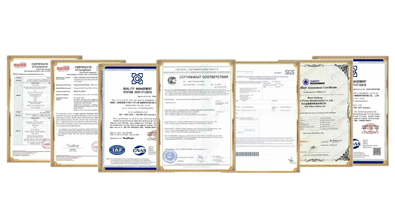
Quality Assurance and Certification
Reputable Chinese producers guarantee their slip-on spines meet or surpass worldwide benchmarks such as ASME B16.5, EN 1092-1, and Commotion determinations. These certifications give certainty that the ribs can dependably withstand high-pressure, high-temperature mechanical conditions. Comprehensive testing conventions, including dimensional reviews, weight testing, and surface quality confirmation, are regularly implemented. Such strict quality affirmation makes these items appropriate for basic Bolivian foundation ventures where security and long-term quality are paramount.
Material Selection
Chinese producers offer slip-on spines in a wide range of materials, including carbon steel, stainless steel, and amalgam steel, custom-fitted to diverse mechanical requirements. For Bolivia’s mining, oil and gas, and chemical preparation segments, erosion resistance, tall pliable quality, and warm solidity are fundamental. The accessibility of heat-treated and amalgam alternatives guarantees that pipelines working beneath unforgiving natural and operational conditions can maintain auxiliary judgment and execution over expanded service periods.
Cost-Effectiveness
One of the essential preferences of Chinese slip-on ribs is their competitive pricing, especially imperative for large-scale mechanical ventures in Bolivia. By leveraging economies of scale, Chinese providers give high-quality spines at a fraction of the fetched of comparable European or North American items. This takes a toll advantage empowers Bolivian mechanical administrators to optimise budgets without compromising on fabric quality, strength, or compliance with universal measures, guaranteeing both financial and operational efficiency.
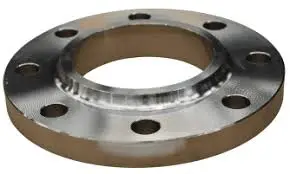
Slip-On flange manufacturing standards, material grades and export readiness
Understanding the manufacturing standards, material grades, and export readiness of Chinese slip-on flanges is essential for Bolivian project managers and procurement specialists.
Manufacturing Standards
Chinese manufacturers typically adhere to the following standards for slip-on flanges:
- ASME B16.5: American standard for pipe spines and flanged fittings
- EN 1092-1: European standard for spines and their joints
- DIN measures: German mechanical standards
- GOST guidelines: Russian benchmarks, which are some of the time required for certain projects
These standards ensure that the flanges meet specific dimensional, material, and performance requirements.
Material Grades
Chinese slip-on flanges are available in various material grades to suit different industrial applications:
- Carbon Steel: ASTM A105, A350 LF2
- Stainless Steel: ASTM A182 F304, F316, F321
- Alloy Steel: ASTM A182 F11, F22, F91
The choice of material grade depends on factors such as operating temperature, pressure, and the corrosiveness of the media being transported.
Export Readiness
Leading Chinese manufacturers have developed robust export capabilities to serve international markets like Bolivia. This includes:
- Compliance with worldwide exchange regulations
- Proper bundling for long-distance shipping
- Documentation bolster for traditions clearance
- After-sales back-up and guarantee services
Companies like RAYOUNG have obtained certifications such as GOST-R and SGS, which demonstrate their commitment to quality and export compliance.
Practical use-case comparisons: slip-on vs weld-neck vs blind flanges for various industrial pipelines
To make an informed decision for Bolivian industrial projects, it's essential to understand how slip-on flanges compare to other flange types in various applications.
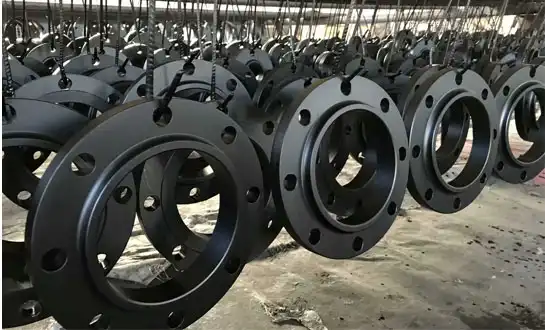
Slip-On Flanges
Advantages:
- Easy establishment and alignment
- Cost-effective for expansive breadth pipes
- Suitable for medium to heavy-weight applications
Best suited for:
- Water treatment plants
- HVAC systems
- General-purpose industrial piping
Weld-Neck Flanges
Advantages:
- Superior quality and weariness resistance
- Excellent for high-pressure and high-temperature applications
- Reduced push concentration at the pipe-flange junction
Best suited for:
- Oil and gas pipelines
- Chemical processing plants
- Power generation facilities
Blind Flanges
Advantages:
- Provides a solid seal for pipe ends
- Useful for pressure testing and system isolation
- Easy to remove for future system expansion
Best suited for:
- End-of-line applications
- Temporary closures in maintenance operations
- Pressure vessel closures
In Bolivia's differing mechanical scene, the choice between these spine sorts depends on the particular necessities of each venture. For instance, in the country's developing lithium mining segment, slip-on flanges might be favoured for their ease of establishment in handling plants, whereas weld-neck ribs might be the go-to choice for high-pressure pipelines in the oil and gas industry.
Case Study: Mining Industry Application
In a later extend at a Bolivian silver mine, engineers confronted the challenge of planning a water supply framework that might withstand destructive situations and direct pressures. They selected stainless steel slip-on flanges due to their erosion resistance and cost-effectiveness. The ease of establishment permitted for faster extension completion, whereas the flanges' execution met all security and effectiveness standards.
Considerations for Bolivian Climate and Terrain
Bolivia's changed climate, from the Andes mountains to the Amazon basin, presents special challenges for mechanical channelling frameworks. Chinese producers have reacted by advertising slip-on flanges with extraordinary coatings and materials that can withstand extraordinary temperature fluctuations and sticky conditions. This flexibility makes Chinese slip-on flanges a reasonable alternative for ventures over Bolivia's assorted topographical regions.
Conclusion
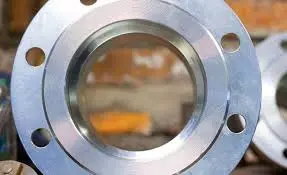
Chinese slip-on flanges have been demonstrated to be reasonable for a wide range of mechanical pipe ventures in Bolivia. Their adherence to universal measures, differing fabric choices, and competitive estimating make them an alluring choice for numerous applications. Be that as it may, venture supervisors and engineers must carefully consider the particular necessities of their ventures, including weight appraisals, temperature conditions, and erosion resistance, when selecting the fitting rib type.
As Bolivia proceeds to create its mechanical foundation, the demand for high-quality, cost-effective channelling components is likely to increase. Chinese producers, with their broad encounter and send out capabilities, are well-positioned to meet this request. By carefully assessing the alternatives and working with legitimate providers, Bolivian businesses can guarantee the security, effectiveness, and lifespan of their channelling systems.
For those considering Chinese slip-on flanges for their mechanical ventures in Bolivia, it's pivotal to accomplice with a trusted provider. HEBEI RAYOUNG PIPELINE Technology CO., LTD offers a comprehensive range of high-quality pipe fittings, including slip-on flanges, that meet universal guidelines and are appropriate for assorted mechanical applications. With our ISO 9001:2015 certification, GOST-R and SGS endorsements, and commitment to advancement, we guarantee that our items provide the execution and unwavering quality your ventures demand.
FAQ
Q1: What are the main advantages of using slip-on flanges in industrial pipe projects?
A: Slip-on flanges offer several advantages, including ease of installation and alignment, cost-effectiveness (especially for large diameter pipes), and suitability for low to medium pressure applications. They are particularly useful in projects where quick assembly and potential future adjustments are important considerations.
Q2: How do Chinese slip-on flanges compare to those from other countries in terms of quality?
A: Reputable Chinese manufacturers, like RAYOUNG, produce slip-on flanges that meet international standards such as ASME B16.5 and EN 1092-1. With proper quality control and certifications (e.g., ISO 9001:2015, GOST-R, SGS), Chinese slip-on flanges can match the quality of those from other countries while often offering more competitive pricing.
Q3: What factors should be considered when choosing slip-on flanges for a Bolivian industrial project?
A: Key factors include operating pressure and temperature, corrosion resistance requirements, compatibility with the piping system, adherence to relevant standards, cost-effectiveness, and the specific environmental conditions of the project site in Bolivia. It's also important to consider the supplier's reputation, export capabilities, and after-sales support.
Expert Slip-On Flange Solutions for Your Bolivian Projects | RAYOUNG
Ready to elevate your industrial pipe projects in Bolivia with high-quality slip-on flanges? RAYOUNG is your trusted partner for all your piping needs. Our extensive range of slip-on flanges, manufactured to the highest international standards, ensures optimal performance and longevity for your industrial applications. Whether you're working on water treatment facilities, mining operations, or oil and gas projects, our expert team is here to guide you in selecting the perfect flange solutions.
Don't let subpar components compromise your project's integrity. Reach out to RAYOUNG today and experience the difference that superior quality and customer service can make. Contact us at info@hb-steel.com to discuss your specific requirements, request a quote, or learn more about how our slip-on flanges can contribute to the success of your Bolivian industrial ventures. Let's build a safer, more efficient future together with RAYOUNG's reliable piping solutions.
References
1. Bolivian Ministry of Mining and Metallurgy. (2022). "Industrial Infrastructure Development Report."
2. American Society of Mechanical Engineers. (2021). "ASME B16.5: Pipe Flanges and Flanged Fittings."
3. European Committee for Standardization. (2020). "EN 1092-1: Flanges and their joints."
4. International Organization for Standardization. (2015). "ISO 9001:2015 Quality management systems — Requirements."
5. Journal of Piping Engineering. (2023). "Comparative Analysis of Flange Types in South American Industrial Applications."
6. World Steel Association. (2022). "Global Steel Market Outlook: Focus on Latin America."