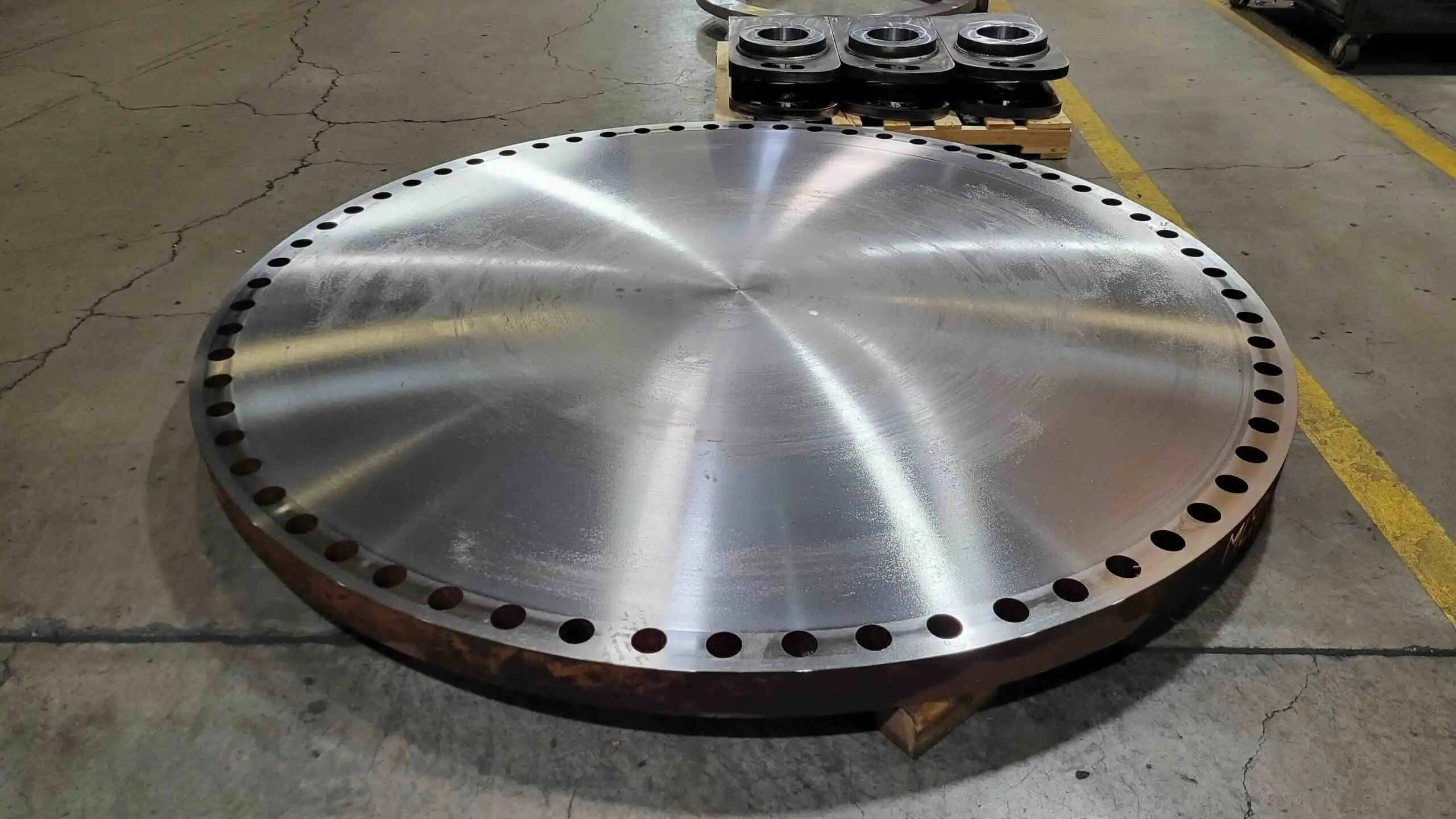
What is a blind flange, and when is it used in piping systems for Ethiopian projects?
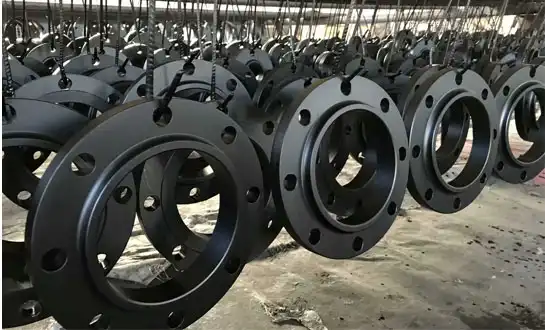
A blind flange is a solid disk-shaped fitting used to seal the end of a pipe, valve, or pressure vessel opening. In Ethiopian infrastructure projects, blind flanges serve several critical functions:
Sealing and Pressure Containment
A dazzle spine makes the conclusion of a pipe or tank leak-proof and secure. Vital for keeping the weight interior the framework and preventing liquids or gases from escaping. It is exceptionally critical to seal water treatment plants and oil channels over Ethiopia's shifted landscapes accurately for security and economic reasons.
Future Expansion Preparation
When building infrastructure, designers often think about how the city will grow in the future. By acting as temporary ends that can be taken off and linked to new pieces of pipe when needed, blind flanges make it easy to expand a system. In Ethiopia's fast-growing cities, this versatility is especially useful.
Maintenance and Access
That way, repair or assessment labourers can get to the interior of channels or tanks by evacuating daze ribs. Due to their country's zones or the need for assets, Ethiopian ventures may find it difficult to do normal upkeep, so this work is exceptionally helpful.
Applications in Ethiopian Projects
Blind flanges find extensive use in various Ethiopian infrastructure initiatives:
- Water Supply Systems: Sealing reservoir outlets and distribution pipelines
- Oil and Gas Projects: Capping pipelines and storage tanks
- Industrial Plants: Closing off process piping and pressure vessels
- Wastewater Treatment: Sealing treatment tanks and effluent pipes
The versatility and reliability of blind flanges make them indispensable components in Ethiopia's drive towards improved infrastructure and industrial capacity.
Why Chinese blind flange suppliers stand out?: range of sizes, standards (ANSI/DIN), and export support
Chinese manufacturers have established themselves as preferred suppliers of blind flanges for Ethiopian infrastructure projects due to several key factors:
Comprehensive Size Range
Chinese dealers offer a wide extend of daze rib sizes, typically from 1/2 inch to 60 inches in breadth. Since there are so many alternatives, Ethiopian labourers can discover precisely what they require for their occupations, whether it's a small water system or a huge mechanical pipeline.
Adherence to International Standards
Chinese manufacturers produce blind flanges that comply with globally recognised standards, including:
- ANSI (American National Standards Institute): Common in oil and gas projects
- DIN (Deutsches Institut für Normung): Preferred in many European-influenced projects
- EN (European Standard): Widely accepted across various industries
- GOST (Russian standard): Sometimes required for projects with Russian involvement
Sometimes needed for projects involving Russia, GOST (Russian standard). Sticking to various standards makes it possible for Ethiopian workers to find parts that meet the needs of specific projects and work with other foreign equipment.
Material Diversity
Chinese suppliers offer blind flanges in a wide range of materials to suit various applications:
- Carbon Steel: For general-purpose applications
- Stainless Steel: For corrosion-resistant needs in water treatment or chemical processing
- Alloy Steel: For high-temperature or high-pressure environments
- Exotic Alloys: For specialised industrial applications
The variety of materials available lets Ethiopian projects pick the best choice for their unique operating and weather situations.
Competitive Pricing
Chinese companies use technology and economies of scale to make their products cheaper without lowering the quality. These benefits are especially appealing for Ethiopian building projects that are trying to stay within their limited funds.
Export Support and Logistics
Many Chinese suppliers provide comprehensive export support, including:
- Assistance with documentation and customs clearance
- Flexible shipping options
- Packaging designed for long-distance transport
- After-sales support and warranty services
This level of support simplifies the procurement process for Ethiopian contractors, reducing delays and ensuring smooth project execution.
Quality Assurance and Certifications
Leading Chinese blind flange suppliers maintain rigorous quality control processes and hold international certifications such as ISO 9001, demonstrating their commitment to producing high-quality components suitable for critical infrastructure projects.
Quality inspection and certification: Ensuring blind flanges meet structural and pressure requirements
For Ethiopian infrastructure contractors, the quality and reliability of blind flanges are paramount. Chinese suppliers have implemented robust quality inspection and certification processes to ensure their products meet or exceed international standards:
Material Verification
Quality assurance begins with material selection and verification:
- Chemical composition analysis to confirm material grade
- Physical property testing (tensile strength, yield strength, elongation)
- Microstructure examination to detect any internal defects
Dimensional Inspection
Precise measurements are taken to ensure conformity with specified standards:
- Flange diameter and thickness
- Bolt hole size and spacing
- Surface finish and flatness
Non-Destructive Testing (NDT)
Various NDT methods are employed to detect surface and subsurface flaws:
- Ultrasonic Testing (UT): Detects internal defects
- Magnetic Particle Inspection (MPI): Reveals surface and near-surface discontinuities
- Liquid Penetrant Testing (PT): Identifies surface-breaking defects
Pressure Testing
Blind flanges undergo rigorous pressure tests to ensure they can withstand operational conditions:
- Hydrostatic testing: Verifies leak-tightness and structural integrity
- Pneumatic testing: For applications where water contamination must be avoided
Certifications and Documentation
Chinese suppliers provide comprehensive certification packages, including:
- Material Test Reports (MTR) detailing chemical and physical properties
- Inspection certificates confirming dimensional accuracy
- NDT reports and pressure test certificates
- Compliance certificates for relevant standards (ANSI, DIN, etc.)
Third-Party Inspection
Many Chinese producers welcome third-party assessments by universally perceived organisations, giving an extra layer of quality confirmation for Ethiopian contractors.
Traceability
Each daze rib is checked with one-of-a-kind identifiers, guaranteeing full traceability from crude fabric to wrapped item. This is pivotal for quality control and potential guarantee claims.
Continuous Improvement
In arrange to remain ahead of changing client needs and industry measures, Chinese suppliers are driving to invest in research and development to improve their production strategies and product quality. China's daze rib providers make beyond any doubt their merchandise meets the high benchmarks required for Ethiopian building ventures by following these strict quality control measures. As a result of their devotion to quality, Moo costs, and offers assistance with shipments, Chinese creators are a well-known choice for builders looking for solid parts for their critical systems.
Conclusion
Ethiopian building companies have found that Chinese dazzle spine suppliers are their best accomplices since they offer quality, cost, and back. Their wide range of sizes, in terms of universal measures, and strict quality control methods make it beyond any doubt that Ethiopian ventures provide parts that work and reliability meet the most noteworthy measures. The esteem of these suppliers' part in giving imperative parts like dazzle spines will it were, develop as Ethiopia's framework proceeds to develop quickly.
For framework temporary workers in Ethiopia looking for solid and cost-effective dazzle spines, HEBEI RAYOUNG PIPELINE Innovation CO., LTD stands out as a chief choice. With our broad range of high-quality items, adherence to worldwide benchmarks, and commitment to client satisfaction, we are well-equipped to meet the different needs of your ventures. Our group understands the special challenges confronted by Ethiopian temporary workers and offers custom-fitted arrangements to guarantee your success. Do not let subpar components compromise your project's keenness. Reach out to RAYOUNG nowadays and involve the contrast that our mastery and quality can make in your framework endeavours.
Frequently Asked Questions
1. What are the most common materials used for blind flanges in Ethiopian infrastructure projects?
The most common materials for blind flanges in Ethiopian infrastructure projects are carbon steel and stainless steel. Carbon steel is often used for general-purpose applications due to its cost-effectiveness and strength, while stainless steel is preferred for projects requiring higher corrosion resistance, such as water treatment plants or chemical processing facilities.
2. How do Chinese suppliers ensure the quality of their blind flanges for export to Ethiopia?
Chinese suppliers ensure quality through rigorous testing and certification processes. This includes material verification, dimensional inspection, non-destructive testing (such as ultrasonic and magnetic particle inspections), and pressure testing. Many suppliers also welcome third-party inspections and provide comprehensive documentation, including material test reports and compliance certificates for relevant international standards.
3. What advantages do Chinese blind flange suppliers offer to Ethiopian infrastructure contractors?
Chinese suppliers offer several advantages, including a wide range of sizes and materials, adherence to international standards (ANSI, DIN, EN), competitive pricing, and comprehensive export support. They also provide extensive quality assurance measures and certifications, ensuring that the products meet the high standards required for critical infrastructure projects in Ethiopia.
Unlock Your Project's Potential with Premium Blind Flanges | RAYOUNG
Ready to elevate your infrastructure project with top-quality blind flanges? HEBEI RAYOUNG PIPELINE TECHNOLOGY CO., LTD is your trusted partner for all your piping needs. Our extensive range of blind flanges, crafted to meet international standards, ensures the perfect fit for your specific requirements. With our commitment to quality, competitive pricing, and expert support, we're here to help you achieve project success. Don't settle for less when it comes to critical components. Contact us today at info@hb-steel.com to discuss how our premium blind flanges can contribute to the safety, efficiency, and longevity of your Ethiopian infrastructure project. Let RAYOUNG be the foundation of your project's excellence.
References
1. Ethiopian Construction Works Corporation. (2023). "Infrastructure Development in Ethiopia: Challenges and Opportunities."
2. International Journal of Engineering Research in Africa. (2022). "Quality Assurance in Pipeline Components for African Infrastructure Projects."
3. African Development Bank Group. (2023). "Ethiopia Infrastructure Development Report."
4. World Steel Association. (2022). "Steel Use in African Infrastructure: Trends and Forecasts."
5. Journal of Pressure Vessel Technology. (2023). "Advancements in Blind Flange Design for High-Pressure Applications in Developing Nations."
6. Ethiopian Standards Agency. (2022). "Guidelines for Imported Industrial Components in Infrastructure Projects."